
Unlocking Racing Tire Supply Rights
The Business Logic Behind Racing Tire Supply Rights
Tire manufacturers vie for exclusive supply rights to top-tier racing events, reaping benefits beyond mere brand exposure within the paddock. Bridgestone's presence in the original equipment (OEM) market is robust, multiple Toyota Lexus and Honda e:HEV hybrid models use Bridgestone tires as original equipment, with its low rolling resistance and high-quietness compounds holding a significant share in the Japanese automakers' supply chains. Dunlop also has deep OEM partnerships in the sports sedan segment, with its tire grip and handling tuning closely matching the sporty positioning of its partner brands.
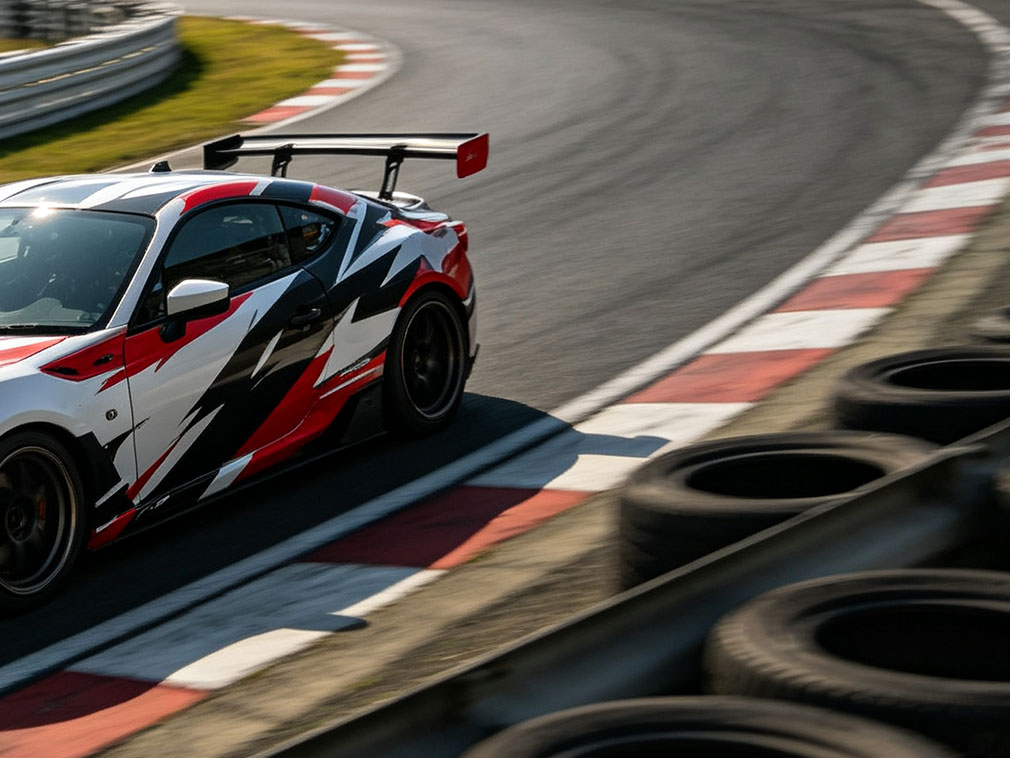
The replacement market is far larger than the OEM market. Brand recognition is a crucial factor influencing consumers' replacement tire purchase decisions. The high brand awareness of Michelin, Bridgestone, Continental, and Dunlop among Chinese consumers is directly related to their long-term involvement in various top-tier racing events. Repeated appearances in broadcasts, coupled with the technical endorsement derived from racing results, constitute a default advantage for these brands in consumer purchasing decisions. This conversion chain from racing to retail has been operating for decades by international tire companies.
The Scale and Brand Weaknesses of Chinese Tire Companies
According to data from multiple industry research institutions, China's tire production will account for approximately 39% to 40% of the global total in 2025. Shandong Province alone accounts for about 60% of the country's tire exports. In absolute terms, China is the world's largest tire producer.
However, in the domestic replacement tire market for vehicles priced above 200,000 yuan, Chinese brands have a very weak presence. When faced with international brands such as Michelin, Bridgestone, and Continental, consumers often do not consider domestic brands as their first choice.
This perception gap has several causes: the technical image that international brands have accumulated over the long term in top-level racing, decades of continuous brand communication investment, and deep original equipment partnerships with mainstream automakers all contribute to the foundation of consumer trust. While Chinese brands are price-competitive, in the high-end replacement market, price has a relatively limited impact on purchasing decisions.
Leading Chinese tire companies such as Sailun, Linglong, and Zhongce have continuously invested in overseas factory construction, new material research and development, and intelligent manufacturing in recent years, resulting in improved product competitiveness.
However, in terms of participation in top-level racing, Chinese brands have been virtually inactive. Chinese tire brands are conspicuously absent from GT racing, F1, and Le Mans. This absence extends beyond limited exposure; it deprives them of a channel to validate product performance under extreme conditions and instill confidence in their technology among consumers.
A Worthy Path: Bridgestone and Dunlop's involvement in SUPER GT demonstrates a mature business model: validating tire performance limits under extreme conditions through top-tier racing, translating technological accumulation into brand trust in the consumer market, and then converting that trust into actual sales through original equipment manufacturer (OEM) partnerships with automakers. These three interconnected links form the underlying structure that has enabled international tire giants to maintain their high-end market position.
The current predicament faced by Chinese tire companies is not primarily due to insufficient production capacity. Further expanding production without addressing brand recognition could intensify price competition in the low-end market.
The crucial element to fill is participation in top-tier racing and building consumer trust through product performance under extreme conditions. This path requires significant investment, has a long development cycle, and uncertain returns, but based on the experience of international brands, there is currently no more effective alternative.
During the final corner of the SUPER GT GT500 race car at Fuji Speedway, the tires experienced lateral acceleration exceeding 2G, and the tread temperature reached over 120 degrees Celsius. The tires' performance under these conditions is something that laboratory testing cannot fully simulate. This is the fundamental reason why racing technology validation is so persuasive to consumers.






