
Tire Raw Materials vs Weak Demand
Raw material divergence and weak demand: Where is the bottleneck for tire price increases?
Tire manufacturers are currently caught in a double bind – fluctuating upstream raw material prices and sluggish downstream demand. Factories have issued round after round of price increase notices, but channels are simply not responding. The three major raw materials are moving in opposite directions; where exactly is the cost transmission bottleneck? Let's break it down.
Natural Rubber: Bottoming Out, No Direction in the Short Term
On July 28th, the Shanghai rubber futures contract closed at 16,710 yuan/ton, unchanged from the previous day. In mid-June, it was around 17,565 yuan, a drop of nearly 800 yuan in less than a month, hitting a low of 16,420 yuan on June 29th. Currently, rubber prices are trading below short-term moving averages, fluctuating around 16,700 yuan, with significant selling pressure above.
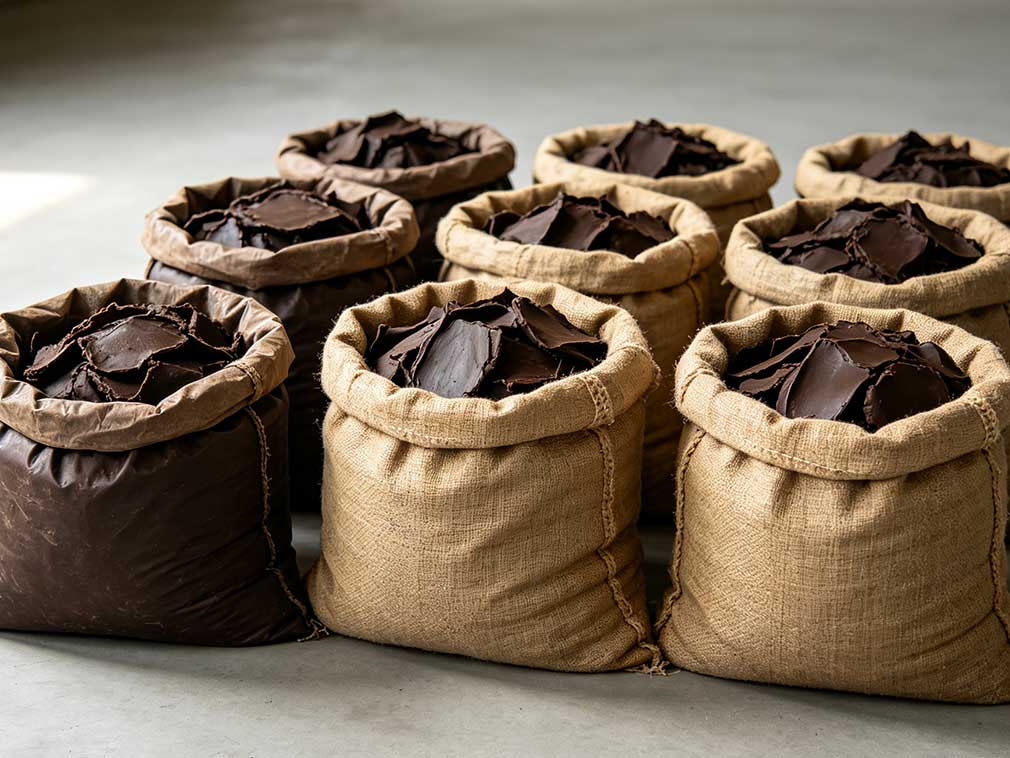
Southeast Asia is currently in its peak rubber tapping season, with raw material supplies from Thailand and Vietnam continuing to increase. Domestically, Yunnan and Hainan are also in their high-production period, resulting in a continued loose supply. Qingdao's rubber inventory is 668,100 tons, higher than the same period in the past five years. While tire factory operating rates have slightly rebounded month-on-month, they remain low year-on-year.
Finished products are piling up in warehouses, and raw material procurement is basically on a just-in-time basis, with no one actively stockpiling. Guodu Futures' view is straightforward—a short-term bearish bias. Currently, the only potential positive factor is El Niño, which might affect fourth-quarter production, but that's a matter for the distant future and won't materialize in the short term.
Steel: Calm and Unremarkable, Not a Cost Variable
Beijing HRB400E rebar (Φ18mm) was around 3030 yuan/ton in mid-July, and reported at 3070 yuan on July 28th, showing little fluctuation over the past year. Steel prices follow infrastructure and real estate trends; without demand from construction sites, steel prices can't rise. For tire manufacturers, steel costs are not a major concern; the real pressure lies with rubber and carbon black.
Carbon Black: A Surge That Failed to Hold
Carbon black experienced a rollercoaster ride in July. The reference price was 8280 yuan/ton on July 1st, rising to 8580 yuan/ton in mid-July, before quickly turning around and returning to 8260 yuan/ton on July 24th. Shanxi N220 prices fell from 8500 yuan/ton at the beginning of the month to 8000-8200 yuan/ton at the end, fluctuating within half a month.
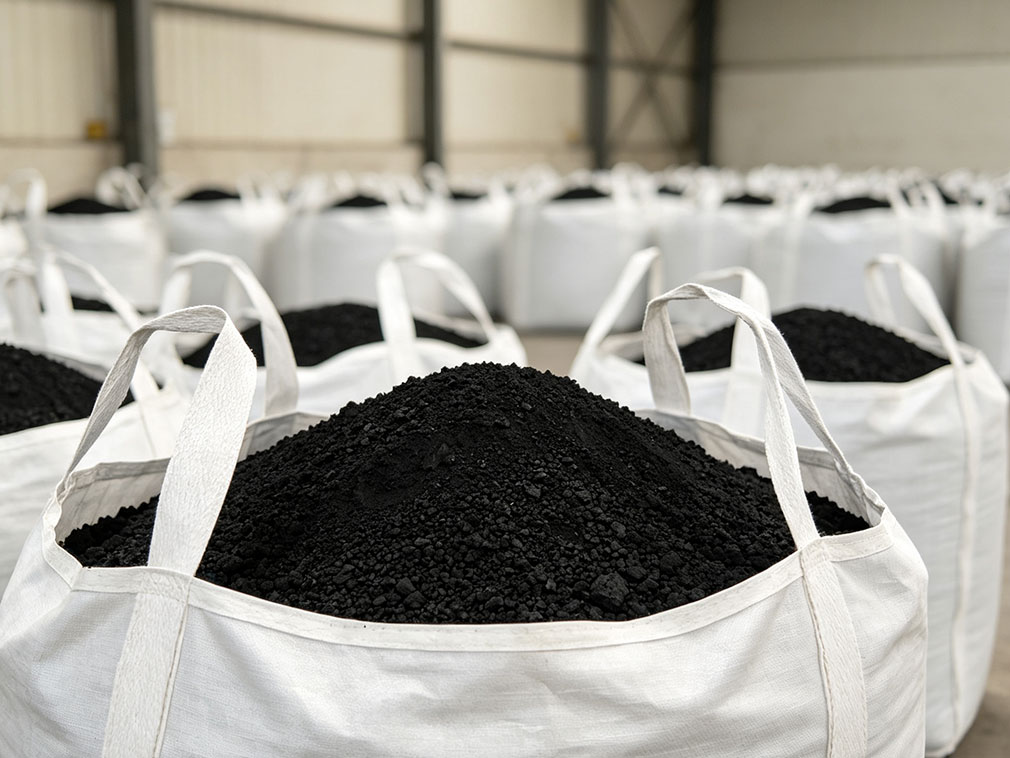
The rise in coal tar prices boosted carbon black prices, but tire manufacturers couldn't keep up with orders, and downstream buyers were unwilling to purchase due to high prices, making the high prices unsustainable. The correction provided some breathing room for tire manufacturers, but Longzhong Information mentioned that coal tar prices may continue to rise, and carbon black might experience another surge; caution is advised.
Tire Market: Price Increase Notice Issued, Prices Remain Unchanged
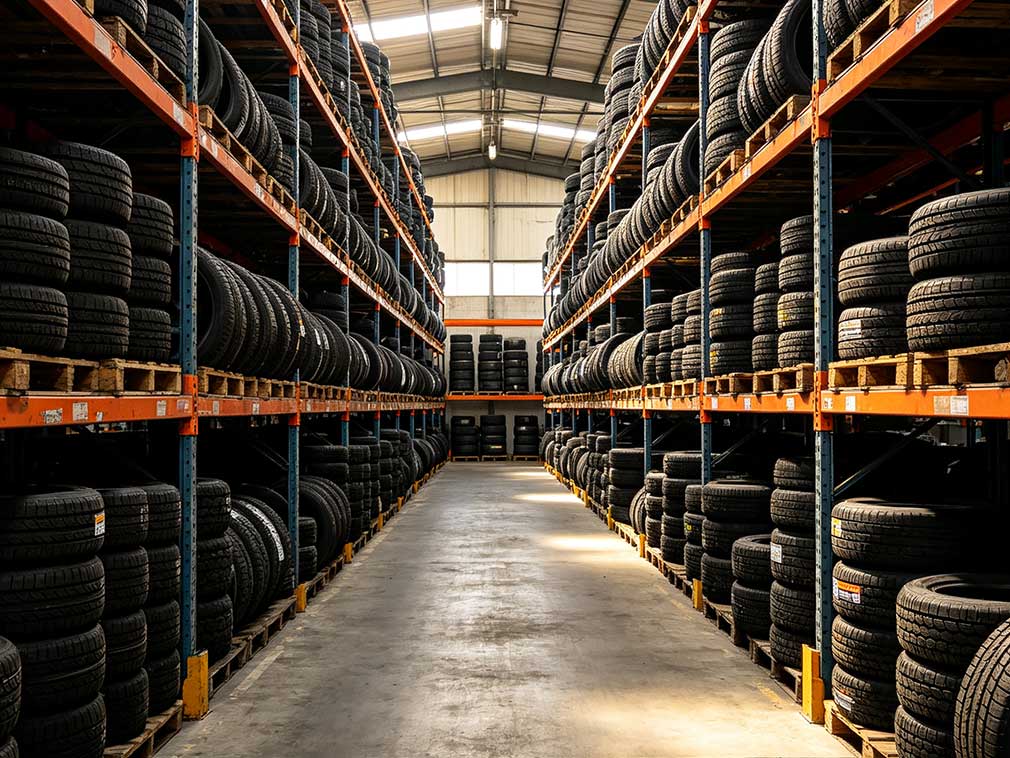
Uneven raw material demand kept the tire market weak. In July, the operating rate for semi-steel tires was 60%-63%, and for all-steel tires, it was 59%-65%, both declining year-on-year. Inventory turnover days were 45-52 days for semi-steel tires and 40-48 days for all-steel tires, putting immense pressure on manufacturers. Profits are even worse – the theoretical profit margin for semi-steel tires has turned negative, and all-steel tires are losing more than 1 yuan per kilogram, meaning every tire sold incurs a loss.
Factory price increase notices have been issued round after round, while retailers continue their promotions and inventory clearance efforts. It's a well-known industry tactic: price increase notices are issued, rebates are still given, but actual transaction prices remain unchanged. Factories want to pass on costs, but distributors dare not raise prices, resulting in a stalemate between upstream and downstream; whoever moves first loses.
Market Outlook: Lack of a Basis for Price Increases, Focus on Two Variables
In the short term, rubber prices have bottomed out, carbon black prices have fallen, and steel prices are stable. Overall costs lack the momentum for sustained increases, making large-scale tire price increases unsustainable. Two things to watch: whether there will be any changes in the weather in the main rubber-producing areas, and whether downstream replacement market and export demand can recover.
If raw material prices rise but demand doesn't follow, prices won't rise; both must occur simultaneously for price increases to be sustainable. At this stage, avoid impulsive stockpiling; closely monitoring raw material trends and actual end-user sales volume is more practical than anything else.






