
Raw Material Crisis Hits Tire Industry
In the first half of 2026, over 80 domestic tire companies issued price increase notices, with increases across all categories, including all-steel tires, semi-steel tires, and engineering tires, ranging from 2% to 5%. Some companies adjusted prices two to three times consecutively.
International brands such as Michelin, Bridgestone, and Continental simultaneously raised prices, while leading domestic companies like Sailun Tire, Linglong Tire, and Zhongce Rubber followed suit, creating a rare situation of simultaneous price increases from both domestic and foreign companies, covering all product categories. Zhou Lingkun, president of Linglong Tire, pointed out that the core reason for this round of price adjustments was the "passive transmission of cost pressures from multiple aspects."
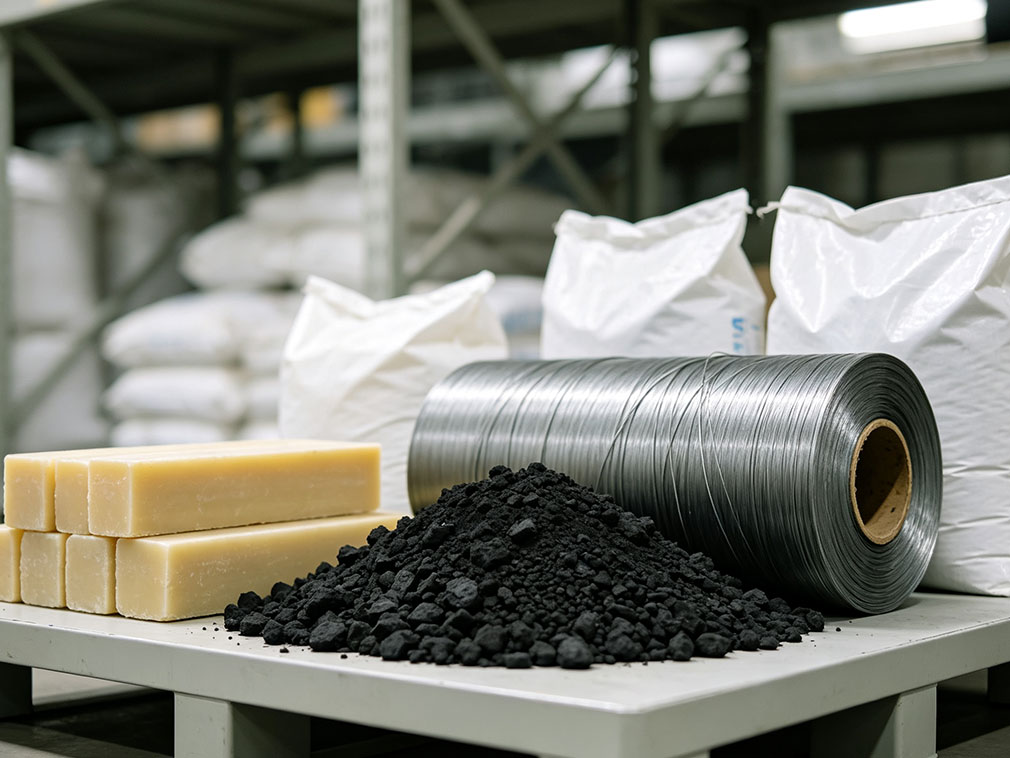
Cost Structure: Three Major Raw Materials Account for Over 70%
According to data from Longzhong Information and the Securities Daily, raw materials account for over 70% of the production cost of all-steel tires.
Natural rubber accounts for approximately 30% of the cost. According to monitoring by the State Farms Bureau of the Ministry of Agriculture and Rural Affairs, in June 2026, the average monthly price of domestically produced full-latex standard rubber was 17,506 yuan/ton, and the average monthly price of Thai smoked sheet rubber was 2,989 US dollars/ton.
According to ANRPC data, global natural rubber production is projected to reach approximately 15.32 million tons in 2026, while demand is estimated at 15.6 million tons, resulting in a supply-demand gap of about 400,000 tons. The market is shifting from a "temporary surplus" to a "structural shortage."
Synthetic rubber accounts for 25% to 30% of costs. The Middle East conflict has driven up international oil prices, leading to a significant increase in the price of butadiene, a key raw material. According to data from Business Society, as of March 24th, butadiene prices had risen by 67.78% compared to the beginning of the month. Linglong Tire disclosed that compared to February 28th, butadiene rubber prices had increased by 28.6%, butyl rubber by 91.8%, accelerators by 55.6%, and antioxidants by 41.1%.
Carbon black accounts for approximately 15% of costs. Cabot China adjusted its prices for the second time this year in March, raising them by RMB 1,800/ton; the mainstream price for N660 grade rubber increased by approximately RMB 2,000/ton compared to the beginning of the year. This was mainly due to a cumulative increase of RMB 550 to 660/ton in coal tar, coupled with environmental protection-related production restrictions leading to a contraction of approximately 15% in industry capacity.
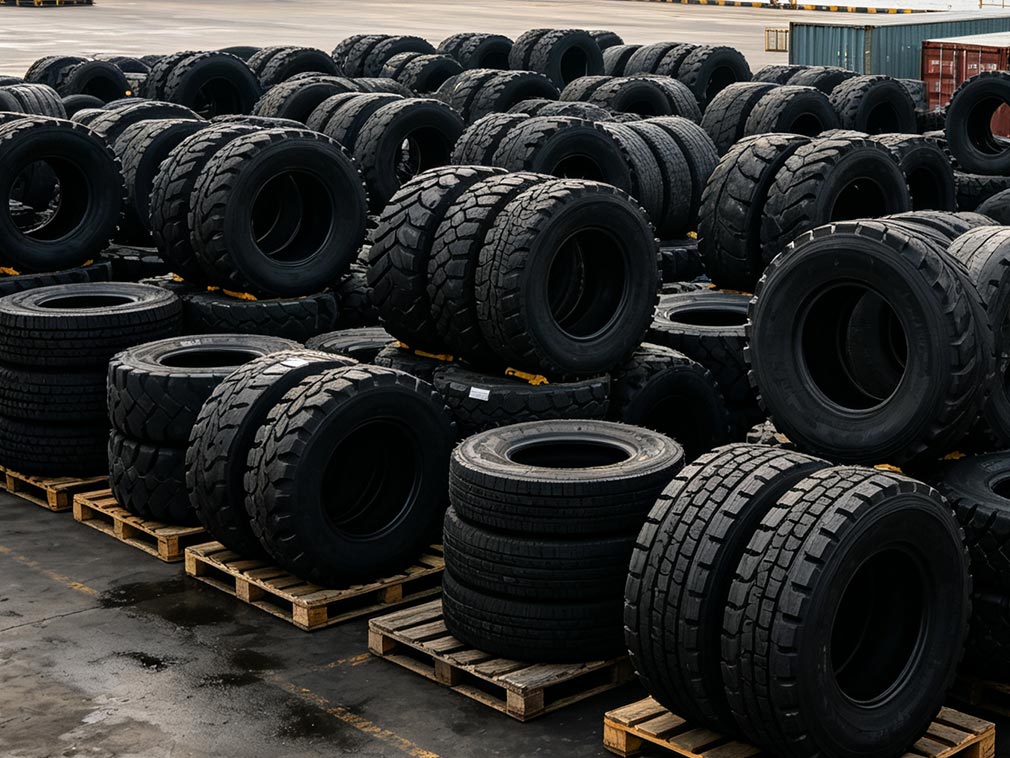
Supply Structure of Four Major Raw Materials
Regarding natural rubber, Thailand, Indonesia, and Vietnam collectively produce nearly 70% of the global market. Hainan Rubber, through its controlling stake in Hopson Agriculture, has become the world's largest multinational natural rubber company, processing approximately 10% of the global market annually. Yunnan State Farms owns 596,200 mu of rubber plantations with an annual production capacity exceeding 500,000 tons.
In June 2026, Yunnan's first high-performance rubber production line with an annual capacity of 6,000 tons will begin construction; its aerospace-grade products have already been used in the test flights of tires for domestically produced large aircraft, but high-end rubber varieties still partially rely on imports.
Regarding synthetic rubber, Lanzhou Petrochemical's nitrile butadiene rubber (NBR) has an annual production capacity of 100,000 tons, ranking first in Asia and second globally, with a domestic market share exceeding 40%.
It exported to Europe for the first time in September 2025. In July 2026, its 2,000-ton/year specialty NBR unit went into operation, capable of withstanding temperatures from -40℃ to 150℃. Germany's Lanxess and Japan's Asahi Kasei still hold advantages in some specialty rubber sectors, but domestic substitution is accelerating.
In the carbon black sector, Heimao Group has an annual production capacity of 1.162 million tons, ranking first in China and among the top four globally, with customers including international giants like Michelin; Longxing Technology has a capacity of 645,000 tons/year. High-end categories such as low rolling resistance carbon black are still dominated by Cabot Corporation of the US and Orion of Germany.
In the steel cord sector, Jiangsu Xingda (HK:01899), Shandong Daye (603278), and Fuxing Technology (000926) are the leading domestic companies, while Bekaert of Belgium has a significant advantage in the high-end OEM market.
Energy Logistics and Price Increase Logic: The Middle East conflict has pushed Brent crude oil prices above $93/barrel, directly increasing the cost of oil-based raw materials such as synthetic rubber and carbon black, and also increasing energy expenditures for tire production. International shipping costs have increased by 15% to 20% year-on-year, and Middle East tire export orders are expected to decline by 20% to 30%.
Coupled with the EU's anti-dumping and countervailing duty investigations on Chinese tires, the overall cost of all-steel tires has increased by 6% to 8% since the beginning of the year, and semi-steel tires by 4% to 6% (according to Securities Times). The price increases are not a proactive measure by companies, but rather a passive transmission of cost-driven factors. Leading companies, leveraging their brand and scale advantages, have largely implemented price increases, while small and medium-sized enterprises face the dilemma of "apparent price increases but actual price reductions."
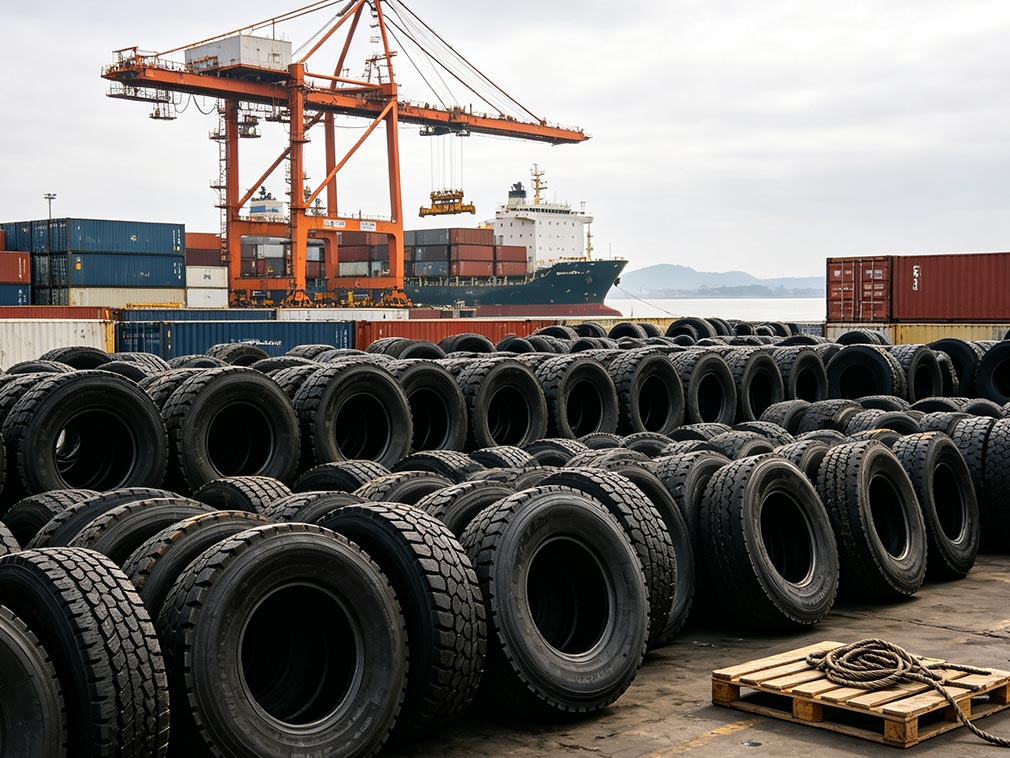
Looking ahead to the second half of the year, if oil prices remain high and El Niño continues to disrupt production in Southeast Asia, raw material costs still face upward risks. Linglong Tire has indicated that further price adjustments are not ruled out.
The industry is coping with pressure through long-term price agreements, futures hedging, and upgrading its product structure towards mid-to-high-end products. This crisis is accelerating the reshuffling of the tire industry; the trend of eliminating outdated capacity and increasing concentration is already established, and 2026 will be a crucial year for reshaping the global tire industry chain.
Disclaimer: This article is for industry reference only and does not constitute investment advice.






