
EU Carbon Tax Reshapes Auto Industry
The claim that "new energy vehicles only sell well in China" is no longer supported by data from the European market.
The European Automobile Manufacturers Association (ACEA) released a six-month report on July 23rd, and the figures speak volumes: In the first six months of 2026, the market share of battery electric vehicles (BEVs) in the EU climbed to 20.7%, compared to only 15.6% in the same period last year. Hybrids fared even better, capturing 37.3% of the market.
In contrast, gasoline and diesel vehicles combined accounted for only 29.7%, compared to 37.8% a year ago. Nearly 5.9 million new cars were sold in Europe in the first half of the year, a year-on-year increase of 5.7%, with electric and hybrid vehicles largely accounting for the growth.
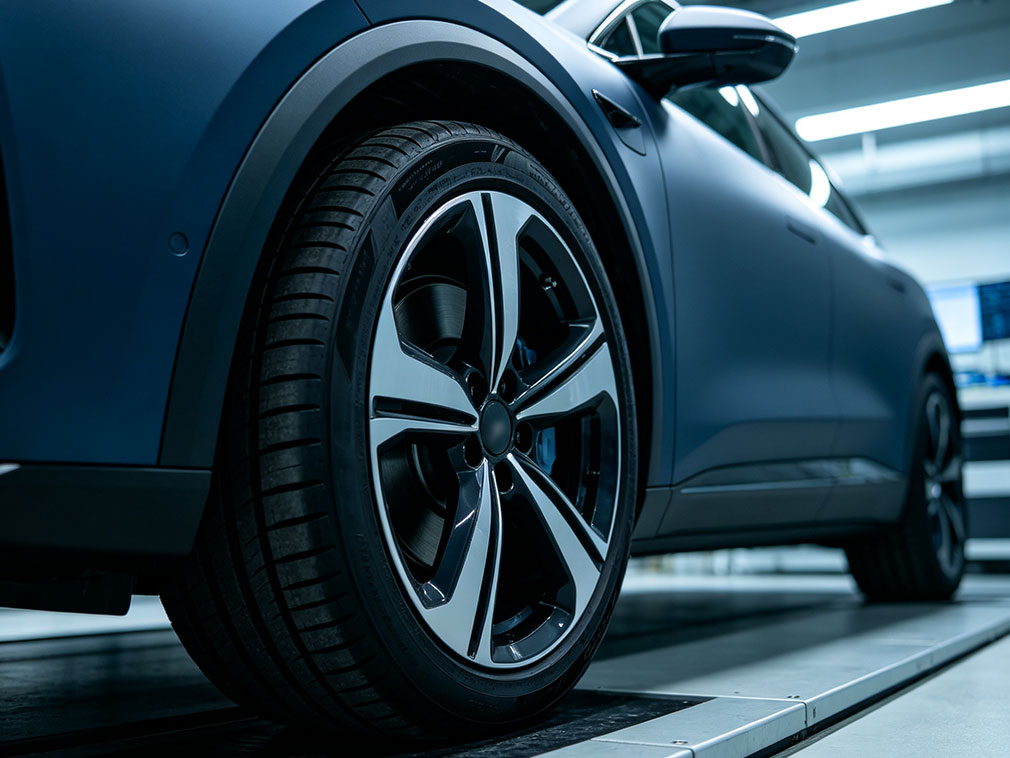
In short: gasoline vehicles in Europe are losing ground at a rate of eight percentage points per year.
Carbon Tax Forces Change: Factory Closures Are Not an Option The root of the change lies in policy, and it's becoming increasingly stringent.
On January 1, 2026, the EU Carbon Border Adjustment Mechanism (CBAM, commonly known in the industry as the "carbon tariff") will officially come into effect. Importers selling six major categories of goods—steel, aluminum, cement, fertilizer, electricity, and hydrogen—will have to pay extra for "carbon certificates," with prices following the EU ETS (EU Carbon Trading System). And that's not all—the European Commission has drafted a proposal to expand regulations to approximately 180 steel and aluminum-intensive downstream products starting in 2028, with automotive parts prominently listed.
Stellantis, the world's fourth-largest automaker, has clearly felt the pressure. On July 16th, it gave a clear deadline: its engine plant in Douvrin, northern France, will cease production on October 30th.
Douvrin is no ordinary factory. It began production in 1969, manufacturing over 40 million engines for Peugeot, Citroën, Renault, and Volvo, leaving its mark on over half a century of European automotive history. While the closure wasn't sudden—the decision had been made over a year prior—the fact that it was officially finalized is still seen by the industry as a signal: the era of traditional powertrains is coming to an end in Europe. Over the past year, Stellantis has helped 337 employees find new jobs, some at the neighboring ACC battery gigafactory. By July, fewer than 50 full-time employees were waiting for placement at the plant.
Dulfranc is not an isolated case
The Poissy plant in the western suburbs of Paris took a different path—a less drastic closure, but in the same direction. In April of this year, Stellantis announced that Poissy's vehicle assembly operations would continue until the end of 2028 at the latest, after which it would invest approximately €100 million to convert it into a parts manufacturing, 3D printing, and vehicle recycling center. This plant is currently still producing the DS3 and Opel Mokka, but this year's expected output is only 68,000 vehicles, a significant reduction compared to the 145,800 expected in 2023.
Dulfranc closed directly, while Poissy underwent a gradual transformation. Two factories, one answer: gasoline-powered vehicle production lines are disappearing from the map of Europe one by one.
Seeking Help: Two Chinese Partnerships in Two Weeks Simply closing factories won't save the future; they need help to expand their new energy vehicle production lines.
Stellantis is moving faster than anyone else. On May 8th, it and Leapmotor announced a further step in their cooperation. At the Figueruelas plant in Zaragoza, Spain, Leapmotor's B10 model is expected to roll off the production line within 10 years.
They also plan to produce an Opel C-class pure electric SUV, aiming for a 2028 launch. The Villaverde plant in Madrid is also busy, also receiving new Leapmotor models. Ownership of the plant is planned to be transferred to Leapmotor International's Spanish subsidiary, which will then be responsible for the European and Middle Eastern/African markets.
This isn't the end of it. Twelve days later, on May 20th, Stellantis signed a memorandum of understanding with Dongfeng Motor: the two companies will produce Dongfeng's high-end new energy brand Voyah at the Rennes plant in France. Stellantis will hold 51% of the joint venture, and Dongfeng will hold 49%, with sales, procurement, and engineering R&D all bundled together. Within two weeks, Leapmotor and Voyah secured two collaborations. Stellantis' strategy is clear: speed, affordability, and partnerships with Chinese players possessing mass production experience.
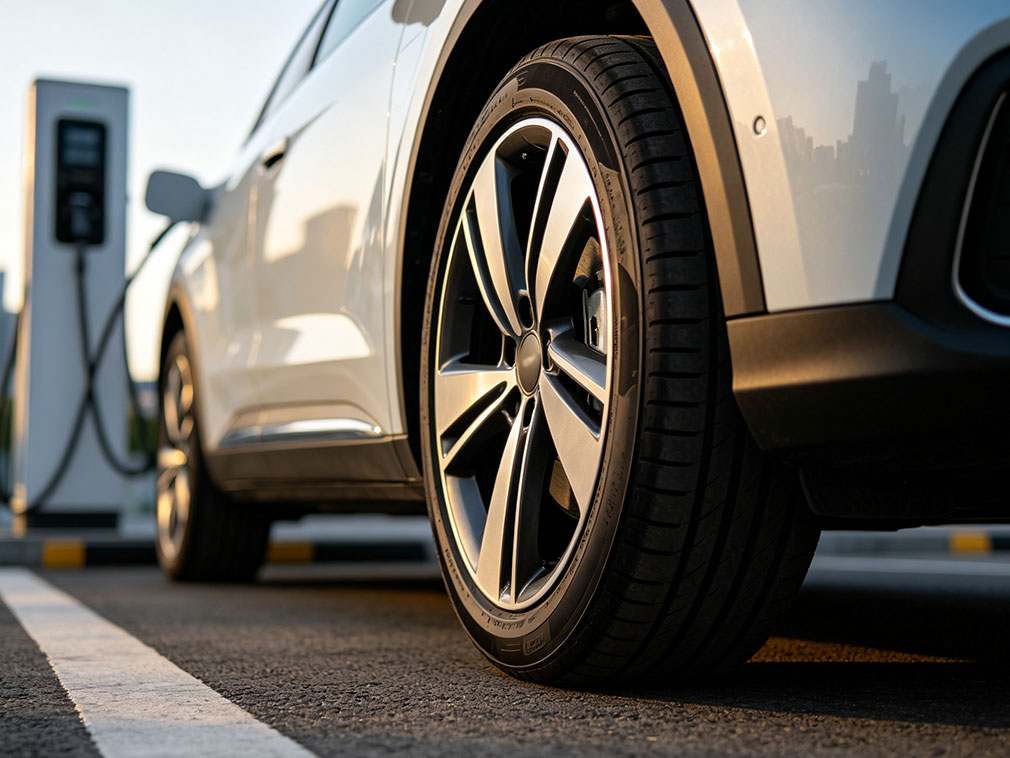
Tires also need changing. With the increase in new energy vehicles, the tires on the ground are changing accordingly.
The reason is simple: electric vehicles are heavier than gasoline vehicles, have higher starting torque, and are quieter. These three characteristics combined mean that traditional tire compounds and structures are insufficient—load capacity, wear resistance, rolling resistance, and noise reduction all need to be upgraded.
Currently, leading tire manufacturers are simultaneously modifying compounds and structures, and adding a layer of polyurethane sound-dampening cotton to the inner wall of the tire to suppress cavity noise. This approach has become the industry standard.
Conclusion. Looking at ACEA's data and Stellantis' pace of factory closures and production shifts together, a clear trend emerges: the electrification of the European automotive market is no longer driven by subsidies; market forces and regulations are driving it simultaneously.
The CBAM (Consumer-Based Automotive Association) network is tightening, high-carbon production lines will be phased out layer by layer, while new energy production lines will be built up layer by layer. For people in the automotive and parts industry, there is no "do it or not" option—it's just a matter of "how fast to do it."






