
Rising Costs Crush Domestic Tire Profits
With only a few days left in July, tire factory owners are already doing the math—and it's a loss no matter how they calculate it.
Data from Longzhong Information is stark: 71% of semi-steel tire factories saw a month-on-month decrease in orders in July, and the same is true for 68% of all-steel tire factories. Exports are also struggling, with 67% of semi-steel tire factories and 64% of all-steel tire factories experiencing a reduction in export orders. The EU's anti-dumping measures have intensified, and the Middle East is unstable, closing doors to traditional major markets one by one, leaving only Africa to pick up some scraps.
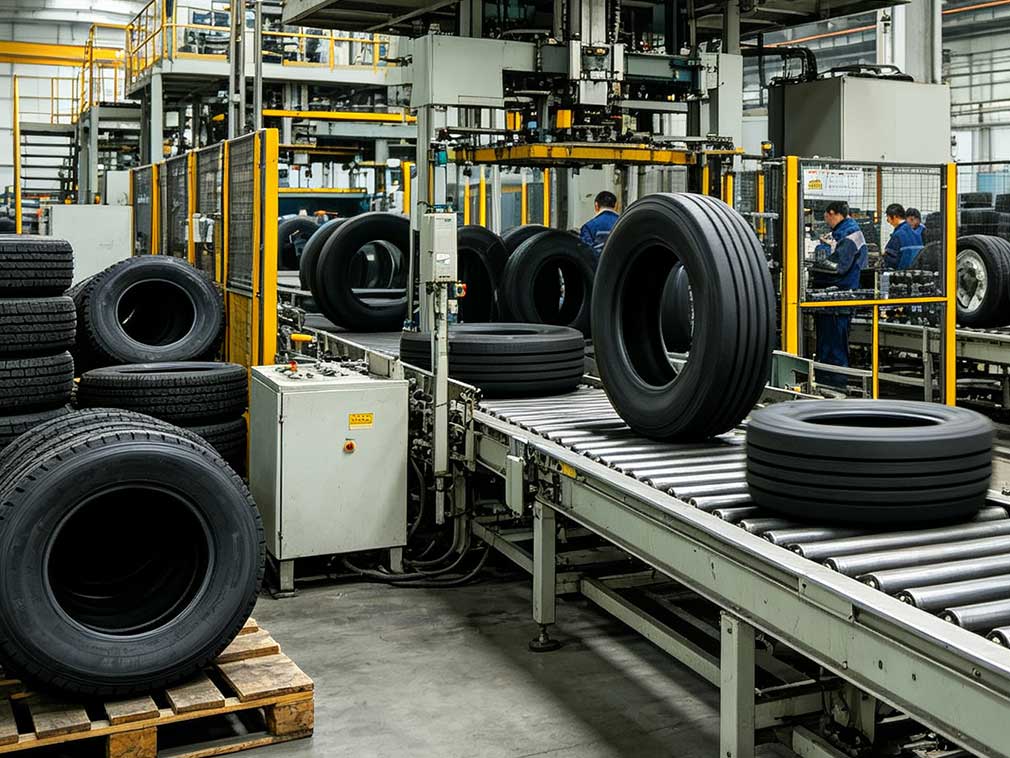
As for operating rates, the concentrated maintenance shutdowns caused a significant drop. In the second week, the capacity utilization rate for all-steel tires fell to 60.56%, and for semi-steel tires to 60.62%, a month-on-month decrease of 3.16 and 4.82 percentage points respectively. But don't jump to conclusions—once the maintenance production lines resumed operation, the all-steel tire capacity utilization rate immediately rebounded to 62.65% in the third week, an increase of 2.09 percentage points.
Inventory levels aren't as alarming as rumored. Semi-steel tires have a turnover of just over 45 days, and all-steel tires less than 40 days, with week-on-week growth continuing to decline, far from any "historical high."
The real problem is profit. The theoretical profit for all-steel tires has plummeted to -1.23 yuan/kg, meaning every tire produced results in a loss—this is the current bottom for the industry. In the first half of the year, 660,000 heavy trucks were sold, a 22% year-on-year increase, a five-year high—sounds good, right? But OEMs are uncompromising in their purchasing decisions, squeezing prices to the bone. Tire manufacturers are scrambling for original equipment orders like fighting over a cup of poison: winning the bid means financial loss, losing it means death. The replacement market is even worse.
Freight rates are at rock bottom, and drivers will avoid changing tires if they can drive an extra 10,000 kilometers. There's an even deeper change in the semi-steel tire market: with the increasing number of new energy vehicles, which are 30% to 50% heavier, the original equipment tires are actually more wear-resistant. While tires seem to wear out faster, the actual tire replacement cycle is lengthened. This logic is the exact opposite of what many people imagine. The situation isn't simply a matter of weathering the off-season and expecting a recovery—it's structural, and there's no going back.
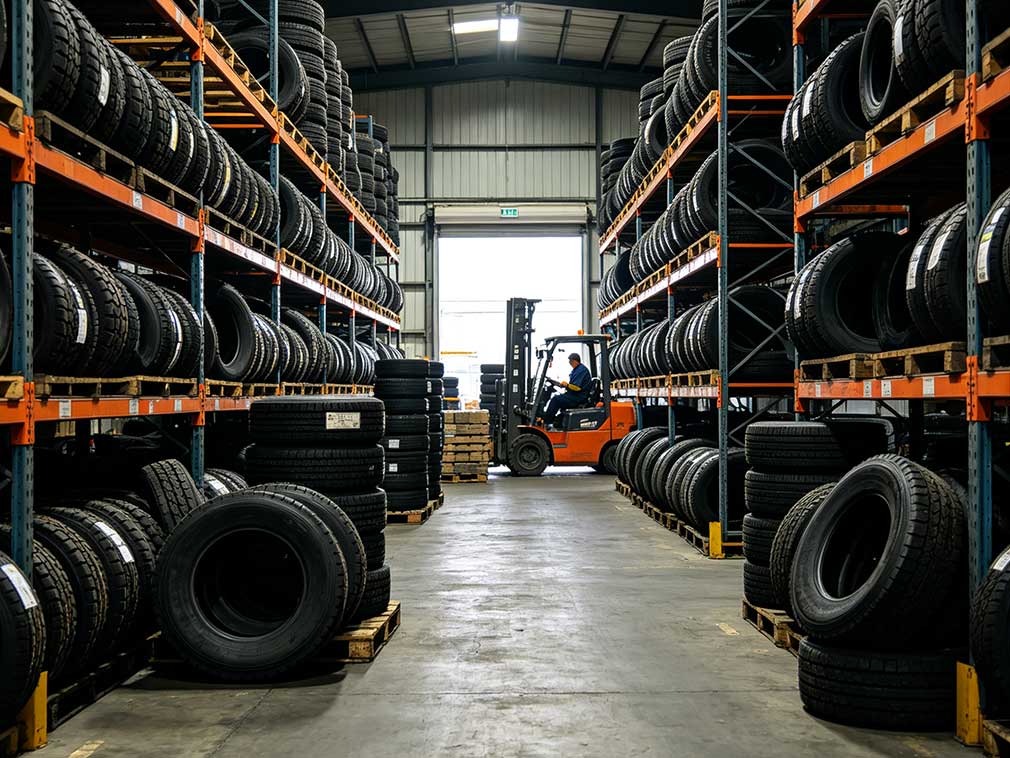
The price increases are more like the most convoluted drama of the year. Since March, over 80 companies have issued price increase notices, with natural rubber rising by 13%, synthetic rubber by 28%, and carbon black by 21%. Without price increases, they simply couldn't hold on. But what happened after they did? The distribution channels didn't respond at all. Manufacturers had to simultaneously issue price increase notices to reassure distributors and secretly offer rebates to secure orders.
After all this fuss, the ex-factory price of all-steel tires has returned to pre-March levels. The companies themselves have filled the hole created by the cost increases. It's a wasted effort. This is probably the most frustrating way to pass on costs.
The production capacity issue is even more critical. In Shandong province alone, there were over 20 tire technology upgrade projects in February, with investments exceeding 10 billion yuan. Overseas, over 20 new projects have been launched in the past six months, with a planned capacity of 220 million tires. The operating rate is only 60%, inventory has been piling up for over 40 days, and new capacity is still being dumped.
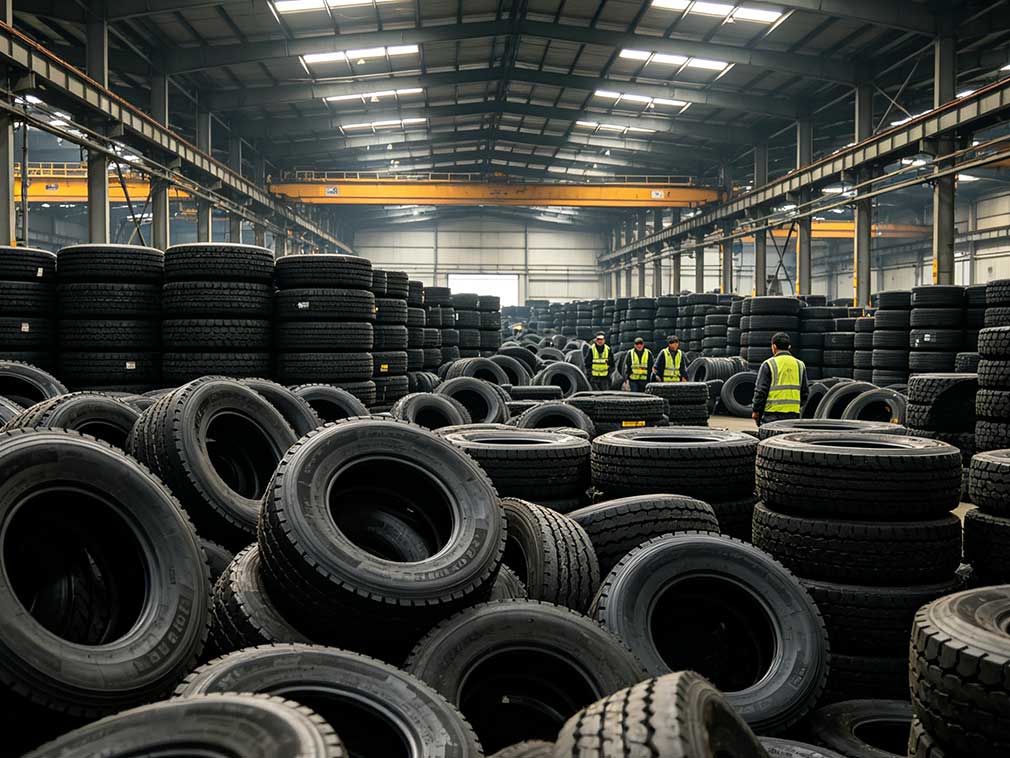
A visit to a factory in Shandong reveals the truth: warehouses are piled high with tires from floor to ceiling, suffocatingly packed with locked-up cash. Companies are barely surviving by "trading price for volume," and small and medium-sized factories are closing down at an accelerated pace. The combined pressure of EU-repatriated production capacity and newly added domestic production lines is creating a double bind.
The path forward for this industry is clear: relying on expanding capacity and engaging in price wars is no longer viable. Either move towards technologically advanced categories like new energy vehicle tires and aviation tires, or face being weeded out. There is no third way. In the tire industry, it used to be about who was boldest and expanded fastest, now it's reversed—only those with strong technology and meticulous management will survive the next cycle.






