
Michelin H1 Growth Amid Headwinds
On July 27, Michelin Group released its 2026 first-half results. Against the backdrop of global currency fluctuations and a continued sluggish original equipment market, the Group's sales reached €12.687 billion (approximately RMB 97.643 billion), a year-on-year decrease of 2.6%; however, at constant exchange rates, it increased by 0.5%.

Operating profit was €1.446 billion, with an operating margin of 11.4%, higher than 11.1% in the same period last year. Net profit was €766 million, a year-on-year decrease of 8.8%. Free cash flow prior to acquisitions turned from -€102 million in the same period last year to +€282 million. The Group maintained its full-year guidance unchanged.
The double drag of exchange rates and sales volume: In the first half of the year, declining tire sales impacted revenue by 0.9%, while adverse exchange rate effects reached 3.1%. Product mix optimization and increased sales of the Michelin brand in the replacement market (replacement market sales increased by 5%) created a 0.9% positive price mix effect, partially offsetting the aforementioned pressures. The acquisitions of Cooley Group, Flexibletallic, and Tex Tech were completed during the same period, also contributing to the consolidated financial statements.
Passenger Car and Two-Wheeled Vehicle Tires: Replacement Market Drives Growth
This business segment generated €6.926 billion in revenue in the first half of the year, a 2.6% decrease year-on-year, but a 0.7% increase at constant exchange rates; operating profit margin was 12.5%, a 0.4 percentage point increase from 12.2% in the same period last year.
The strong performance of the replacement market offset the decline in the original equipment market. Michelin outperformed the industry average in most regions, with significant growth in Europe and China, particularly in the Chinese passenger car replacement market, which grew by 9%.
In the original equipment market, affected by the reduction in new vehicle purchase subsidies in China, the Chinese passenger car original equipment market declined by 7%, but Michelin maintained its market share advantage in electric vehicle tires. New products such as the Primacy 5 Energy gained market recognition, and sales of 18-inch and larger tires saw significant growth. Two-wheeled vehicle tires performed well in the motorcycle and high-end scooter sectors in North America, Europe, and China.
Truck and Bus Tires: Original Equipment Pressure in the Americas, Improvement in Europe
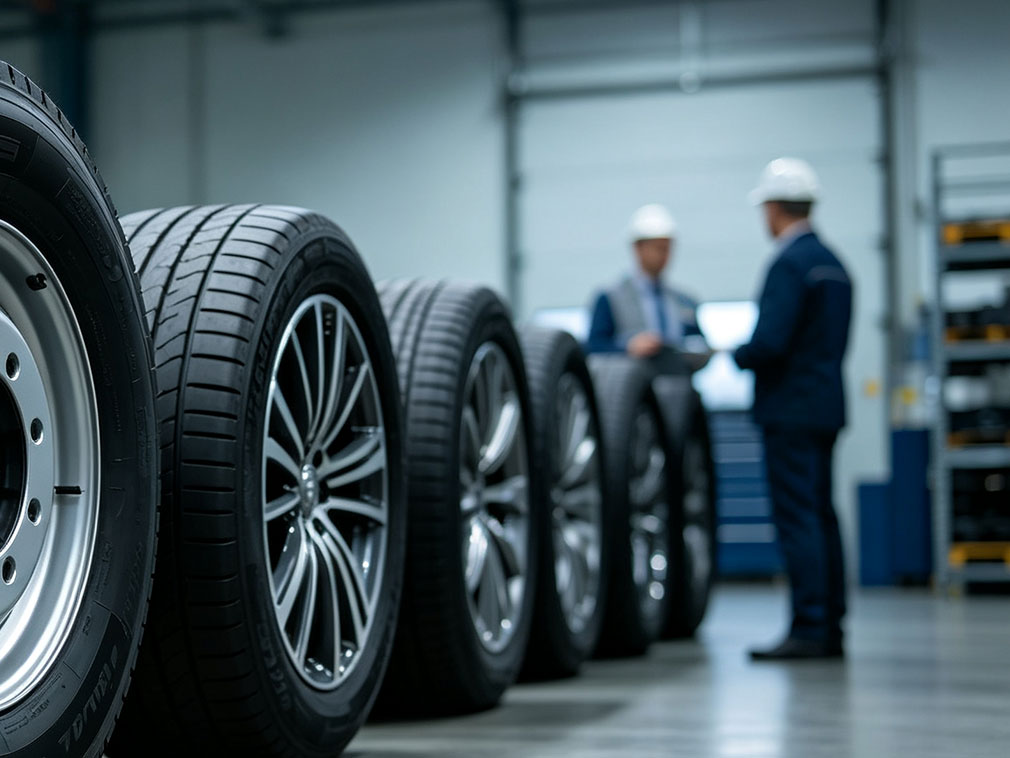
This business segment generated €2.813 billion in revenue in the first half of the year, a 6.4% decrease year-on-year, with original equipment sales declining by 2.6%. Demand for truck and bus tires remained weak in North and South America, while the European market showed improvement – original equipment and replacement business grew by 4% and 9% year-on-year, respectively, with multi-brand sales strategies and fleet services gradually taking effect.
Operating profit margin was 5.9%, up 0.3 percentage points from 5.5% in the same period last year. AI-based connected solutions and predictive maintenance services saw significant growth in South America (especially Brazil), driving a 32% increase in the region's truck and bus tire replacement market.
Specialty Tires: Mining and Aviation Drive Growth, Agricultural Machinery Remains Sluggish
The specialty tire segment's profit margin was 14.1%, continuing to exceed the group's overall level. Revenue was €2.22 billion, down 2.2% year-on-year (up 1.1% at constant exchange rates).
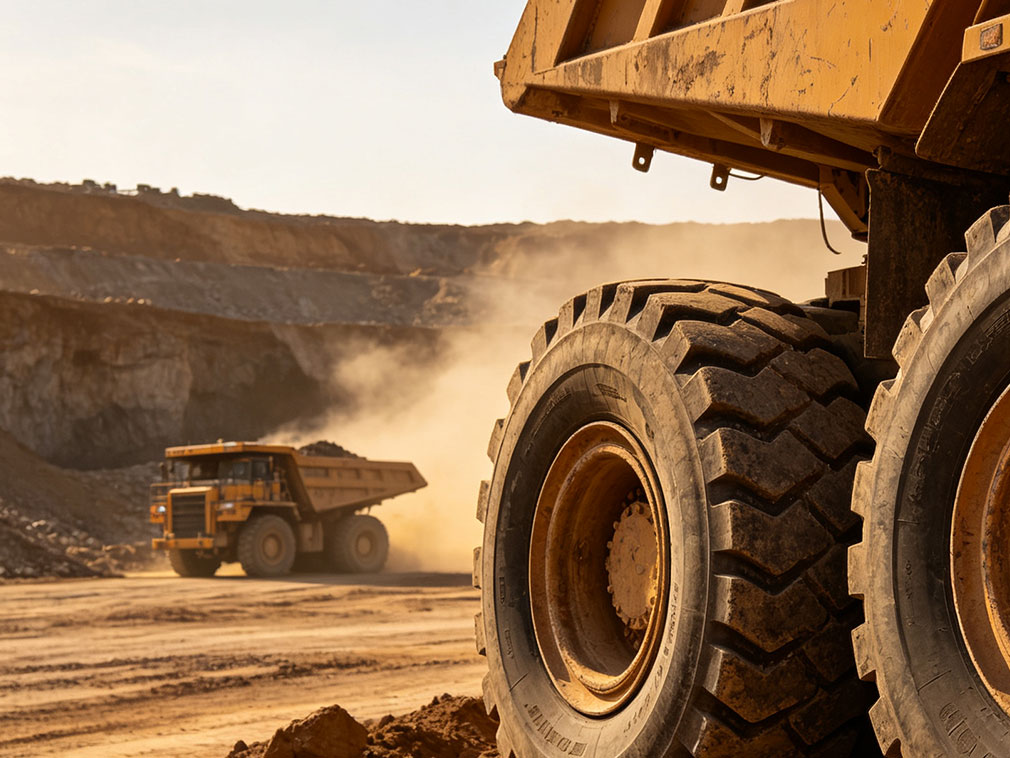
Mining tires performed strongly, with active mining activities in South America, Africa, India, and the Middle East driving demand for large tires; the aviation tire business saw steady growth driven by growth in the Indian and Asian aviation industries, increased demand for military aircraft tires, and a new partnership with Dassault Aviation (Michelin Air X Sky Light is used on the Falcon 10X).
The agricultural tire original equipment market remained at a near-decade low, with demand yet to recover. Sales of off-highway construction tires strengthened, with Michelin's X-crane 2 tire gaining recognition in the crane market and the XHA3 series in loaders and construction equipment. Material handling tires gradually recovered due to improved OEM supply in Europe.
Non-Tire Businesses: Acquisitions Drive Growth
Polymer Composite Solutions (PCS) revenue reached €728 million in the first half of the year, a year-on-year increase of approximately 14%, primarily driven by acquisitions, with an operating margin of 13.6%. Seals, coated fabrics, and belts all achieved growth, while the conveyor belt business declined due to slowing demand from Australian mines. The acquisitions of Cooley Group, Flexitallic, and Tex Tech were completed during the period, continuing the expansion of non-tire business footprint.
Despite continued economic and geopolitical uncertainties, Michelin maintained its full-year guidance for 2026: operating profit at constant exchange rates and on a 2025 basis is expected to increase compared to 2025, with pre-acquisition free cash flow exceeding €1.6 billion. The company expects year-on-year changes in the passenger car and light truck tire market and the truck and bus tire market to be -2% to 1% and -1% to 2% respectively, with specialty tire sales growth at an upper limit of approximately 3%.






