
Tire Magic Triangle Balancing Three Tradeoffs
When buying tires, most people only consider two things: price and lifespan.
But tire engineers face an equation that, despite over thirty years of work, hasn't been fully solved.
Three Sides, Interacting with Each Other
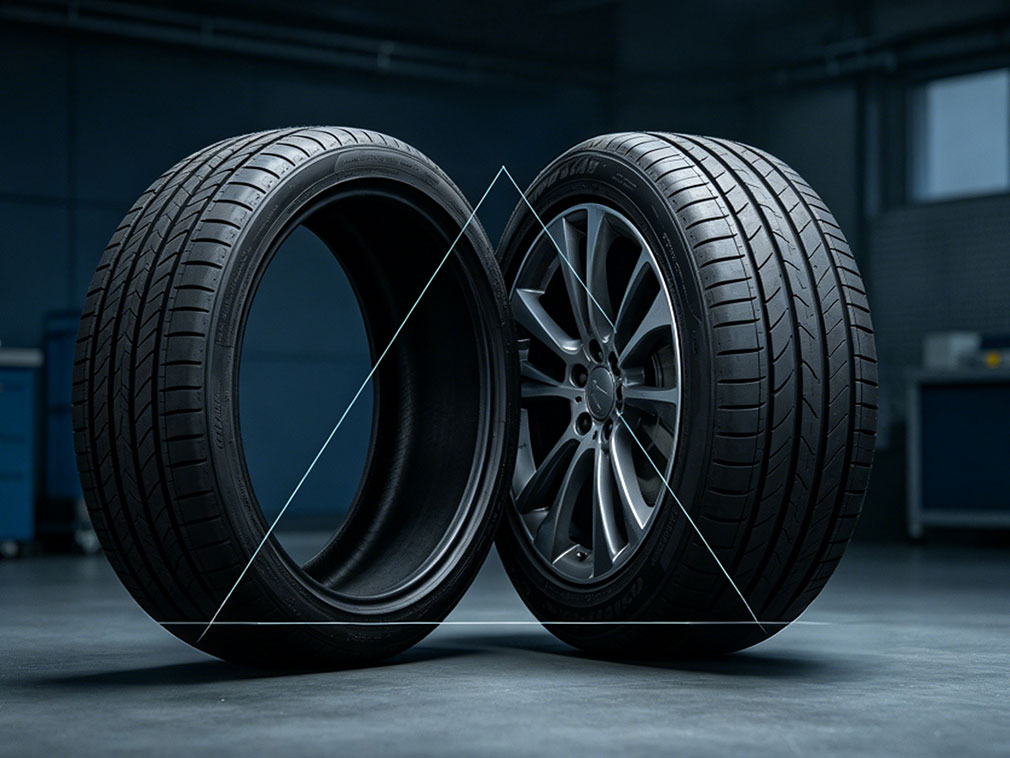
There's a saying in the industry called the "Devil's Triangle." The three corners are: rolling resistance, wear resistance, and wet grip.
Each of these three things is relatively easy to improve. The difficulty lies in their interplay.
Want shorter wet braking distance? No problem, make the tread softer. Softer rubber "bites" better into slippery surfaces. But softer rubber wears out faster—tire lifespan drops dramatically.
Want fuel efficiency? Lower rolling resistance. Low rolling resistance means less energy is consumed during tire deformation, reducing engine workload. But low rolling resistance often means a harder tread, increasing wet braking distance—compromising safety.
Want tires with longer wear resistance? Easy, make the compound harder. However, a stiffer tire results in decreased comfort, increased road noise, and potentially reduced wet grip.
Simply put: moving one corner inevitably affects the other two, often in unwanted directions.
This is the origin of the "Devil's Triangle." It's not a physical law, but rather a wall tire compound engineers have been hitting every day for decades.
In 1992, Michelin broke through
At the 1992 Paris Motor Show, Michelin did something revolutionary: they partially replaced carbon black with silica (white carbon black) and incorporated it into the tire tread compound.
This tire, named MXN (N for Nature), is the ancestor of all later "green tires."
The effect was revolutionary at the time: rolling resistance decreased significantly (meaning better fuel economy), wet grip improved, and wear resistance was barely sacrificed.
In other words, Michelin slightly widened the "Devil's Triangle" framework—improving two performance dimensions simultaneously without compromising other aspects.
In 1994, Michelin officially launched its first green tire series—MICHELIN Energy. According to their own statistics, from then until 2009, over 570 million green tires sold globally saved approximately 11 billion liters of fuel.
But don't get too excited. Silica brought new problems.
Silica's "Sweet Troubles"
Tire rolling resistance mainly comes from a physical process—hysteresis loss. Simply put, rubber is constantly compressed and rebounded during rolling, and each deformation consumes energy as heat. This wasted energy is rolling resistance.
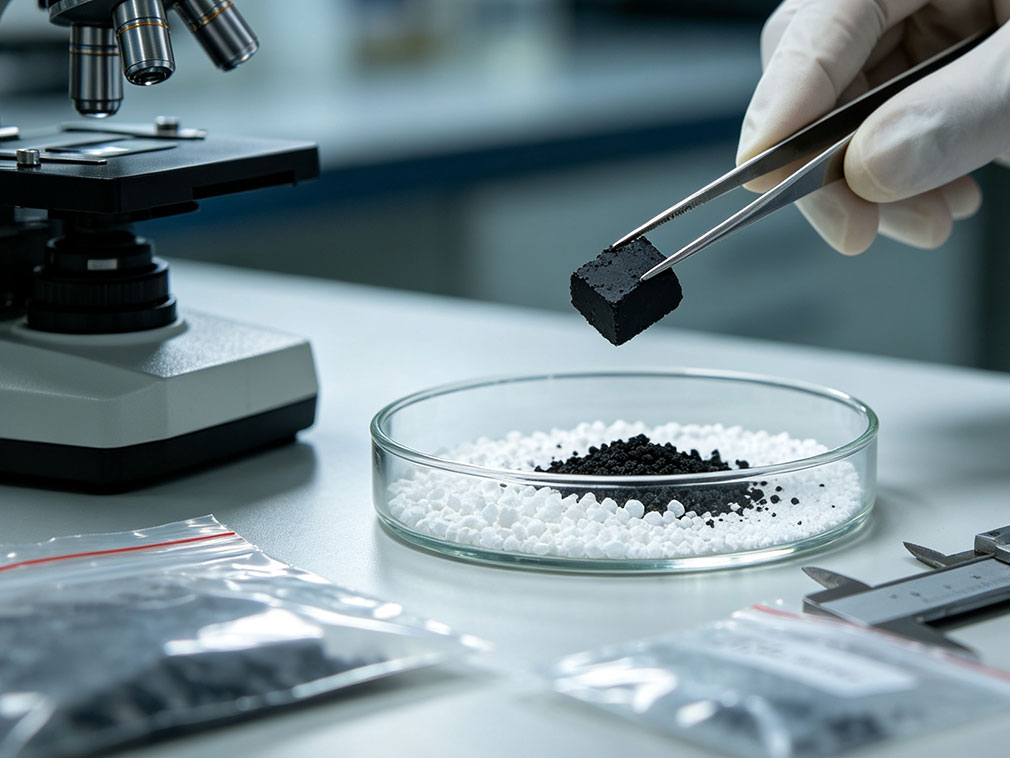
Silica reduces rolling resistance by working with silane coupling agents to build a "chemical bridge" between rubber molecules and filler particles. This bridge significantly reduces energy loss.
But silica isn't something you can just pour in and stir.
There's an unavoidable contradiction: the larger the specific surface area of silica particles, the better the reinforcing effect, but the more difficult it is to disperse evenly during rubber compounding. Silica, with its small surface area, is easy to disperse but lacks sufficient reinforcement.
Engineers spent thirty years narrowing down the "sweet spot" to a BET surface area of 175-200 m²/g. Too low, and the reinforcement is insufficient; too high, and dispersion becomes difficult. Furthermore, the mixing temperature must be precisely controlled between 155-165°C—too low, and the coupling reaction is incomplete; too high, and the rubber scorches first.
This is a precise chemical reaction with a temperature window of only 10 degrees Celsius, repeatedly achieved in a mixer weighing hundreds of kilograms. This isn't research; it's production.
The Devil's Triangle is Growing: New Variables Enter the Fray
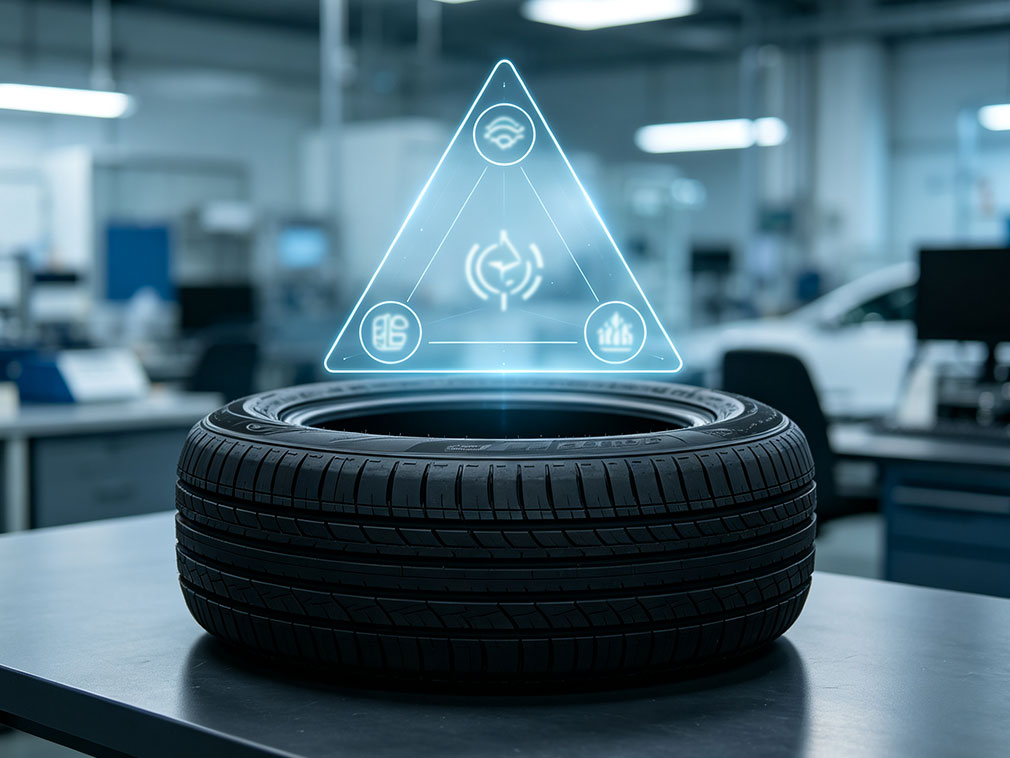
If thirty years ago only three performance indicators needed to be controlled, now engineers face equations with more than one additional variable.
The Hammer of Electric Vehicles. An electric SUV, because of its battery pack, is two to three hundred kilograms heavier than a similarly sized gasoline car, or even more. This extra weight rests entirely on the four tires. The result is almost arithmetic: heavier → faster wear → shorter lifespan.
Hardening the tire tread can reduce wear, but it immediately reduces comfort and increases road noise. Many EV tires now use polyurethane foam for sound insulation, but that's only a temporary solution—the foam reduces cavity resonance noise, not tread wear rate or wet performance.
The EU is serious. In April 2024, the Euro 7 standard was officially adopted, making tire wear particulate matter emissions a mandatory regulation for the first time in history. Passenger car tires must meet wear limits from July 2028, and the limits will be halved again five years later. The European Tire Industry Association calculated that in the first phase, about 28% of tires on the market will not meet the standards, and in the second phase, this number will soar to 41%. It's not that "the future will regulate," the train has already left the station.
6PPD-quinone: An unexpected surprise in tires. 6PPD is an antioxidant that has been used in tires for over sixty years, its function being to prevent rubber from cracking due to ozone attack—without it, tire safety and lifespan are meaningless. However, in the late 2010s, researchers discovered that 6PPD reacts with ozone in the air to produce a conversion product called 6PPD-quinone. A 2021 paper in *Science* confirmed that this 6PPD-quinone could kill coho salmon in just a few hours.
The US EPA officially launched regulatory review in 2023 and released a detailed action plan in 2024. The current dilemma is that 6PPD cannot be eliminated (tire safety will be compromised), but the development of alternatives needs to simultaneously meet a series of hard constraints such as anti-aging, durability, mass production, and cost control. This is not just about changing a single ingredient; it's about redesigning a chemical system that has been operating stably for sixty years.
Cost—the ultimate arbiter of all innovation. Consumers are far more price-sensitive than engineers imagine. Adding 5 phr of high-quality silica to the formula, using a better coupling agent, or employing a more complex mixing process—every improvement is directly reflected in the retail price. The technologically optimal solution may not necessarily be accepted by the market.
What this means for the average car owner:
You don't need to memorize BET surface area or coupling reaction mechanisms. But a few things are worth knowing:
Tire pressure is your free performance modifier. Low tire pressure causes rolling resistance to spike, fuel consumption to increase, and tire shoulder wear to accelerate. Spending two minutes each month checking tire pressure is the most direct way to save money.
Pay attention to the labels when changing tires. EU tire labels (and similar tire grading systems are being promoted domestically) directly indicate rolling resistance and wet grip ratings. A difference of one rating can result in a much larger difference in fuel consumption and braking distance than most people can perceive with their driving habits.
Electric vehicle owners should pay particular attention. Your car is heavier, and tires wear out faster—this is a physical fact, not a quality issue. Choosing EV-specific tires (which typically have a reinforced carcass structure and wear-resistant compound) is wiser than obsessing over the "most durable" regular tires.
Driving habits are more important than tire compounds. Hard braking, rapid acceleration, and high-speed cornering—these three actions wear down tires more significantly than any difference in compound. Gentle driving saves money.
The Devil's Triangle won't disappear; it will only be constantly redefined through new materials, new processes, and new engineering compromises. For tire engineers, it's a never-ending game of balancing. For ordinary car owners, knowing this game exists means having an extra dimension to consider when buying tires.






