
Boost recycled carbon black in tires
South Korea's Ministry of Climate, Energy and Environment recently announced an investment of 48 billion won (approximately 224 million yuan) in technology research and development to promote the high-value recycling of waste tires and increase the proportion of pyrolytic carbon black (rCB) used in new tires.
This move aims to help South Korean tire companies meet the compliance requirements of the EU's Sustainable Product Ecodesign Regulation (ESPR) regarding the use of recycled materials, preparing their products for entry into the European market.
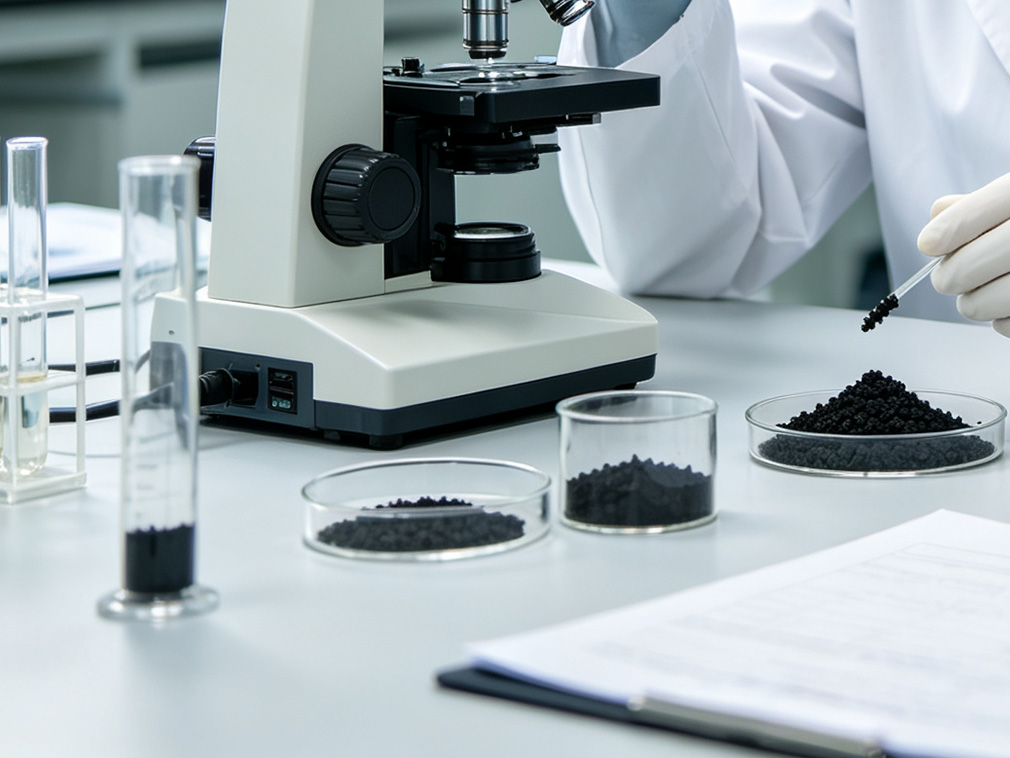
This project is part of South Korea's national R&D program, announced on July 2, 2026, with a total scale of 73 billion won (approximately 340 million yuan), aiming to improve the recycling system for waste tires and used clothing by 2030. Of this, 25 billion won will be allocated to the development of waste clothing recycling technology, and 48 billion won will be used for the development of technologies for obtaining and commercializing high-quality raw materials from waste tires.
In the industry, companies such as Hankook Tire have already begun utilizing waste tires to obtain high-quality raw materials. The government expects this project to also contribute to achieving the national greenhouse gas emission reduction target.
Official data shows that in South Korea, over 60% of waste tires are currently processed into solid recycled fuel (SRF) and other thermal energy raw materials, with only a small amount being converted into recycled carbon black through pyrolysis and used in new tire production. Due to the need to improve the durability of pyrolysis carbon black products, the current proportion of recycled carbon black used in South Korean tire product rubber compounds is less than 5%.
This plan will focus on supporting two types of technologies: first, waste tire pyrolysis pretreatment processes to produce higher-quality recycled carbon black products; and second, tire manufacturing technologies, aiming to achieve a recycled carbon black usage rate of no less than 15%. The project will run from 2026 to 2029 (approximately 4 years) and will be managed by the Korea Institute of Environment, Industry and Technology (KEITI) on behalf of the Ministry of Climate, Energy and Environment.
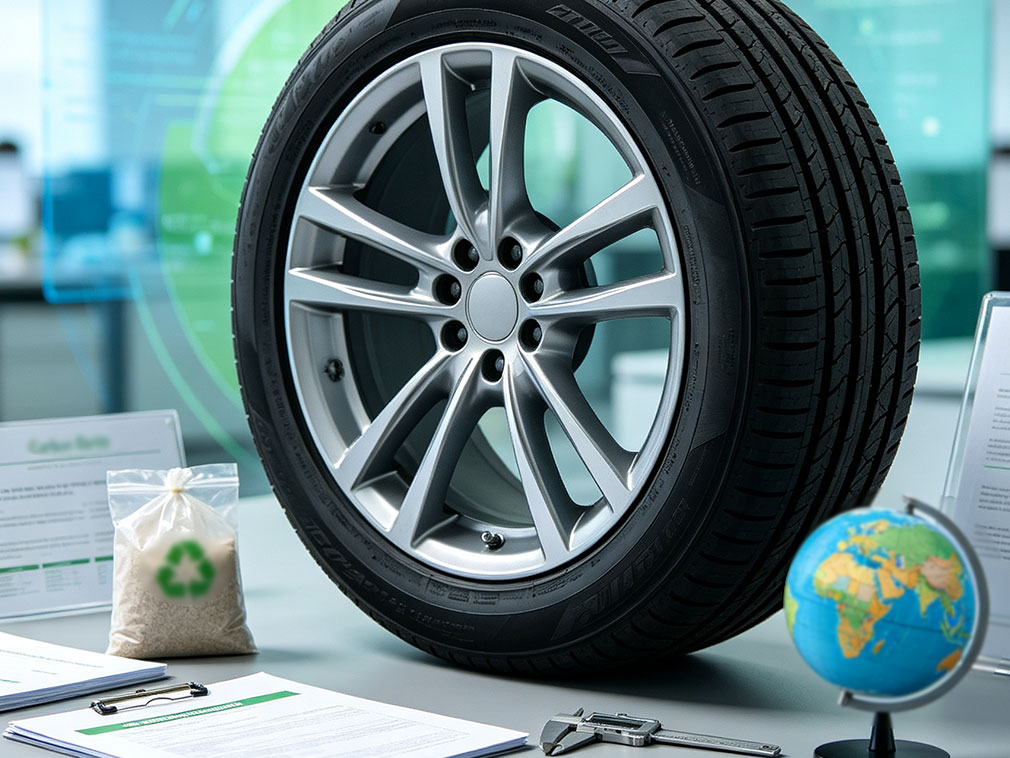
ESPR officially came into effect in July 2024. In April 2025, the European Commission released its first "Work Plan 2025-2030," listing tires as a key controlled category. The authorization bill for tires is expected to be released in the first half of 2027 and officially implemented in the second half of 2028, at which time tire manufacturers will be required to use a certain proportion of recycled materials in their products.
However, the ESPR tire-related provisions face industry controversy during their implementation. The European Tyre and Rubber Manufacturers Association (ETRMA) and its tire industry organization Tyres Europe have put forward several recommendations: First, eco-design standards should focus on the tire's entire life cycle environmental footprint (including carbon footprint) to ensure that sustainability measures do not compromise safety performance; regulations targeting only certain performance aspects will cause secondary problems.
Second, they insist that tire material control should fall under the EU REACH regulation, not the ESPR system, and oppose restrictions on tire materials and related chemicals without conducting individual impact assessments. Third, they require that the new regulations be based on quantitative, representative, and reliable data, and be consistent with existing regulations such as UN Regulation 117 and Euro 7 emission standards. Currently, the tire industry is already subject to more than ten EU regulations and up to 13 UN Economic Commission for Europe (UNECE) performance standards.
It should be noted that South Korean tire companies exporting to Europe face two different types of EU regulations. ESPR focuses on the proportion of recycled materials used, which is precisely the target of this 48 billion won investment; Euro 7 emissions standards, on the other hand, for the first time include tire wear particulate matter emissions in their regulation, requiring passenger car tires to meet wear limits from July 2028 (0.22 grams per kilometer per ton of vehicle weight in the first phase).
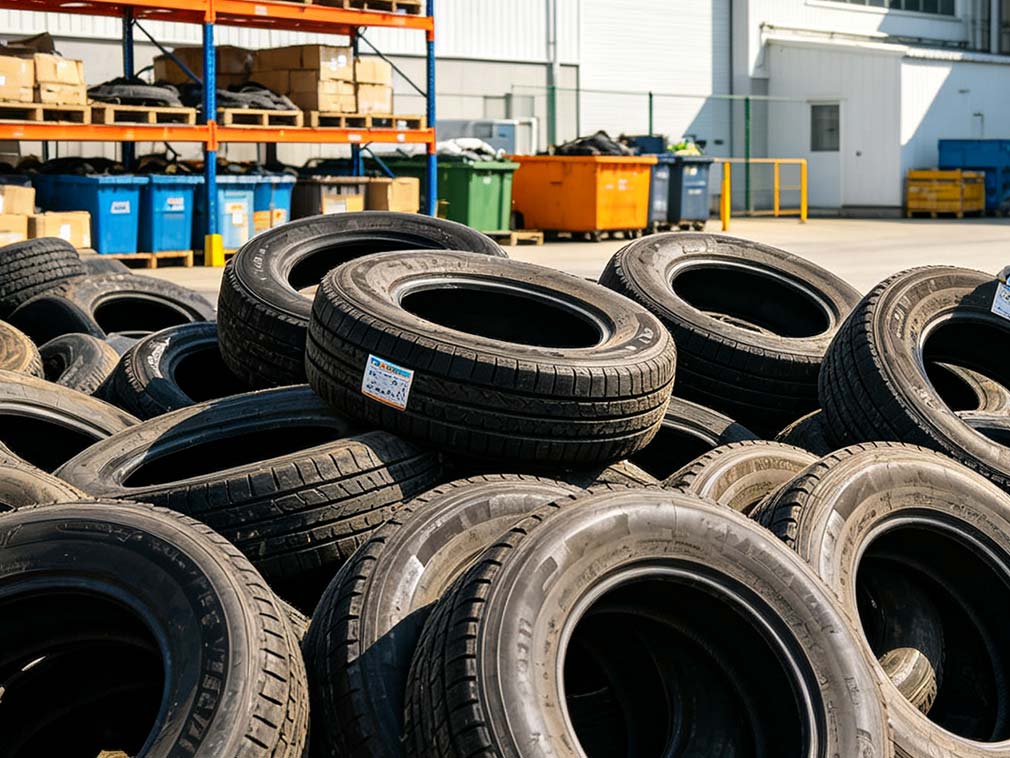
Tyres Europe estimates that Euro 7 Phase 1 will lead to approximately 28% of tires currently on the market being withdrawn. These two regulations have different regulatory dimensions and should not be confused. The South Korean government's investment focuses on breakthroughs in recycled carbon black technology at the ESPR level; improvements in wear performance at the Euro 7 level still require separate attention.






