
Tire Industry Faces Inventory Crisis
In the tire industry, no one can avoid the word "inventory."
Once a manufacturer's production line starts, it can't stop—shutting down and restarting is costly, and a supply chain disruption means workers are laid off. So even if sales aren't good, the machines have to keep running, and the tires produced are pushed down to dealers.
Dealers are the gate between manufacturers and end-users; goods first enter their warehouses, then are distributed to tire shops, 4S stores, and fleets. You earn the price difference based on the time and location difference. To put it bluntly: what's piled up in the warehouse isn't tires, it's cash flow. Fast turnover means profit; slow turnover means more money in.
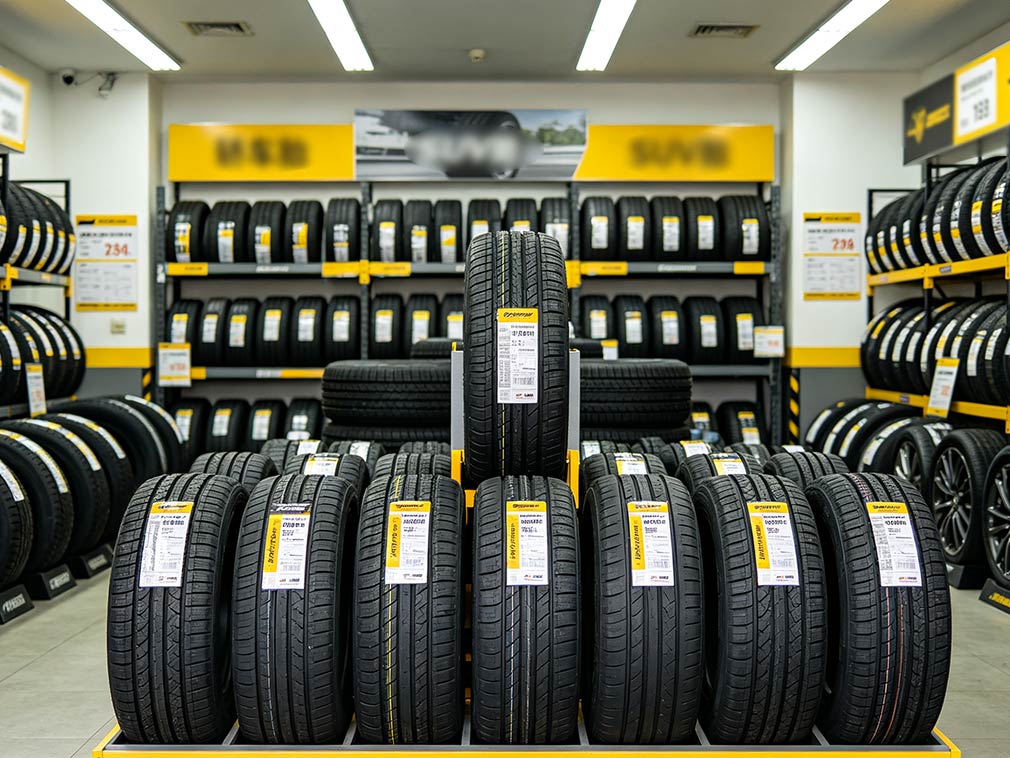
In August 2026, this gate was about to break
According to the latest data from Longzhong Information, in early August, the inventory turnover days for semi-steel tires were 45 to 52 days, and for all-steel tires, 40 to 48 days, both at a three-year high for the same period. The industry's ideal turnover rate is 30 days—these figures are 50% and 35% higher, respectively. In mid-June, the turnover days for semi-steel radial tires surged to 46.5 days, while all-steel radial tires exceeded 41 days, both reaching three-year highs.
This is true at the factory level, but even more so at the dealer level. A survey of 62 all-steel radial tire dealers by Zhuochuang Information at the end of last year showed that 78% had increased their inventory month-on-month. By July 2026, a nationwide survey by Tire International Perspective showed that 60.33% of dealers still had increased inventory month-on-month—the percentage had narrowed, but the trend remained the same. Large dealers had an inventory turnover of approximately 90 days, while small and medium-sized dealers had approximately 60 days, resulting in a large amount of capital tied up in inventory.
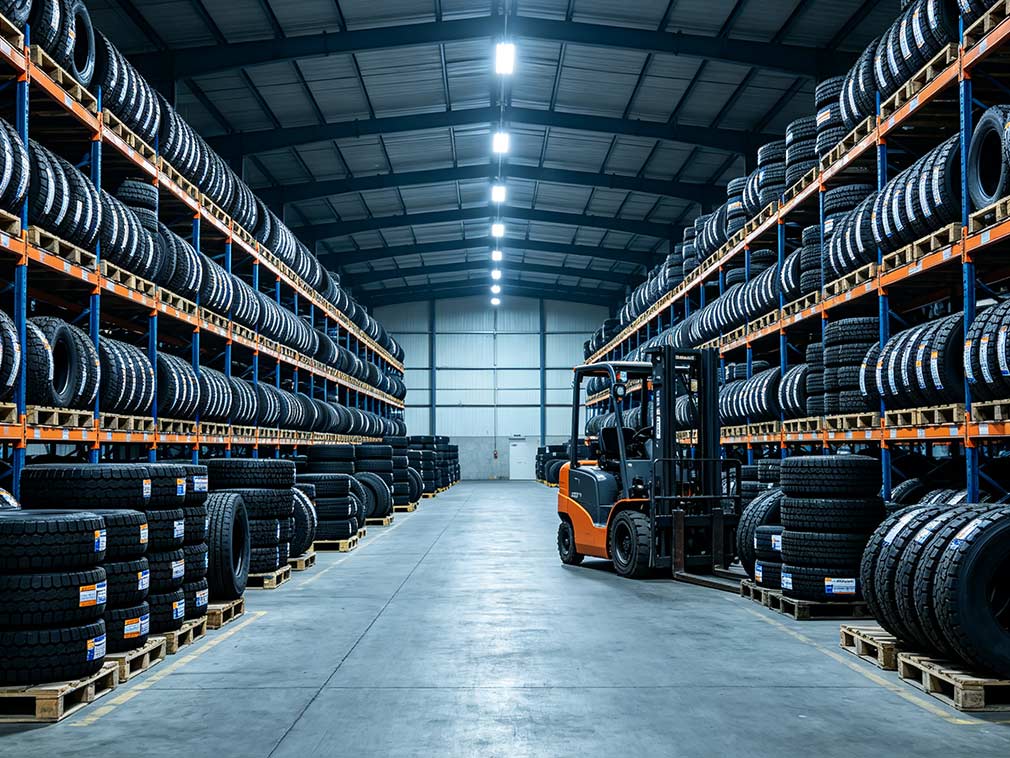
Why are they not selling? The root cause is severe overcapacity
Annual production capacity of semi-steel radial tires exceeds 800 million units, while effective domestic and foreign demand is less than 600 million units, resulting in an oversupply of over 200 million units. In the first half of 2026, supply is estimated at approximately 349 million units, while demand is estimated at approximately 303 million units—an oversupply of nearly 50 million units in just six months.
From 2023 to 2024, companies rushed to expand production, adding over 210 million tires in 2025, far exceeding market capacity. The Central Financial and Economic Affairs Commission specifically criticized "involutionary competition" in 2025, and the China Rubber Industry Association promoted "capacity reduction and replacement," but existing production lines couldn't be shut down.
Further fueling the fire was the rising cost of raw materials
Natural rubber prices broke through 15,000 yuan/ton in the second half of 2025 and continued to climb, reaching 18,000 yuan/ton in March 2026 and still hovering around 17,600 yuan/ton in May, a year-on-year increase of nearly 30%. This surge in costs directly crushed profits: on July 23, the theoretical profit was -0.18 yuan/kg for semi-steel tires and -1.27 yuan/kg for all-steel tires—both production lines were operating at a loss. Every kilogram of tires produced resulted in a loss.
Manufacturers issued price increase notices—over 80 notices were issued, with mainstream increases ranging from 2% to 5%, and Tengsen Rubber raising prices by as much as 10%. However, the market response was lukewarm. The price increase notices were essentially "buying urgings," with the real pricing policy hidden in the implicit rebates offered at order fairs: a 5% increase in name only, with a covert rebate, but goods had to be taken first. By July, some brands had abandoned all pretense and directly lowered prices for promotional purposes.
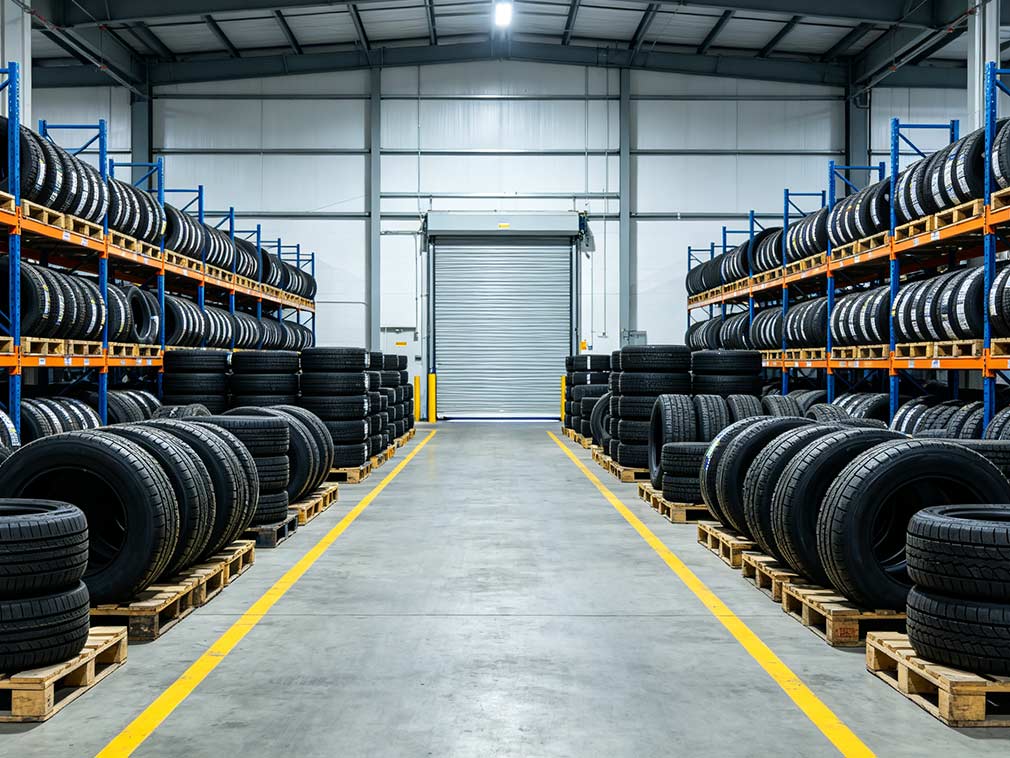
July orders shrank across the board, and operating rates continued to decline
Surveys showed that 71% of semi-steel tire factories saw a month-on-month decrease in orders, with 0% growth; 68% of all-steel tire factories experienced a decline, with 0% growth. In July, the average monthly operating rate for semi-steel tires was approximately 62% to 63%, and for all-steel tires, 63% to 65%, 6 to 10 percentage points lower year-on-year.
Starting August 1st, many tire factories in Shandong initiated 3 to 5 days of summer maintenance—a traditional practice, but this year, coupled with overflowing inventory, its nature changed: it wasn't routine maintenance, but forced production cuts.
Promotional fairs remained the most dreaded event for distributors. Manufacturers would host banquets, exchanging pleasantries, and then hand out sales orders before the event ended. If you didn't do it, someone else would be lining up.
The number of distributors has decreased by about 30% in the past three years, while the market share of leading companies has increased by 15%—elimination is underway. Manufacturers are not in a hurry to change distributors, using a "boiling frog" approach: annual targets are increased year after year, rebate policies are changed every year, and failure to meet targets means no rebates, which is equivalent to working for nothing.
The cash flow has begun to break down
In July, Harbin Bank listed 28,490 insured tires for disposal, with prices ranging from 5 million to 32.48 million yuan—the bank is auctioning off the collateral assets of distributors. In September 2025, a wholesaler in Jingyuan, Gansu, entered bankruptcy proceedings with a target amount of 12.66 million yuan.
As of early 2025, at least six distributors have been auctioned off or added to the list of defaulters. Profit margins have been squeezed from 8% to less than 3%, and inventory turnover has increased from 30 days to 45 days or even 90 days. On one hand, there are unsold goods, and on the other hand, there are overdue payments. Squeezed from both ends, the chain breaks.
What to do?
Most surviving dealers did a few things: cut brands, only accepting those with price protection agreements; controlled payment terms, no longer extending large amounts of credit; added services, with the gross profit margin for pure tire sales falling below 5%, while the combined gross profit margin for "tires + alignment + testing" could still maintain 15%; and implemented systems to reduce turnover from 45 days to 28 days.
However, this transformation requires investment of manpower and capital. For veteran dealers with twenty years of experience, switching from "moving boxes" to "providing services" was more difficult than closing their stores.
Tires, if stored for too long, have aged rubber and hardened treads, becoming worthless once the production date has passed. The same applies to inventory—if it can be turned over, it's money; if it can't, it's debt.






