EV Tire Wear: Hidden Challenge
Electric vehicles are now ubiquitous on the streets. They don't require gasoline, accelerate rapidly, and are quiet, effectively reducing emissions in cities. However, most people haven't noticed a growing problem hidden beneath this "green travel": due to their weight and power characteristics, electric vehicle tires wear out much faster than gasoline-powered vehicles, and the resulting fine particles are quietly polluting the environment. With the number of electric vehicles increasing rapidly every year, this invisible non-exhaust pollution has become a new and unavoidable issue for transportation and environmental protection.
The rapid tire wear of electric vehicles stems from their inherent design. Firstly, carrying a large battery makes them significantly heavier than comparable gasoline-powered vehicles. Mainstream pure electric family cars typically weigh 300 to 500 kilograms more, with larger vehicles showing an even greater difference. For example, the Tesla Model S has a curb weight of 2.55 tons, 400 kilograms heavier than a similarly sized gasoline-powered car.
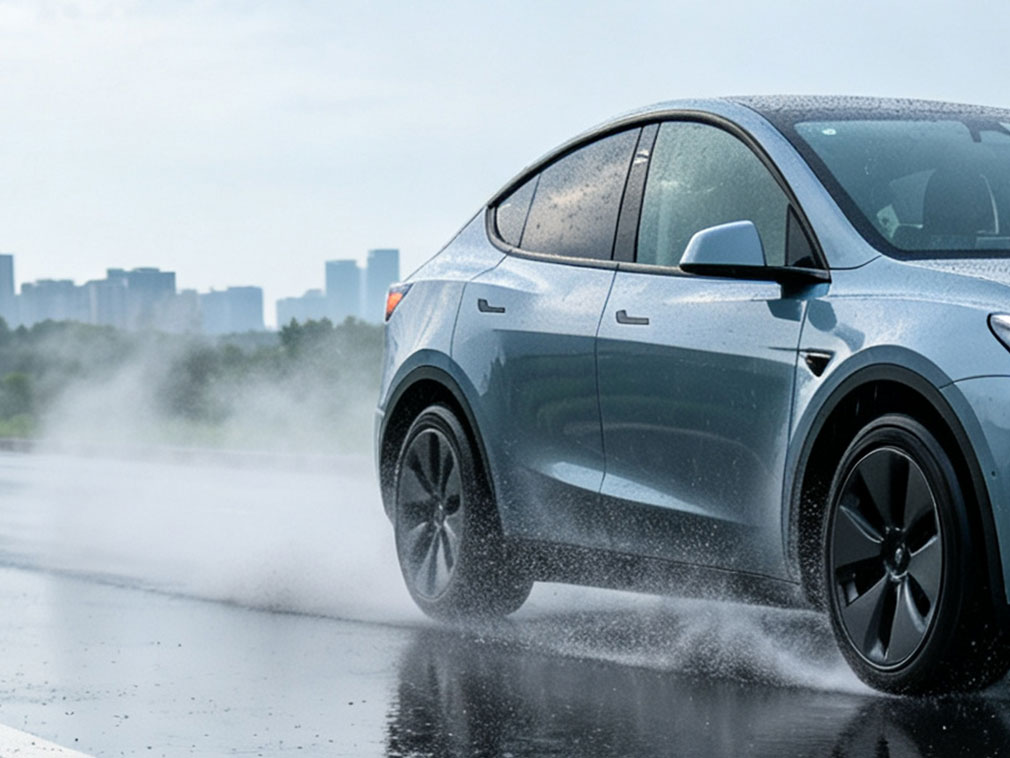
A heavier vehicle means greater pressure on the tires, resulting in more intense contact between the tire tread and the road surface, leading to faster wear. Secondly, the power output of an electric motor is completely different from that of an engine.
An electric motor can reach maximum torque immediately from a standstill, delivering power quickly and directly, without the gradual increase in power seen in gasoline cars. This essentially means the tires are being forcefully torn and squeezed. Some organizations have tested this; when vehicle weight increases by 30% and torque increases by 40%, tire wear is 20% faster than in gasoline cars.
Michelin's engineering team has also verified this in the field: currently, the lifespan of electric vehicle tires is generally 30% shorter than that of gasoline car tires. With this kind of wear, particulate pollutants are rapidly released.
Many people think that tire wear is simply the shedding of rubber dust, but this is far from the truth. Tire abrasion particles (TWP) are a complex pollutant, containing not only rubber debris but also various chemical additives, carbon black, and fine metal slag.
Most of these are micron-sized particles that are deeply embedded, difficult to degrade, and can remain in the environment for a long time. According to global environmental monitoring data from 2026, approximately 6 million tons of tire particles are produced annually by motor vehicles worldwide, of which 200,000 tons end up in the ocean, becoming a major source of marine microplastics.
Monitoring in water has also revealed that 95% of the microplastics washed up from roads by rainwater come from tire wear, with 2 to 59 TWP particles detected per liter of surface water. These particles flow with rainwater into rivers, lakes, and oceans, unable to decompose naturally, accumulating in water bodies and slowly damaging aquatic ecosystems.
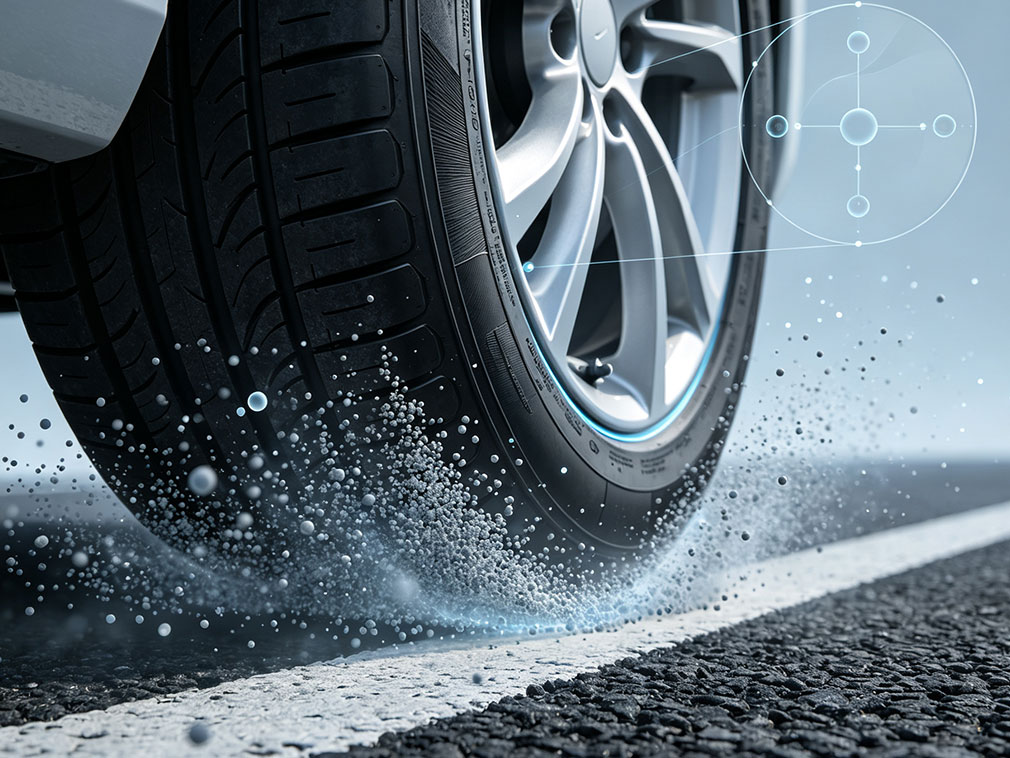
The harm caused by these tiny particles affects both the ecosystem and human health. Ecologically, tire particles in the water are easily ingested by plankton, small fish, and shrimp, unable to be digested or excreted, accumulating in their bodies and passing down and enriching themselves along the food chain. The result is disrupted metabolism in aquatic organisms, decreased reproductive capacity, fewer survivors, and the gradual destruction of the entire aquatic food chain. Regarding human health, ultrafine tire particles floating in the air can remain afloat for extended periods.
A joint study by several overseas universities in 2026 found that electric vehicles emit 30% more ultrafine tire particles than gasoline-powered vehicles of the same size. These particles are small enough to be inhaled directly into the lungs and can even penetrate the alveoli into the bloodstream. Prolonged exposure to such air can cause cumulative damage to the respiratory and cardiovascular systems, increasing the risk of chronic diseases.
This puts electric vehicles in a somewhat contradictory environmental situation: while exhaust emissions are largely resolved, their weight and power contribute to pollution from tire wear. A comparative test conducted by the EU environmental agency and Virginia Tech in 2025-2026 found that, under the same road conditions and over the same distance, electric vehicles emit 20% more emissions from tire wear than gasoline vehicles, with weight and high instantaneous torque being the two main reasons.
However, this test also provides a more comprehensive conclusion: electric vehicles have kinetic energy recovery, significantly reducing brake pad wear. Therefore, the total non-exhaust particulate matter emissions are actually roughly the same as gasoline vehicles, and some well-tuned models may even be lower. In other words, we cannot focus solely on tire pollution, nor can we deny the environmental value of electric vehicles because of this.
With the increasing sales of new energy vehicles globally, pollution from tire wear has transformed from a minor issue into a major problem. Environmental regulations that previously only addressed exhaust emissions are now turning their attention to closing this loophole. Previously, emission standards set by various countries primarily focused on exhaust emissions.
The newly introduced Euro 7 standard, for the first time, includes mandatory control over tire wear particulate emissions, directly setting limits on tire wear and particulate concentration for new vehicles, forcing automakers and tire manufacturers to upgrade their technologies. Domestically, the environmental protection and automotive industries have also conducted numerous special investigations and technical studies, gradually incorporating non-exhaust emissions from motor vehicles into daily traffic environmental management.
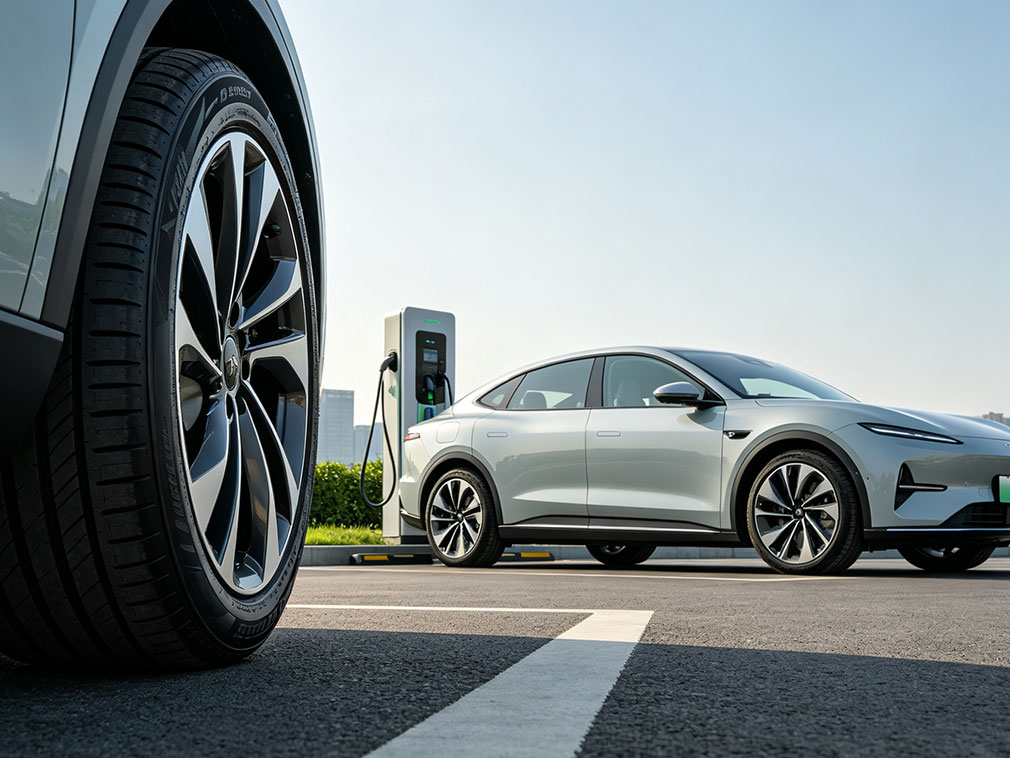
Faced with this new pollution challenge, the automotive and tire industries have already taken action. Major tire brands now offer tires specifically designed for electric vehicles, with redesigned rubber compounds, modified tread patterns, and strengthened tire structures to specifically adapt to the heavy and powerful characteristics of electric vehicles, slowing down tire wear and controlling particulate matter at its source.
Automakers are also actively working on vehicle lightweighting, adjusting power delivery smoothness, and refining kinetic energy recovery logic to minimize excessive power surges during start-up and acceleration, which could damage tires. For ordinary car owners, driving steadily, avoiding sudden acceleration and braking, and checking tire pressure and wear periodically can effectively reduce tire wear and particulate pollution.
The transportation sector's pursuit of carbon neutrality and the green transformation driven by new energy vehicles are indeed significant, with undeniable environmental value and development prospects. However, the issue of hidden tire pollution clearly reflects the current inadequacy of current transportation environmental governance: we are busy addressing exhaust emissions, but neglecting the environmental damage from non-exhaust emission sources.
Going forward, to truly achieve comprehensive green and low-carbon transportation, we need technological iteration, standard upgrades, industry collaboration, coupled with everyone's green driving habits, including managing the micro-pollution from tire wear, addressing the environmental shortcomings of new energy travel, and making electric vehicles truly green and pure.