
Smart Green Tire Overseas Push
Halfway through 2026, looking back at the expansion map of China's tire industry, overseas markets have become the absolute main battlefield. In less than six months, over 20 new, expanded, and increased investment projects have surfaced, with the newly planned semi-steel and all-steel tire production capacity approaching 220 million units. While increasing investment in its established Southeast Asian base, it has also made moves in Africa, Europe, and the Americas, creating a clear multi-point coordinated global production network.
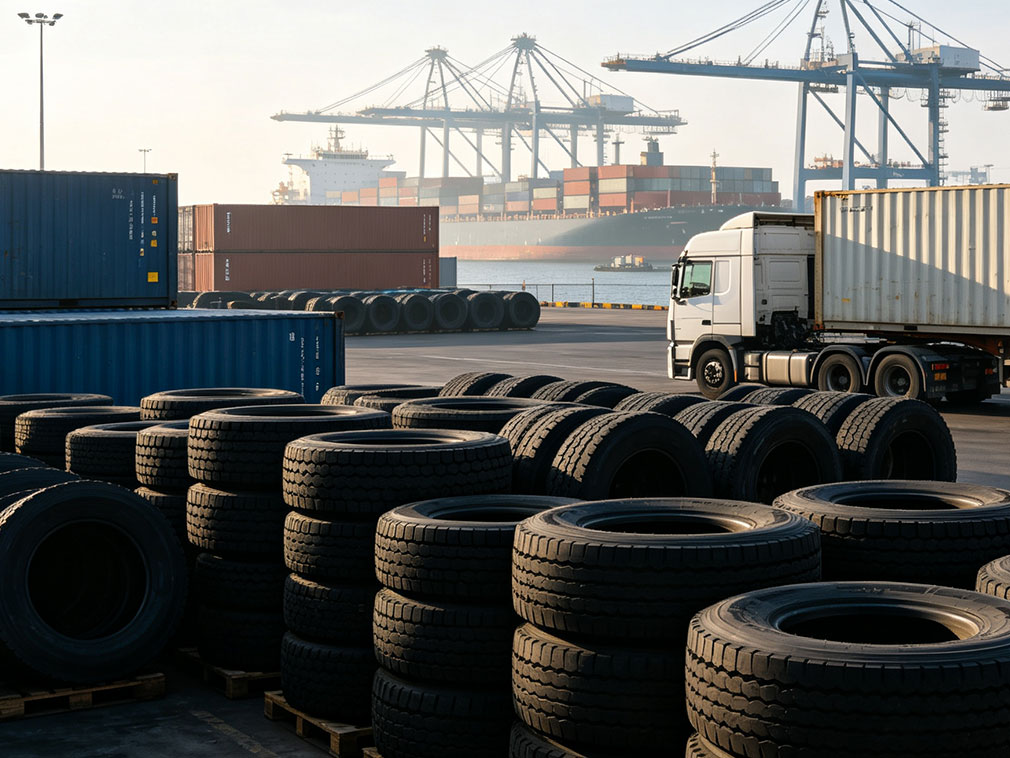
This round of overseas expansion is not a scattered trial, but a substantial export of production capacity. Sailun Tire has increased the registered capital of its Indonesian base to $300 million, increasing its annual semi-steel tire production capacity from 3 million to 6 million units, aiming to further deepen its cost moat in Southeast Asia.
Guizhou Tire has turned to Morocco, obtaining approval for a project to produce 6 million semi-steel tires annually, simultaneously reaching into both the European and African markets. Triangle Tire has launched a project in Cambodia to produce 7 million high-performance radial tires annually, with a total investment of 3.219 billion yuan, targeting high-end OEM for passenger cars and light trucks.
Beyond these, Linglong Tire's Serbian factory has achieved stable production of all-steel and semi-steel tires, establishing a strong foothold in the heart of Europe; Sentury Tire's smart factory in Morocco went into operation last year, becoming one of the few highly automated tire manufacturing bases in North Africa.
Sailun, Linglong, and Zhongce have also significantly accelerated their expansion in Mexico and other parts of the Americas, gradually filling the gaps in their production capacity in the Americas. The diversified deployments of these major companies have significantly balanced the overseas production capacity of Chinese tire manufacturers.
The reason these companies are eager to expand overseas is straightforward. The US's anti-dumping and countervailing duties on Chinese passenger car and light truck tires have severely hampered their expansion, while the EU is simultaneously promoting a carbon border adjustment mechanism and continuously raising environmental standards through tire labeling laws. Continuing to rely solely on domestic production and exports will clearly lead to obstacles at every turn.
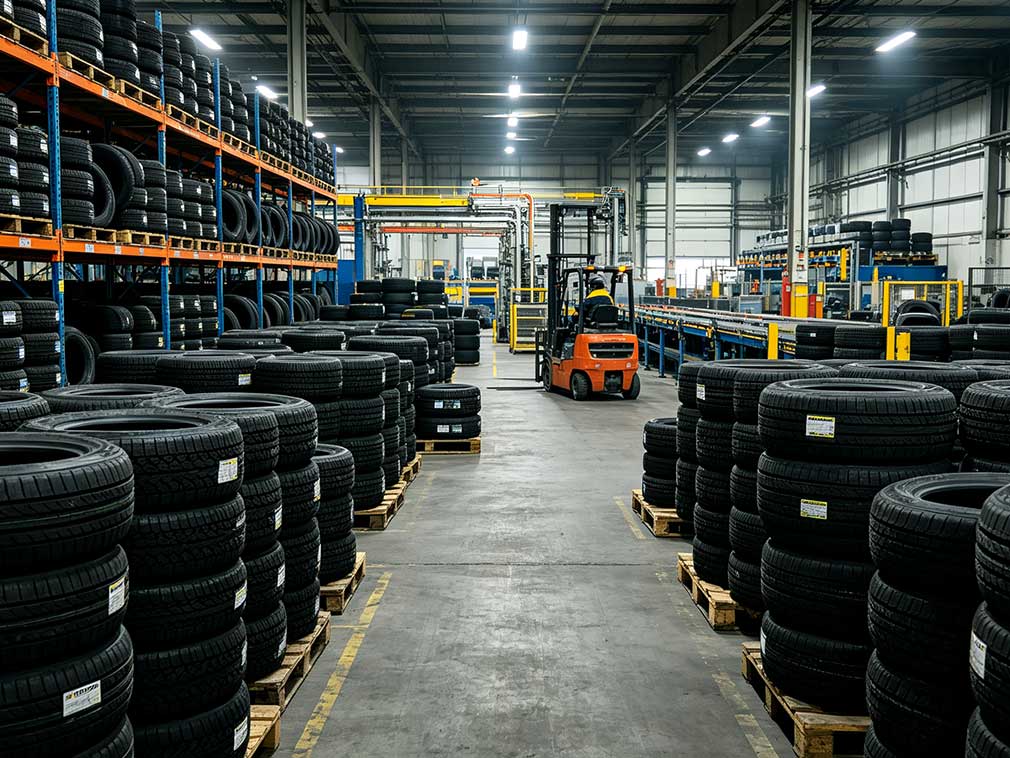
Building factories in Southeast Asia allows for access to natural rubber locally and avoids tariffs; tires produced in Morocco and Mexico have natural advantages in terms of tariffs and logistics when entering the European and American markets. Having factories near markets reduces delivery times, lowers shipping costs, and allows for faster customer response. This "production-to-sales" model saw a concentrated surge in production in 2026, with overseas production capacity rapidly increasing as a percentage of China's total tire production – a clearly visible trend.
While expanding production capacity, the direction is also changing. Simply increasing scale is insufficient; high-end, intelligent, and green technologies are key to a turnaround. In the aviation tire sector, domestically produced civilian radial aviation tires have broken through key materials and structures, entering the airworthiness testing and aircraft flight testing phase, beginning to encroach on this field long dominated by giants.
For new energy tires, to meet the special requirements of high torque and low noise in electric vehicles, sound-absorbing cotton technology and highly dispersed compounds have become almost standard, continuously improving range and braking performance. Intelligent tires integrate micro-sensors and low-power communication modules within the tire body, uploading tire temperature, tire pressure, and wear data in real time, directly supporting fleet management and future autonomous driving.
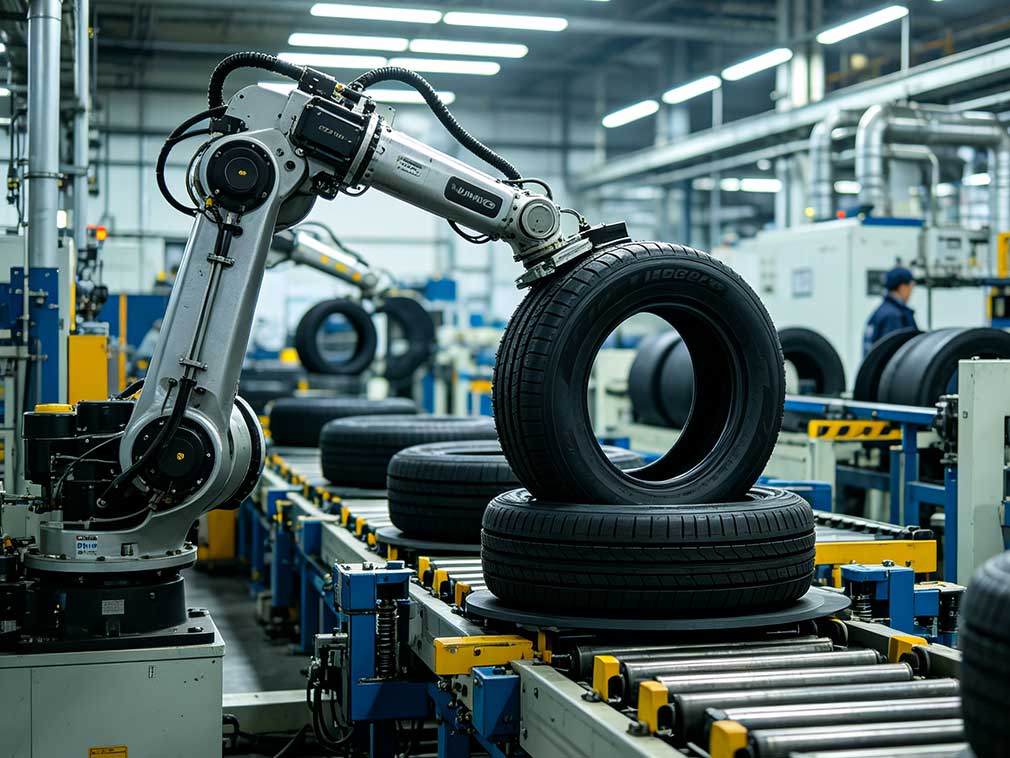
The intelligence of the factories themselves is also being upgraded. Newly built overseas factories have widely adopted fully automated logistics, digital twins, and the Industrial Internet, seamlessly integrating data flows from mixing, molding, and vulcanization to finished product inspection. This has increased efficiency, leading to a continuous decline in unit energy consumption and defect rates. Green initiatives are also being implemented rigorously.
The proportion of low rolling resistance tires has significantly increased, and bio-based and renewable materials such as dandelion rubber, rice husk ash, and carbon black are beginning to be truly incorporated into products. Waste tire pyrolysis and recycling technology has also been implemented at multiple bases. For companies closely monitoring the EU's stringent environmental regulations, these technologies are themselves a green passport for their products.
It's worth noting that nearly 220 million new planned production capacities will be released in the coming years, inevitably intensifying the supply-demand competition in the global tire market and accelerating industry consolidation.
Small and medium-sized enterprises (SMEs) lacking core technologies, brand premium capabilities, and global operations will be the first to feel the risk of being eliminated. Leading companies, on the other hand, are withstanding the pressure and building their competitive advantages through multi-base collaboration, differentiated product portfolios, and brand elevation.
In this competition, Chinese tire manufacturers need to shift from simply pursuing scale to truly competing on quality and brand, transforming themselves from followers to runners-up in the global market, and even showing some leadership potential in niche sectors like new energy tires and smart tires. Overcapacity and fierce competition will also force the entire industry to accelerate integration, pushing it towards higher-quality development in a near-brutal way.






