
China Tire Price Drops?
Widespread social media promotions of "plunging tire prices" in China are creating a false market signal for international buyers. Data from factory gate pricing and raw material markets confirms: mainstream new tire prices are not declining. The so-called "price drop" is limited to aged inventory clearance and does not reflect actual production costs or new tire pricing trends.
1. Raw Material Costs Are Locking In Production Floor Prices
Tire manufacturing cost structure (2026):
-
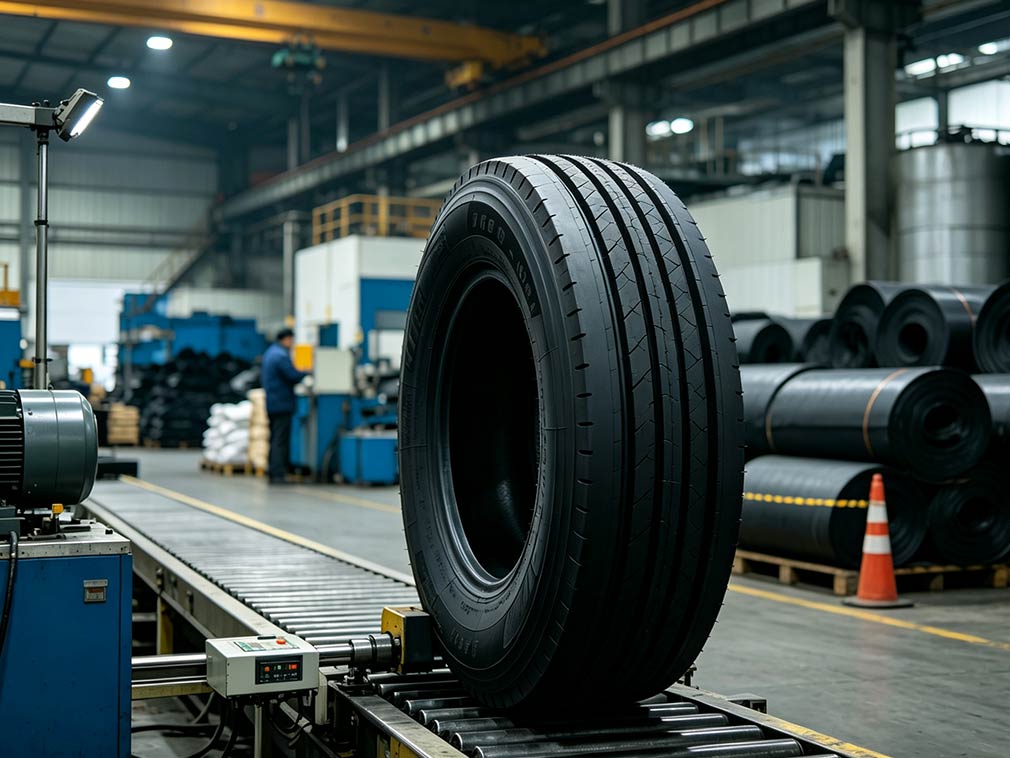
Natural rubber, synthetic rubber, carbon black = >70% of total production cost
-
All three materials remain at elevated levels, compressing manufacturer margins
|
Raw Material |
2026 Price Range (RMB) |
YoY Trend |
Key Driver |
|
Natural Rubber |
16,500–17,200/ton |
Stable, high |
Southeast Asia supply tightness (El Niño disruptions) |
|
Synthetic Rubber |
Elevated (tracking crude) |
Up |
Crude oil strength, higher butadiene annual average |
|
Carbon Black (N330) |
7,200–7,500/ton |
Up notably |
Coal tar price rise, Shandong capacity restrictions |
Result: Ex-factory prices for mainstream tires remain firmly supported. Broad discounting is not economically viable.
2. Low-Priced Tires = Aged Inventory, Not Market Benchmark
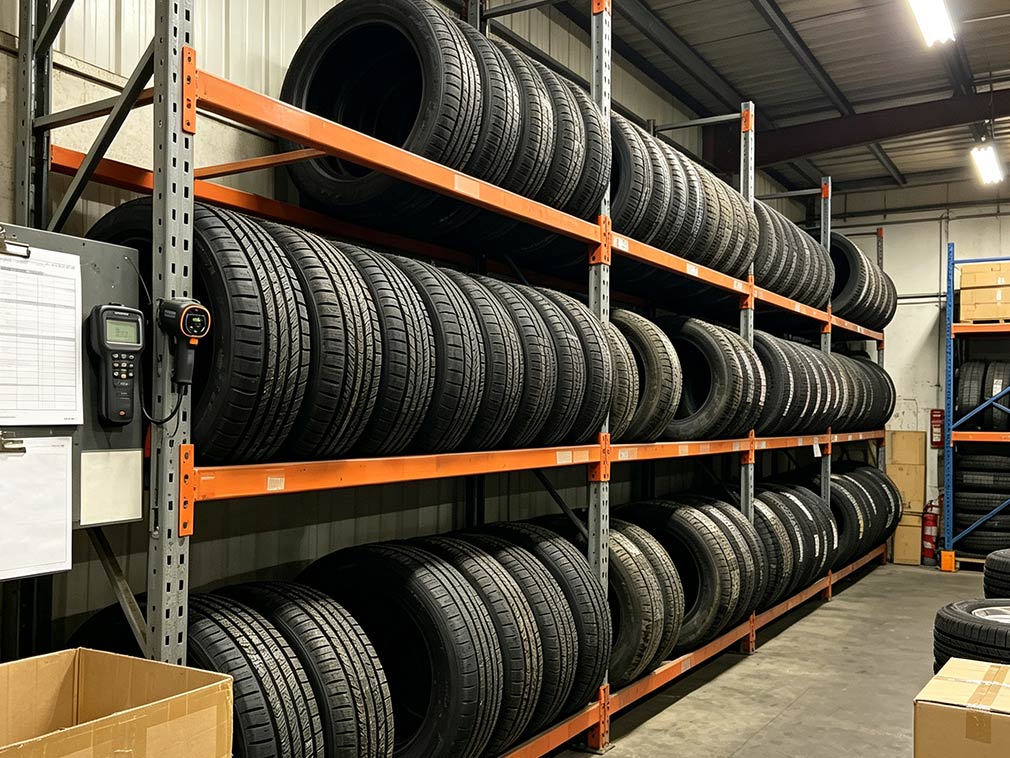
Discounted products circulating online primarily consist of:
-
OE tires for discontinued vehicle models
-
Aged stock (years in storage)
-
Niche, slow-moving sizes
Key risks for buyers:
-
Rubber aging → reduced wear resistance, wet grip degradation
-
Limited or no manufacturer warranty
-
Not representative of current production pricing
3. Where Pricing Is Stable (or Rising)
-
Standard passenger & commercial tires: Factory supply prices have seen multiple minor upward adjustments in 2026; retail discounts are tightening.
-
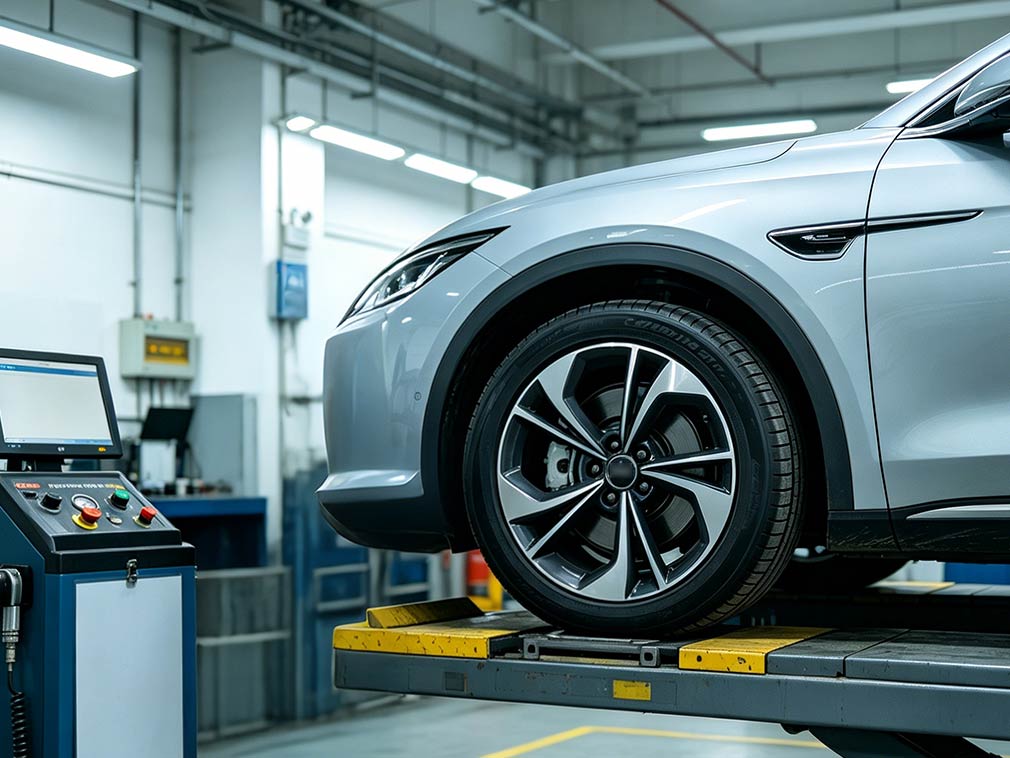
EV-specific tires: The most stable pricing segment. Higher technical requirements (load, rolling resistance, NVH) demand customized formulations and reinforced construction, resulting in structurally higher costs. With rising EV parc and minimal inventory overhang, price resilience is strong.
Bottom Line for International Buyers
The current wave of "price cuts" in China's tire market is a localized inventory clearance event, not an industry-wide repricing. Upstream cost pressure is persistent, and mainstream ex-factory prices remain firm. When sourcing, clearly differentiate between aged clearance stock and new production tires. Prioritizing current-year, fully certified, full-warranty products avoids downstream safety and after-sales liabilities.






