
Tire Margins Hit by Rubber Stalemate
In the first half of 2026, the global natural rubber market remained in a cyclical adjustment phase, failing to achieve a recovery. Multiple external negative factors combined to create an imbalance between supply and demand in the industry, further intensifying market pressure. Escalating international trade barriers and repeated global geopolitical conflicts disrupted market order, directly suppressing downstream consumer demand.
The tire industry, a core consumption sector for natural rubber, experienced a persistently sluggish performance, becoming a key factor hindering the recovery of the rubber industry chain, with a clear divergence and opposition between upstream and downstream industries.
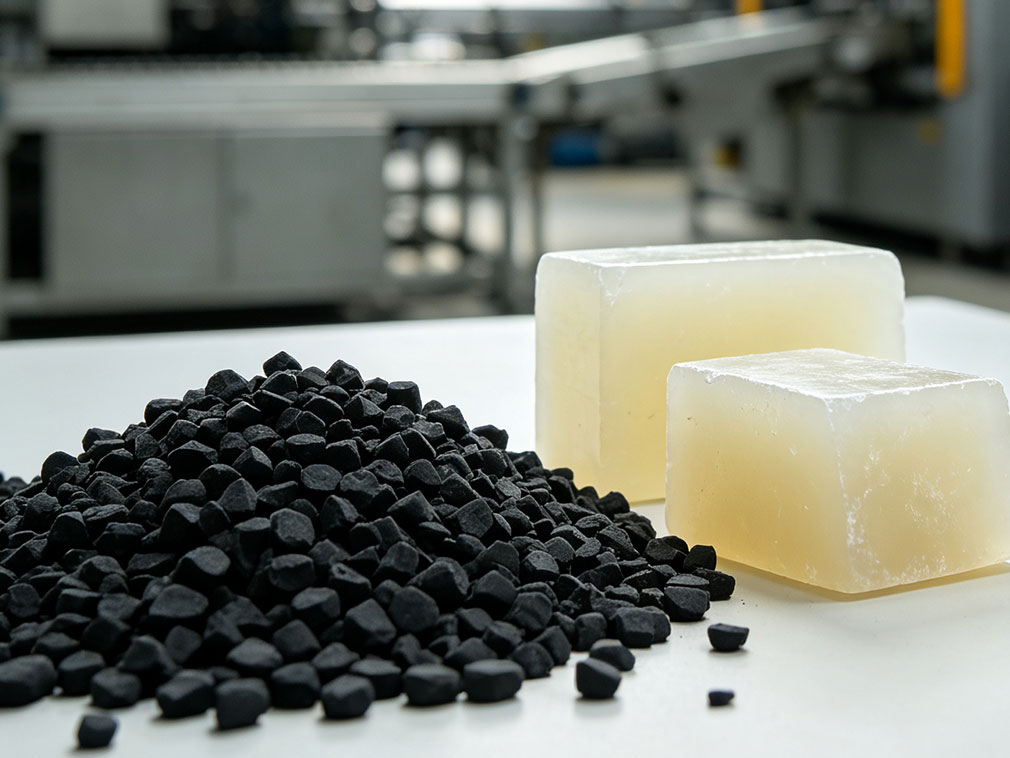
Looking at the current situation of the downstream tire industry, in the first half of the year, the industry was mired in a triple predicament of rising costs, weak demand, and high inventory levels. This year, the prices of core tire raw materials such as natural rubber, synthetic rubber, and carbon black continued to fluctuate upwards, steadily increasing the industry's production cost pressure and creating a rigid impetus for tire product price adjustments. However, contrary to the soaring costs, the tire market faced significant resistance to price increases, with insufficient market momentum for price hikes.
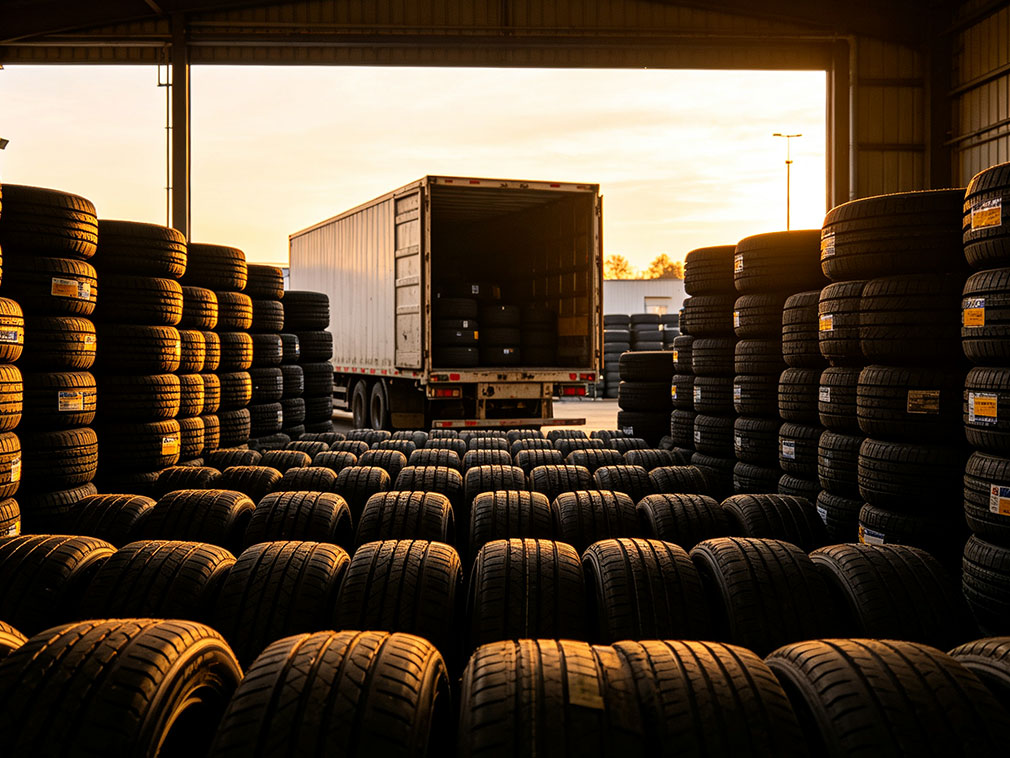
Currently, domestic tire manufacturers, distributors at all levels, and offline retailers are generally experiencing severe inventory backlogs. This, coupled with the slow recovery of the domestic automotive aftermarket and weak replacement demand, while the export market continues to face pressure due to international trade policies, has made it difficult to effectively implement tire price increase strategies, resulting in a persistently weak bargaining power within the industry.
The weak demand and operational difficulties in the downstream tire industry are transmitted upstream along the industrial chain, directly suppressing the recovery of the upstream natural rubber industry and creating a deep disconnect between upstream and downstream development.
The drastic fluctuations in upstream raw material costs and the continuous rise in the price center, coupled with the inability of downstream end-user demand to keep pace, have led to a severe imbalance in profit distribution across the industrial chain. The overall operational pressure on the industry continues to concentrate on the production end, leaving most tire manufacturers in a passive and pressured operating state.
Faced with continuously rising production costs, domestic tire companies have initiated phased price adjustments. According to publicly available industry data, since March 2026, the domestic tire industry has witnessed a wave of concentrated price adjustments, with over 80 tire companies issuing formal product price increase notices.
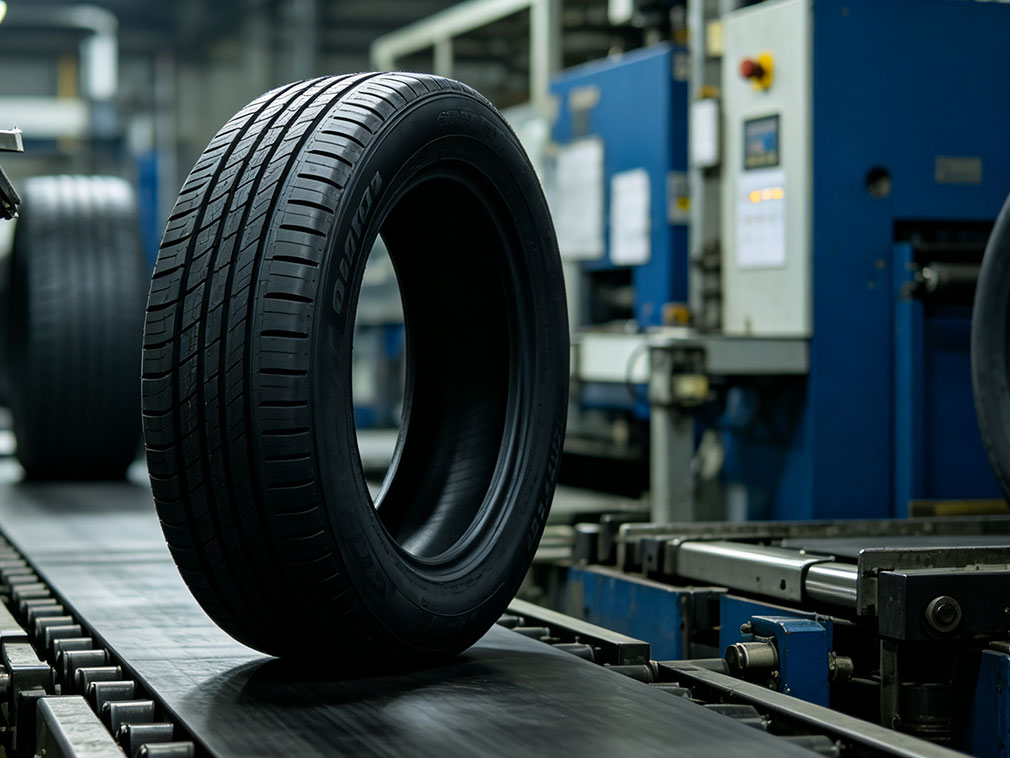
The price adjustments comprehensively cover major sub-sectors such as passenger car tires, commercial vehicle tires, and engineering tires, essentially achieving full category coverage. Leading companies in the industry have been adjusting prices more frequently, completing two to three rounds of consecutive price adjustments this year, becoming the main drivers of industry price adjustments.
In terms of the magnitude of the price adjustments, the mainstream price increases for tire products in this round are concentrated in the range of 2% to 5%, with high-end tire brands making even larger adjustments, with some products seeing increases of up to 8%, which is a relatively high price increase in the first half of recent years. This round of collective price adjustments is a passive self-rescue measure by companies in response to rising raw material costs, rather than being driven by a recovery in market demand.
Therefore, the market response after the price adjustments is far below industry expectations, and the price transmission efficiency is extremely low. According to cost accounting data from several tire companies, even with a mainstream price adjustment of 5%, the increase in revenue can only cover about 40% of the increased raw material costs, leaving companies to bear the remaining 60% or more of the cost pressure themselves.
Under this industry structure, domestic tire companies are generally caught in the awkward predicament of "increased volume but not increased profit." While the industry's production and sales volume remains at a basic level, profit margins continue to be squeezed, and the revenue growth rate and profit growth rate of most companies are severely mismatched.
Overall, in the first half of 2026, the natural rubber and tire industry chain was in a state of struggle between strong costs and weak demand. External macroeconomic disturbances, supply and demand imbalances, and high inventory pressure jointly constituted the core characteristics of the industry adjustment, hindering the recovery process of the industry chain, and the industry as a whole was still in a deep cyclical adjustment phase.






