
Global Tire Market Price Surge
In 2026, the global tire industry officially entered a price increase cycle, with tire companies worldwide announcing price adjustments one after another, establishing an overall upward trend in prices. This round of global price increases was not a short-term speculative move by the industry, nor was it a deliberate attempt by companies to raise prices for profit; rather, it was a normal industry response forced by continuously rising upstream costs.
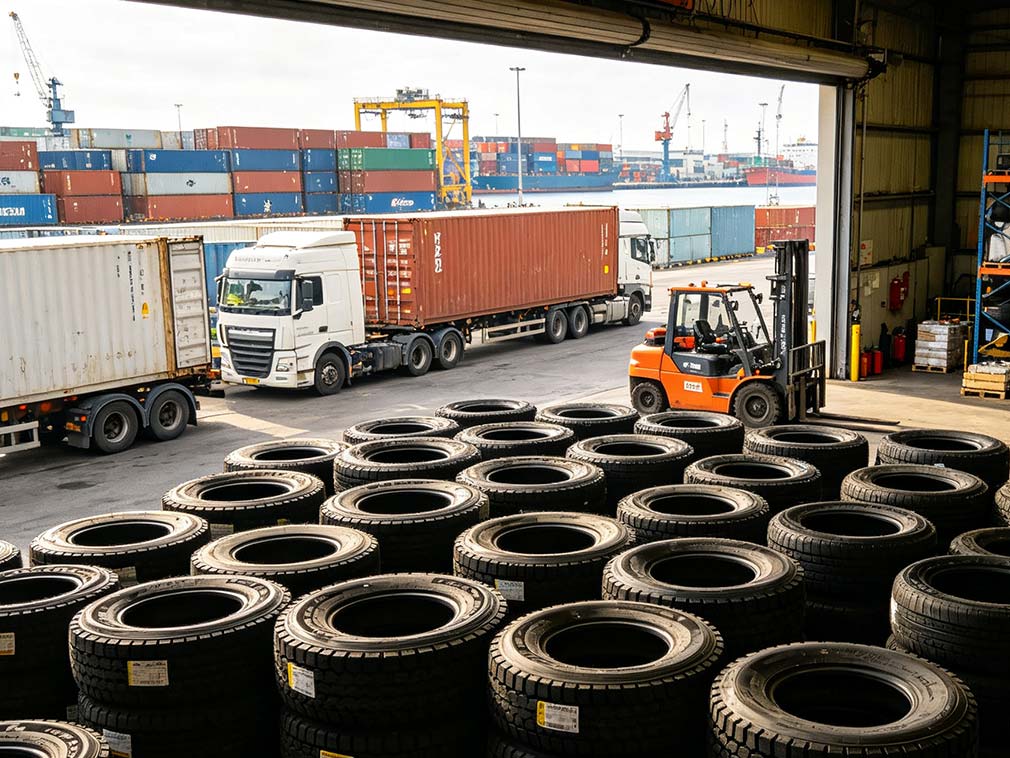
Current geopolitical tensions are disrupting global commodity markets, directly pushing up production costs across the entire tire supply chain and fundamentally altering the industry's original cost and pricing structure.
The core trigger for this round of collective price adjustments is the continued rise in international oil prices driven by geopolitical conflicts. Since the end of February 2026, the geopolitical situation in the Middle East has remained tense, leading to a volatile but upward trend in international crude oil prices, resulting in a general price increase across the entire petrochemical supply chain. Prices of essential petroleum-based auxiliary materials for tire production, such as synthetic rubber, carbon black, processing oils, and antioxidants, have all increased across the board.
Carbon black saw a monthly increase of 13%, synthetic rubber a year-on-year increase of over 15%, and various chemical auxiliary materials generally experienced double-digit price increases. Meanwhile, the natural rubber market remains high. Excessive rainfall in major Southeast Asian producing regions like Thailand and Indonesia this year has disrupted normal rubber tapping operations, leading to a contraction in raw material output.
Coupled with a slowdown in global rubber distribution efficiency, rubber prices have remained volatile at high levels, with a cumulative increase of nearly 5% since the beginning of the year. The simultaneous price increases of petroleum-based auxiliary materials and natural rubber have created a synergistic effect, placing comprehensive cost pressures on domestic tire manufacturers.
Tire manufacturing is a typical raw material-driven industry, with its cost structure highly dependent on upstream raw materials. For domestic tire manufacturers, raw material costs account for over 70% of total costs, with natural rubber, synthetic rubber, and carbon black alone accounting for more than 60% of costs.
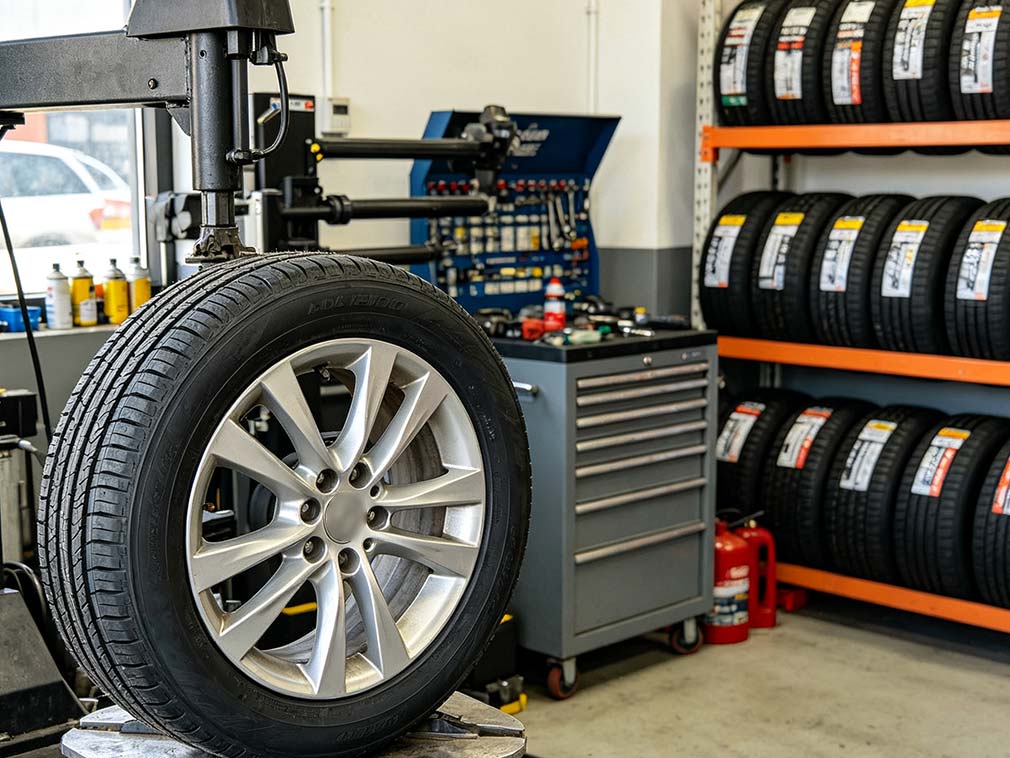
Compared to the volatile raw material prices, fixed costs such as labor, equipment, and processing account for a very small percentage, resulting in thin profit margins in the industry. This means that every increase in raw material prices directly squeezes companies' profit margins, leaving them with almost no effective cost buffers.
As a result, in the first half of 2026, the gross profit margins of major domestic tire companies generally declined, and many small and medium-sized tire manufacturers faced the dilemma of revenue growth but shrinking profits. Some small enterprises were forced to reduce or even stop production due to cost inversions. Rising raw material prices have become the core problem suppressing the industry's profitability.
The continuously rising raw material costs have opened up clear room for price increases in the global tire industry. According to industry statistics, since March 2026, more than 80 tire companies worldwide have issued price adjustment notices, covering major domestic and foreign brands such as Zhongce, Sailun, Linglong, Hankook, and Dunlop.
Most companies have completed two to three rounds of consecutive price adjustments, with the frequency of price adjustments and market coverage both at a high level this year. In terms of the price adjustment range, the price increases for mainstream all-steel and semi-steel tires are concentrated between 2% and 5%, while the increases for engineering tires and special industrial tires are even higher, with some categories approaching 10%.
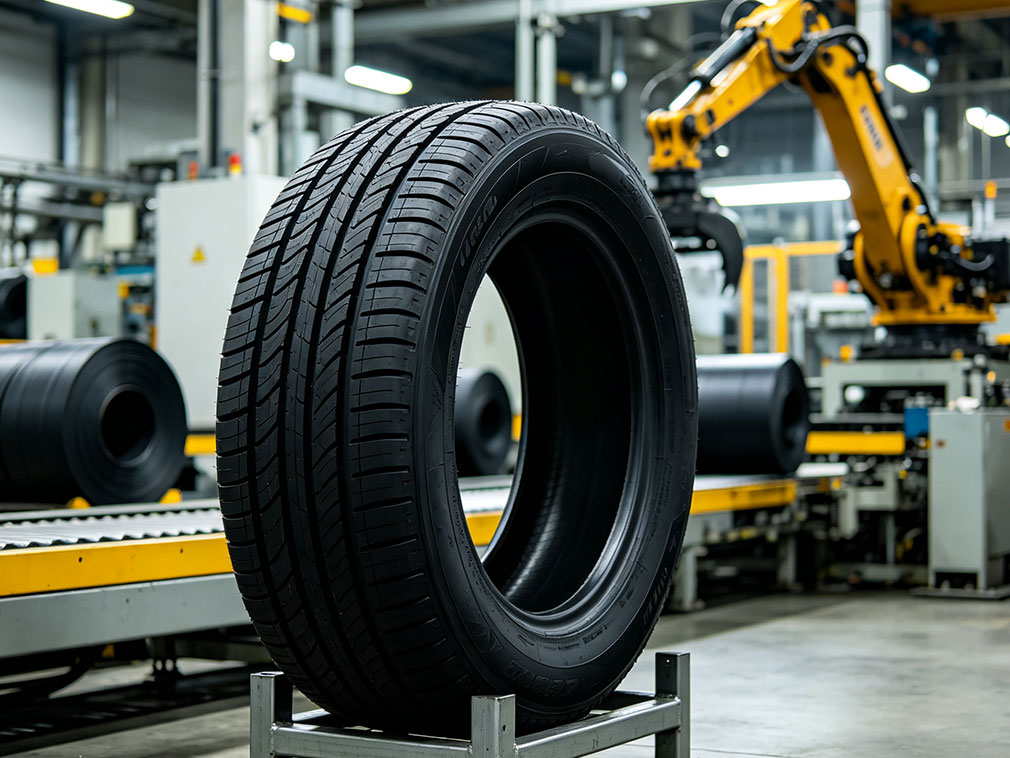
The price adjustment scope covers all categories of tire products, including passenger cars, commercial vehicles, and special machinery. Meanwhile, rising oil prices have also driven up logistics and transportation costs, further burdening businesses and providing strong support for the continued rise in end-user tire prices.
From a global market perspective, the implementation of tire price increases exhibits a clear divergence between domestic and international markets. Differences in supply and demand directly determine the strength of the price adjustment's impact. Overseas market demand is steadily recovering, providing solid market support for tire price increases.
In Europe and the United States, the continued growth in car ownership has kept aftermarket replacement tire demand stable and rigid. Simultaneously, the steady recovery of the construction machinery and highway freight industries has driven a sustained release of demand for original equipment tires.
In a market environment of weak demand and tight supply, overseas tire companies face less resistance to price adjustments, and the price increase policy can be smoothly transmitted to end-user channels, resulting in a significant implementation effect.
The domestic market presents a completely different picture. Tire price increases face significant resistance, with a slow and difficult upward trend. Currently, the domestic tire industry still faces prominent overcapacity issues, intense market competition due to product homogeneity, and a continued intensification of industry consolidation.
The recovery of domestic demand is insufficient, the growth rate of vehicle production and sales has slowed, and the demand for tires for automakers is weak. Offline tire replacement market demand remains stable with little growth, directly leading to high overall industry inventory levels.
To maintain market share and alleviate inventory pressure, most manufacturers and distributors have opted to lower prices to increase sales volume. Even facing significant cost pressures, they dare not easily raise retail prices and can only actively compress their profit margins to absorb the increased costs brought about by rising raw material prices.
In summary, the domestic tire industry in 2026 will maintain a long-term operating pattern of "high costs, internal and external differentiation, and pressure on profits." In the short term, uncertainties such as geopolitical situations, international oil prices, and weather in major rubber-producing regions will persist, and raw material costs are likely to remain high, ensuring a continued window for price increases.
The future competitive logic of the industry will gradually shift, moving away from simple low-price competition to comprehensive value competition based on product quality, production technology, channel layout, and brand strength.
Leading tire companies, leveraging their advantages in large-scale production, technological research and development, and overseas channels, are able to effectively offset cost pressures, smoothly implement price adjustments, and demonstrate greater operational resilience. Meanwhile, small and medium-sized factories lacking core advantages will continue to face pressure on profitability and industry consolidation pressures from market exits.






