
Nexen Tire Advances Tire Digitalization and Industry Transformation
The global mobility industry is undergoing a profound transformation towards intelligence, digitalization, and greening, fundamentally reshaping the value system and development model of the traditional auto parts industry.
Tires, the only component of a vehicle in contact with the ground, are no longer merely consumables but have evolved into intelligent terminals capable of monitoring driving safety, recording vehicle operating conditions, and analyzing energy consumption, upgrading from basic rubber industrial products to traceable, mineable, and reusable data assets.
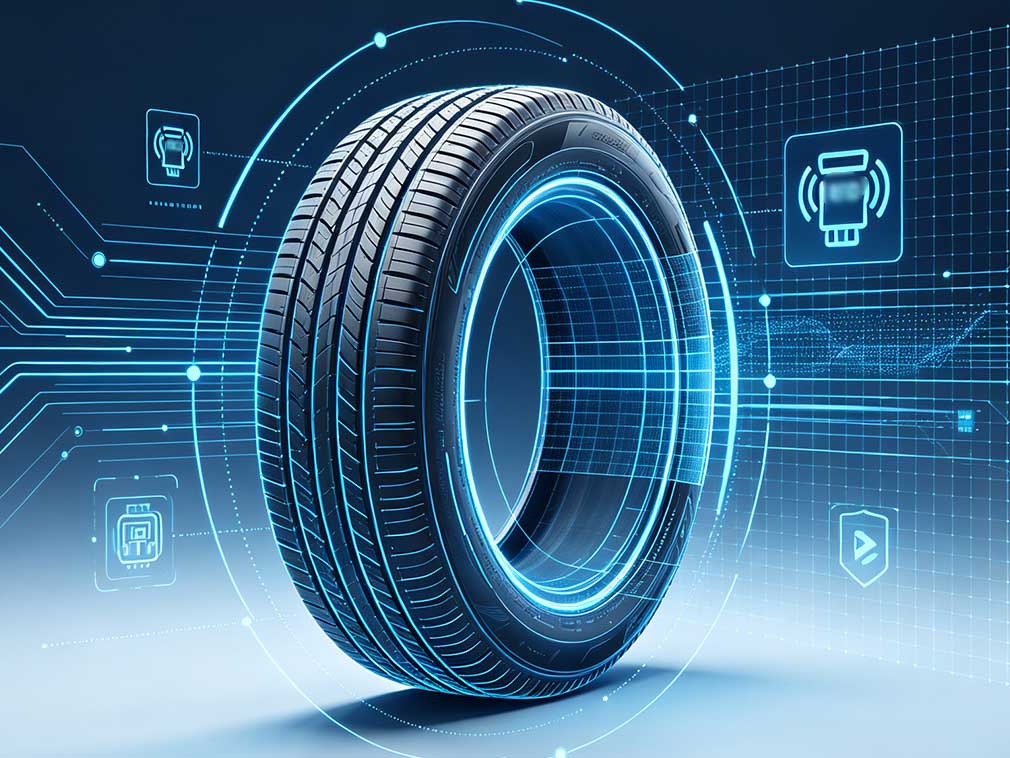
In line with this trend, Nexen Tire is deepening its cooperation with the Global Data Services Organization (GDSO), leveraging standardized data architecture and mature digital technologies to steadily promote the digital upgrade of the entire tire industry chain, creating a data-centric, multi-entity collaborative mobility industry ecosystem, and providing tangible support for industry transformation.
In January 2024, Nexen Tire officially joined the GDSO platform and actively participated in the discussion and formulation of global tire industry digital standards and unified standards, becoming a significant force driving the industry's digital and standardized development. For a long time, the tire industry has faced real problems such as data fragmentation, fragmented information across the industry chain, and difficulties in tracing the entire product chain, hindering the industry's progress towards refinement and standardization.
To address these pain points, Nexen Tire leverages GDSO's global data service capabilities to build a secure, reliable, efficient, and interconnected data exchange system, breaking down information barriers between production, distribution, maintenance, and recycling.
At the 2026 Cologne International Tire Show, Nexen Tire showcased its phased achievements and medium-to-long-term development plans in the field of digital mobility, explicitly stating its commitment to continuously connecting with the data systems of intelligent connected vehicles and smart transportation infrastructure, implementing multiple big data-based smart mobility and green mobility solutions, and driving the industry's digitalization from concept to practical application scenarios.
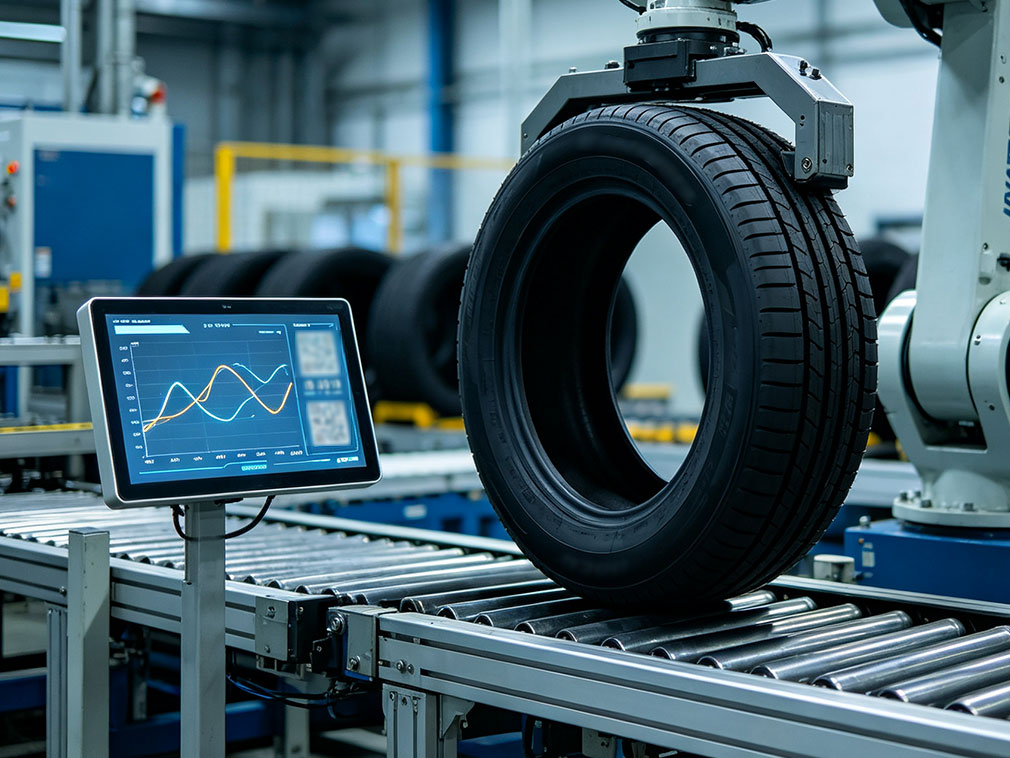
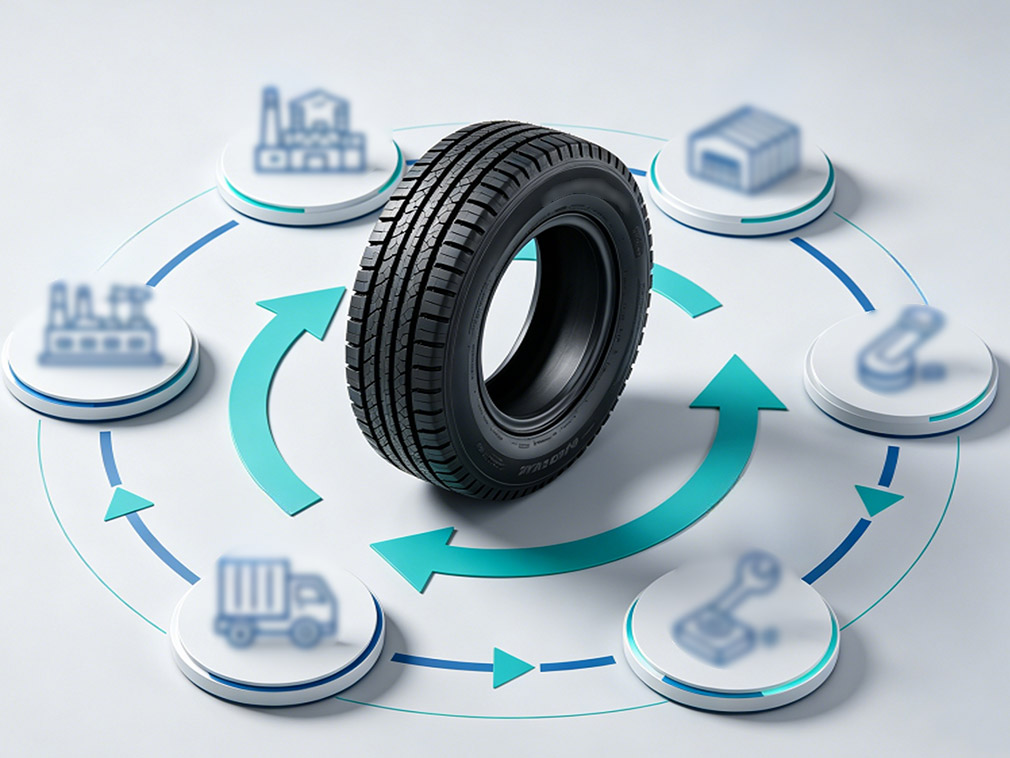
In terms of technology and scenario implementation, Nexen Tire has already deployed RFID technology and its supporting digital identification system on a large scale, establishing a digital management system covering the entire tire lifecycle. This system spans the entire process of product manufacturing, warehousing and logistics, vehicle assembly, routine maintenance, retreading and reuse, and waste resource recycling, creating a unique digital traceability file for each tire.
During the production phase, the system accurately records core data such as raw material ratios, production processes, and quality inspection parameters, controlling quality from the source. In the distribution and loading phase, digital identification tracks the entire product flow path, standardizing market channel order. During maintenance, real-time collection of key data such as tire wear, tire pressure, mileage, and operating load provides private car owners and logistics fleets with precise maintenance reminders and replacement references.
In the recycling and reuse phase, complete lifecycle data helps companies accurately assess the remaining value of tires, optimize waste tire resource utilization and harmless treatment solutions, promote the green and low-carbon transformation of the industry, and thus comprehensively improve the operational efficiency and information transparency of the industrial chain.
Thanks to the continuous iteration and application of digital technology, Nexen Tires has completed the intelligent upgrade of its products, enabling traditional tires to independently collect, store, and transmit data, becoming intelligent interconnected assets that can serve real-time travel scenarios.
To further solidify the foundation of digital operations, the company has introduced generative AI tools, applying intelligent data analysis to core aspects such as product R&D optimization, customer maintenance services, and internal operations management, building a data-driven refined decision-making model that effectively improves operational efficiency and technological innovation efficiency.
Currently, this digital development model has adapted to the core needs of different entities in the industry chain and possesses mature promotional value. For logistics fleets, accurate tire condition data can guide scientific maintenance, reduce vehicle malfunctions, and compress operating costs, for automotive aftermarket service organizations, customized and professional maintenance services can be provided using full-lifecycle tire data; and for industry regulatory departments, standardized traceability data provides an effective tool for compliance supervision, continuously releasing the value of the industry's digital transformation.
The industry generally believes that the transformation towards tire digitalization and assetization will profoundly change the business model and industry landscape of the mobility industry chain, creating new industrial development opportunities.
A representative from Nexen Tire stated that the core of the industry's future high-quality development lies in the reliable flow and efficient collaboration of data across the entire industry chain. Building on its long-term and stable cooperation with GDSO, the company will continue to deepen its efforts in building digital standards for the tire industry, continuously optimize its full lifecycle data management system, and promote data interoperability, technology co-construction, and win-win business models within the global tire industry.
Going forward, Nexen Tire will continue to promote the deep integration of digital technology and tire manufacturing, steadily achieve transparency in industry information, refinement in operations, and normalization of technological innovation, and help the global mobility industry move towards high-quality and sustainable development with a mature, standardized, and intelligent industrial digital ecosystem.






