
Pirelli Tyre-to-Tyre Waste Tire Journey
The European Journey of a Waste Tire: Pirelli's Goal of Turning It Back into a New Tire
On July 22, 2026, Pirelli established a production line, sending German waste tires into an industrial chain that had never been successfully established before. There were three partners: Pyrum for pyrolysis, BASF for chemical intermediates, and Synthos for synthetic rubber. Pirelli itself was responsible for feeding the final rubber back into the tire production line. They called this process "tyre-to-tyre."
It sounds simple. In reality, each segment has its own technical hurdles; the real challenge lies in connecting them.
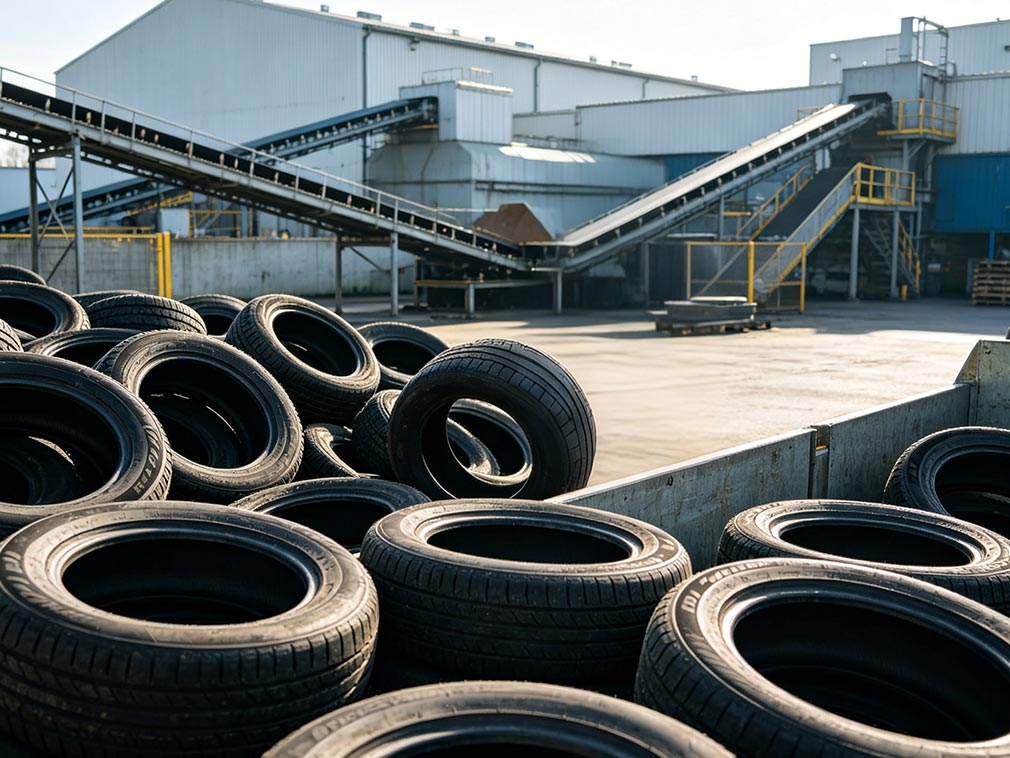
Where do the tires come from? The raw materials come from two sources. First, tires that have reached the end of their lifespan collected throughout Germany, including some from Pirelli Driver retail stores and used tires removed from motorsports events. Second, discarded and substandard tires from Pirelli's own Breuberg plant production lines. The latter are not tires that were discarded because they were old; they were substandard even before leaving the factory.
These tires are fed into an industrial chain aimed at extracting everything usable from each tire, rather than simply burning or landfilling them. The output ultimately receives ISCC PLUS certification, meaning traceability from raw materials to finished products.
Pyrum's segment: Pyrolysis
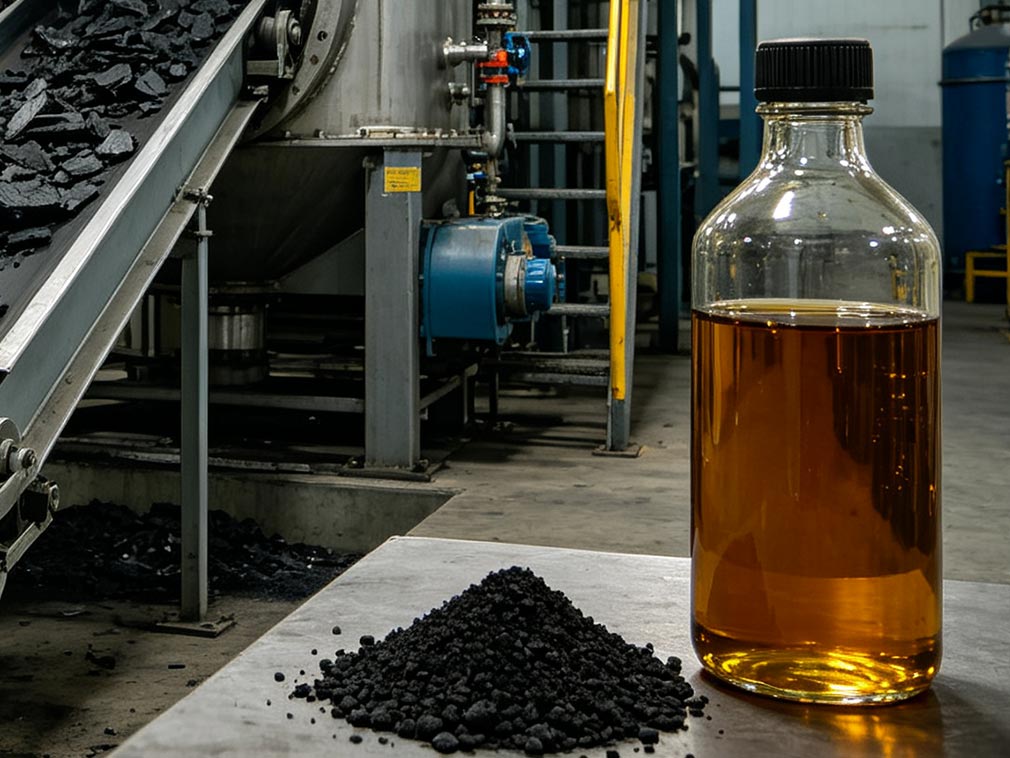
The first link in the chain is Pyrum. This German company has been working on pyrolysis technology since 2008. Simply put, it involves heating tires at high temperatures in an oxygen-free environment, causing the rubber and other components to decompose thermally—without burning or combustion, resulting in almost zero emissions.
Two things are produced after pyrolysis
One is recycled carbon black, colloquially called rCB. Carbon black is one of the most widely used fillers in tires, used to reinforce the rubber. Pyrum upgrades the quality of the recycled carbon black and sends it directly back to Pirelli's European production bases, replacing some of the virgin carbon black derived from fossil fuels.
The other is tire pyrolysis oil, abbreviated as TPO. In this chain, it doesn't return to Pirelli but is sent to BASF.
BASF Section: Chemical Recycling
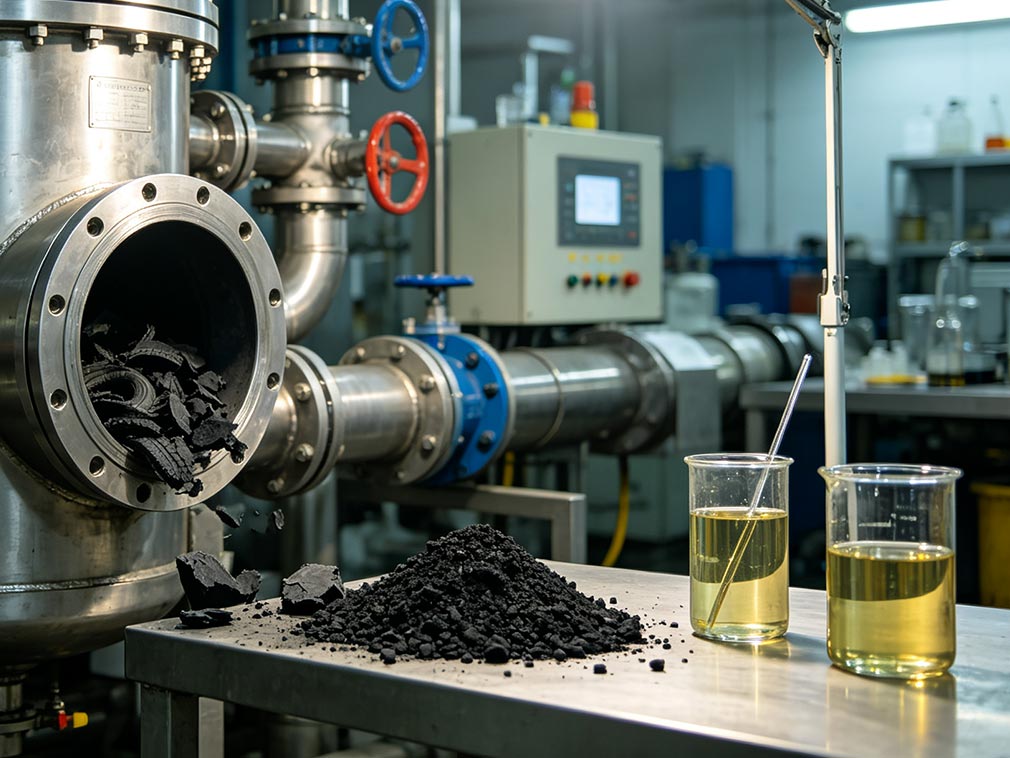
At BASF, the situation becomes more complex. TPO isn't directly used for rubber production; it's treated as a raw material, fed together with fossil-based feedstocks into BASF's existing chemical production lines to produce butadiene and styrene. These two are the basic monomers for synthetic rubber.
A key concept here is "mass balance," which is also the most easily misinterpreted part of the original translation.
The logic is this: recycled TPO and fossil feedstocks are mixed together at the feed inlet into the reactor, and the molecules exiting are indistinguishable. Mass balance is an accounting method that allows you to attribute the recycled material portion to a specific certified product on paper, namely BASF's Ccycled® product line. In other words, it's not that a single batch of goods was physically produced using recycled material, but rather that the entire feed tank contains recycled material, and the corresponding share is recorded under Ccycled® on the books.
This method has received ISCC PLUS certification and has been used in the European chemical and plastics industries for several years. Its advantage is that it allows recycled materials to be integrated into existing large-scale facilities without the need to build a new recycling line; the cost is that it sounds somewhat like "calculated environmental protection," so certification bodies and auditors are very vigilant.
Synthos and the Closed Loop
BASF's Ccycled® intermediates then go downstream to Synthos. This Polish company is one of Europe's leading synthetic rubber manufacturers, using these recycled materials to produce ISCC PLUS certified synthetic rubber specifically for high-performance tires. The rubber then returns to Pirelli, enters the production line, and is made into new tires.
At this point, the loop is closed.
Why Four Companies Need to Work Together?
This is probably the core message of the project itself. A complete tire recycling chain, broken down, cannot be run by any single company alone.
Pyrum has pyrolysis technology but no downstream outlet; BASF has chemical production capacity but doesn't collect waste tires; Synthos can produce rubber but lacks recyclable raw materials; Pirelli can make tires but cannot process its own waste tires. The four companies coming together perfectly cover every segment of the "recycling-pyrolysis-chemical conversion-rubber synthesis-tire manufacturing" chain. Pirelli is leading the effort because it's the one ultimately acquiring the materials and is also one of the raw material sources.
The technological barrier isn't in a single step, but in the interconnectedness. Pyrolysis, chemical recycling, quality balance certification, and synthetic rubber formulation—each step can be done individually, but for recycled materials to successfully navigate the entire process, obtain certification, and ultimately be incorporated into high-performance tire formulations, the four companies need to align their standards and production lines. This is why the press release repeatedly emphasizes "industrial ecosystem" and "complementary expertise"—this isn't just polite talk; it's inherent to the nature of this project.
According to the four companies, this is currently the most complete "tire-to-tire" practice in Europe. Whether it's the most advanced in the industry is debatable, but at least the chain is connected, certifications are complete, and long-term supply agreements have already been signed. Pyrum and Pirelli signed a long-term supply and purchase agreement on July 24th, indicating that this is not just a demonstration project but is intended for industrial-scale implementation.






