
Michelin’s Third Non-Tire Acquisition in 2026
Michelin Completes Acquisition of Tex Tech Industries, Expanding its Specialty Materials Portfolio
On July 1, 2026, Michelin officially completed its acquisition of Tex Tech Industries, a specialty coated fabric manufacturer headquartered in Maine, USA. This acquisition marks Michelin's third non-tire acquisition this year, reflecting its strategy of steadily expanding its advanced polymer composites business.
Founded in 1904, Tex Tech Industries focuses on the research and production of high-performance coated fabrics to meet demanding application requirements. Its products are widely used in aerospace, automotive, industrial fire protection, medical protective equipment, and energy equipment. The company has production facilities in the United States and the United Kingdom and is known for providing lightweight, heat-resistant, flame-retardant, and corrosion-resistant fabric solutions.
This acquisition is another significant step following two transactions in 2026. In January of this year, Michelin acquired Cooley Group, a company that produces high-performance coated fabrics for general industrial applications. In April of this year, Michelin completed its acquisition of Flexitallic, a company that provides sealing solutions for the energy and chemical industries.

With the addition of Tex Tech Industries, Michelin further solidifies its position in the aerospace and other high-specification specialty materials markets. Together, the three companies form a broader composites platform covering the general industrial, energy, and precision engineering markets.
The transaction was funded entirely from Michelin's operating cash flow, requiring no additional debt. Under the integration plan, Tex Tech Industries will retain its core operating team, R&D departments, and production systems, and will continue to operate independently.
The two companies will collaborate in both technology and commercial areas: Michelin's expertise in polymer modification and rubber composites is expected to help optimize coating formulations and develop new applications such as automotive safety materials and thermal management protection for new energy systems.
In return, Tex Tech's specialty protective materials technology in the aerospace sector is expected to help Michelin explore areas such as high-end equipment protection and flame-retardant materials for energy storage.
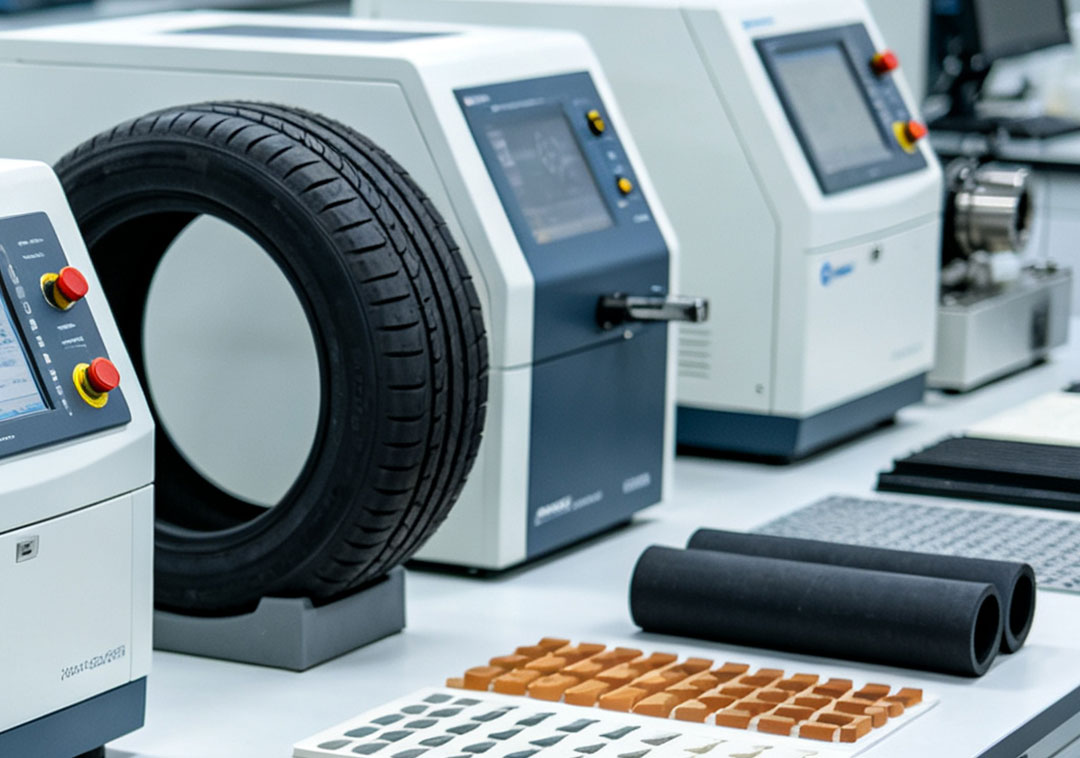
Continued investment in non-tire materials businesses aligns with Michelin's assessment of industry trends. While the traditional tire market fluctuates due to factors such as vehicle demand, raw material costs, and trade policies, non-tire businesses such as specialty composites and industrial seals serve a wider range of downstream applications.
Their demand cycles typically differ from those of passenger car tires, which helps smooth out overall business fluctuations. Furthermore, tire and non-tire businesses share a core polymer technology base, allowing for shared R&D resources and manufacturing technologies, thereby improving cost-effectiveness and profitability.
According to the Group's "Michelin 2030" strategic plan, the company aims to achieve an average annual sales growth of approximately 5% between 2023 and 2030, while increasing the proportion of non-tire and related businesses to 20% to 30% of total sales. Key areas of focus for non-tire businesses include high-performance composites, services and solutions, medical devices, metal additive manufacturing, and hydrogen-related applications. In recent years, the advanced composites sector has attracted the most capital investment and M&A activity.
Through the recent acquisition, Michelin has expanded its high-end composites production capacity in North America and enhanced its ability to supply specialty materials in Europe. Industry insiders believe that the acquisition of Tex Tech marks another important step in Michelin's transformation from a tire manufacturer to a broader provider of polymer composite solutions.
As the synergistic effects of technology gradually emerge, the revenue share of the company's non-tire business is expected to increase, which will help achieve its long-term goals and provide a reference for the diversified development of the tire business.






