
EU Sets Tire Tariffs at 45.3%
Key Information at a Glance
The EU announced its final ruling on July 7th, imposing differentiated anti-dumping duties on relevant Chinese tires starting July 8th.
The duty rates are divided into three tiers: 4.3%, 24.4%, and 45.3%, a decrease from the preliminary ruling.
China's tire exports to the EU are expected to decline by 30%-50% in the short term, with May exports already down 58% year-on-year.
Trade barriers are accelerating industry consolidation, with leading companies relying on overseas production capacity and high-end products to hedge against risks.
The EU's anti-subsidy investigation is proceeding simultaneously, and subsequent policies remain uncertain.
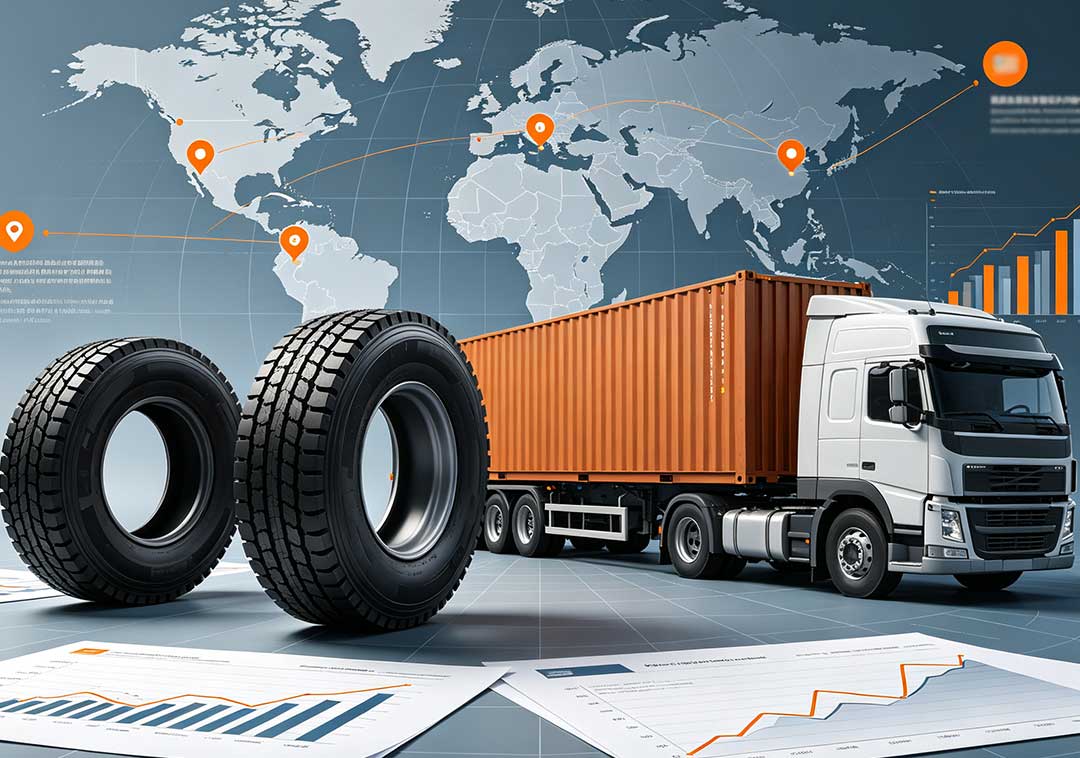
Final Duty Rates and the Effectiveness of the Defenses
This final ruling adopts a tiered taxation approach, comprehensively assessing the company's production capacity in China, EU supply channels, cooperation with the investigation, and the evidence presented in the defense. Compared to the preliminary ruling, the overall duty rates are improved, indicating that the defenses by Chinese companies and industry associations have achieved practical results.
4.3%: Applicable to companies with a low proportion of production capacity in China and mature supporting industries in Europe and overseas.
24.4%: Applicable to leading domestic companies and some compliant foreign-invested enterprises that actively responded to the investigation and cooperated with the verification.
45.3%: Applicable to companies that did not participate in the investigation or whose cooperation was insufficient; the highest tax rate has been reduced from 52%.
The European Commission confirmed in its ruling that the tax rate adjustment took into account revisions to import prices, raw material costs, and production accounting data, and accepted the valid evidence and compliance opinions submitted by the China Rubber Industry Association and the responding companies.
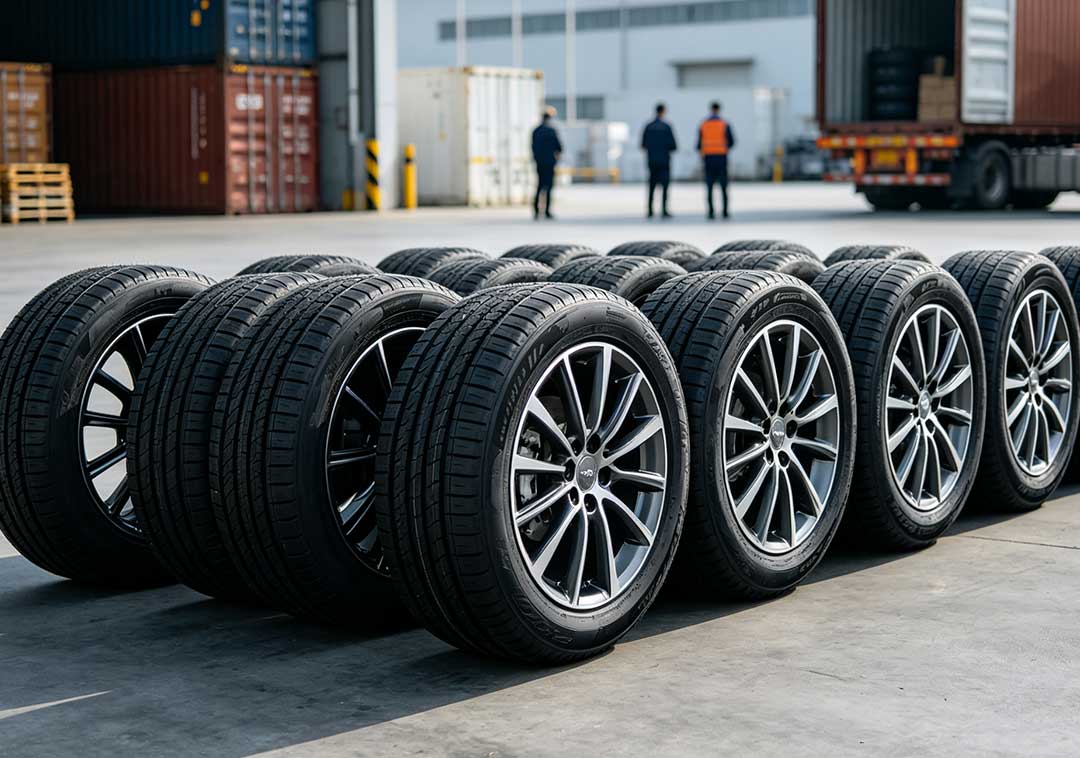
Short-term pressure on exports to the EU
The EU has historically been one of China's largest export markets for passenger car and light truck tires. In 2025, exports to the EU exceeded 130 million tires, with a trade value of approximately US$3.5 billion, accounting for more than 40% of the total exports of similar products. The implementation of anti-dumping duties directly increases export costs and weakens price competitiveness.
Industry research institutions generally predict that the scale of exports to the EU may experience a temporary decline of 30%-50% in the short term. Leading indicators are already showing signs: Due to survey uncertainties and market uncertainty, tire exports to Europe in May 2026 plummeted by 58% year-on-year, with the impact already released ahead of schedule.
Capacity Contradictions and Industry Consolidation
Tariff barriers coupled with stable domestic demand growth have accelerated the return of excess capacity that the domestic tire industry has long relied on overseas markets for, further exacerbating domestic overcapacity. Small and medium-sized tire companies are facing particularly difficult circumstances, struggling with both narrowing export channels and intensified domestic competition, leading to increased risks of irrational low-price competition.
Companies lacking core technologies, brand power, and overseas production capacity will see their survival space rapidly shrink, and the pace of industry consolidation and structural elimination will accelerate significantly.
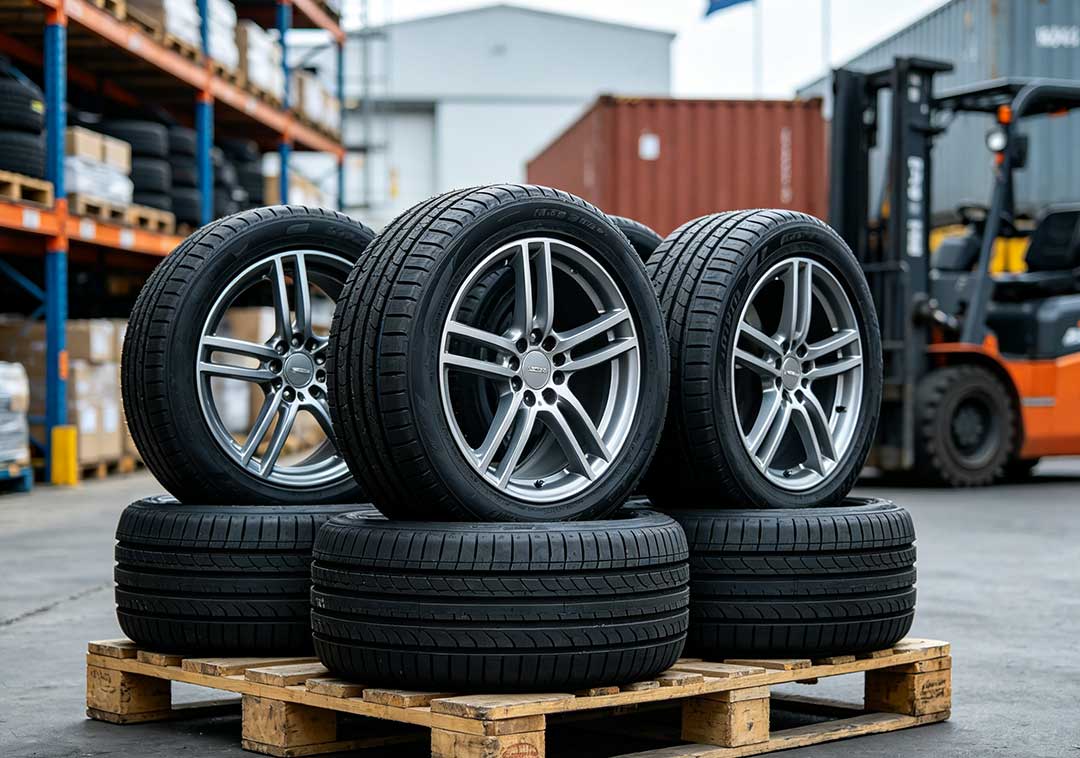
Globalization Hedging by Leading Companies
Faced with changes in the trade environment, leading tire companies have already built global production capacity systems. Projects such as Zhongce Rubber's Vietnam base, Sailun Tire's Egypt factory, and Linglong Tire's overseas supporting production capacity are already operating stably, directly supplying European and overseas markets, effectively mitigating the cost pressure brought by anti-dumping duties.
Meanwhile, these companies continue to increase R&D investment, focusing on high-end categories such as high-performance, low rolling resistance, and energy-saving tires, improving technological content and added value, and shifting from low-price exports to overcoming trade barriers through quality, technology, and compliant production.
Subsequent Risks and Long-Term Transformation
It is worth noting that the EU's anti-subsidy investigation into Chinese tires is proceeding simultaneously, and there may still be policy adjustments and further verifications. External uncertainties have not been eliminated. Chinese industry associations are coordinating industry resources to build a joint response and risk warning platform, improve trade friction response mechanisms, and guide the industry to standardize exports.
In the long term, short-term trade barriers are forcing the Chinese tire industry to move away from extensive expansion and towards high-end, intelligent, and global development. This process will accelerate the elimination of inefficient production capacity, optimize the industrial structure, and promote the transformation of Chinese tires from large-scale exports to the export of technology, brands, and quality, gradually building a more resilient global industrial system.






