
Hankook Tire to expand again
Hankook Tire's Tennessee Plant Expansion Line Officially Commences Production, Providing Localized Original Equipment Tires for Electric Pickup Trucks and SUVs in North America
Hankook Tire recently confirmed that its manufacturing base in Clarksville, Tennessee, has completed its latest round of capacity expansion and will officially commence production on July 10, 2026. The core mission of the new production line is to provide original equipment tires for electric pickup trucks and large SUVs assembled in North America, while simultaneously improving the company's localized supply chain in North America and offsetting export gaps caused by trade barriers to China.
This production line is part of the third phase of the Clarksville plant's expansion project. According to Hankook's announcement, this phase of investment is approximately $1.6 billion, with the new production line designed to produce approximately 1 million tires per year, primarily focusing on 18-inch to 22-inch large-size passenger car and light truck tires.
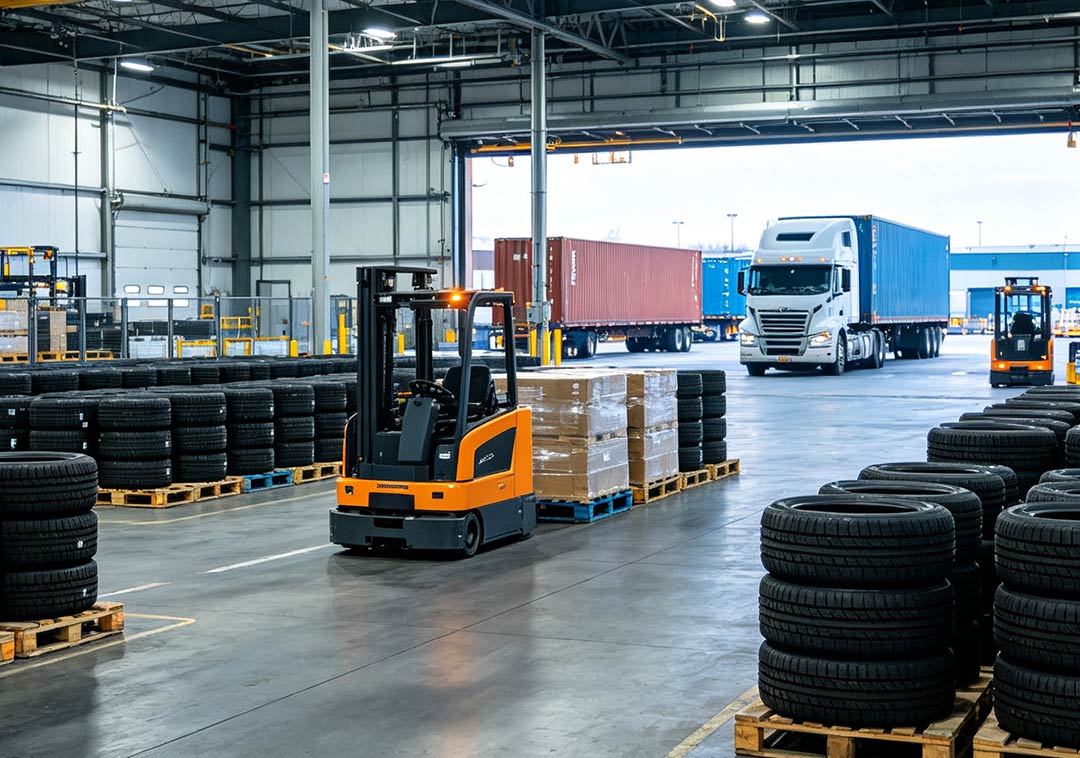
These sizes precisely meet the original equipment demand of the currently popular electric pickup trucks and large SUVs in the North American market. With the new production line operational, the overall supply capacity of the Tennessee plant has been significantly enhanced, and Hankook's share of production capacity in North American tire manufacturing has also increased.
Hankook stated that the new production line will prioritize original equipment tires for electric pickup trucks and all-electric SUVs in North America. Compared to conventional internal combustion engine vehicles, all-electric pickup trucks, due to their heavy-duty batteries, have a significantly increased curb weight, placing more stringent technical requirements on tire load-bearing capacity, rolling resistance control, and cabin noise reduction.
To address these needs, the tires produced on this line utilize low rolling resistance rubber compounds, optimized tread patterns, and some specifications even integrate noise reduction solutions such as sound-absorbing foam, striving for a practical balance between load-bearing capacity, energy efficiency, and ride comfort. Previously, Hankook had already secured original equipment supplier status for the Ford F-150 Lightning electric pickup truck, supplying it with original equipment tires.
Similar partnerships are also underway for large electric vehicles such as the GM Hummer EV and Chevrolet Silverado EV. The Tennessee plant's proximity to the assembly bases of multiple vehicle manufacturers significantly shortens engineering verification, technical adjustments, and supply response times, contributing to a competitive edge in securing more original equipment manufacturer (OEM) projects.
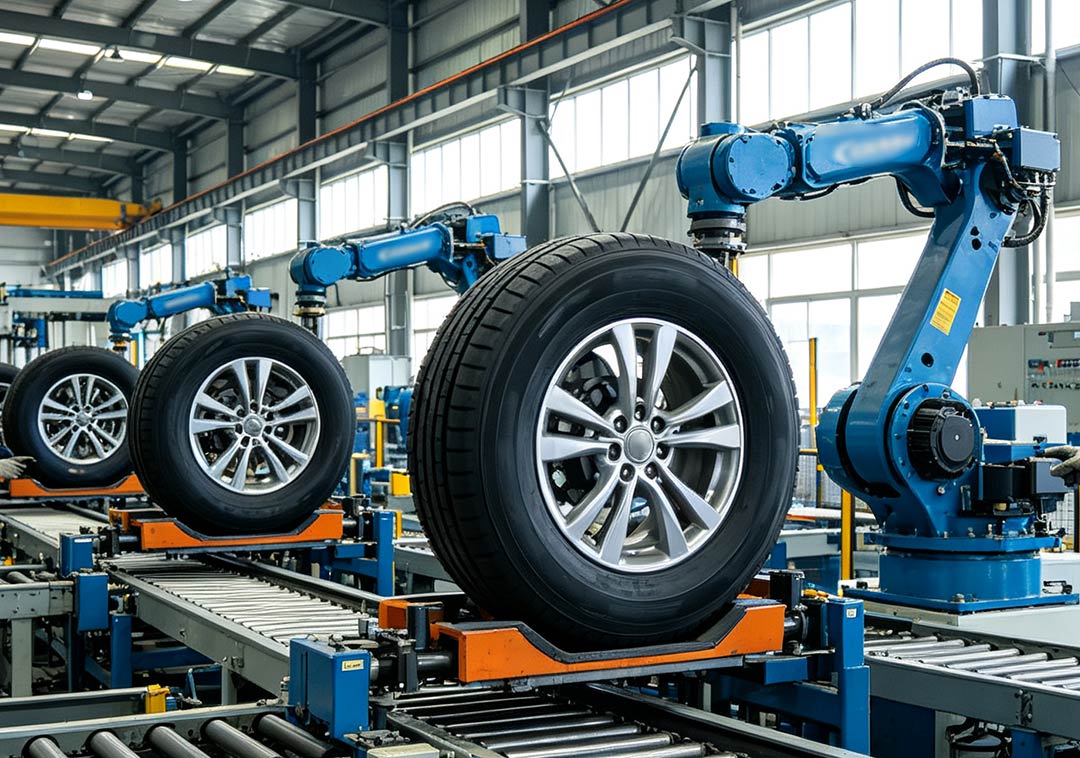
From a supply chain trade compliance perspective, the value of localized production is equally clear. For years, the U.S. has maintained high anti-dumping and countervailing duties on passenger car and light truck tires originating from China, with some manufacturers facing combined additional tariffs exceeding 30% for extended periods.
Hankook has multiple production bases in China, which previously covered a significant proportion of its North American exports. Faced with high tariffs, the cost structure of directly exporting tires from China to the U.S. market has deteriorated significantly, effectively narrowing the export channel. The expansion of the Tennessee plant is a targeted effort to fill this supply gap. Manufacturing in the U.S. allows products to bypass punitive tariffs and achieve delivery at a more predictable cost.
This arrangement not only ensures a stable supply to existing OEM customers but also enables Hankook to offer domestically produced supply solutions unaffected by additional trade taxes to replacement market partners, improving the certainty and cost control of the overall supply strategy.
Localized supply also aligns with the macro-trend of the North American automotive industry's shift towards closer proximity. Influenced by supply chain security policies and regulations, North American automakers are increasingly demanding localized manufacturing capabilities from their suppliers. The Clarksville plant possesses a natural locational advantage, being within a day's drive of the North American assembly bases of GM, Ford, Volkswagen, and many other automakers.
This proximity provides tangible benefits during the supplier selection phase, including improved delivery times, logistics costs, and risk mitigation. Hankook, by continuously expanding its US production capacity, has directly embedded its manufacturing in the heart of the North American automotive industry, aligning with the trend of regionalized industrial development and securing more business opportunities during this period of global supply chain adjustments.

Currently, the new production line at the Tennessee plant is ramping up production, with most of the new positions already filled. As orders for electric pickup trucks and all-electric SUVs continue to be fulfilled in North America, the plant will shoulder an even heavier supply burden.
For North American automakers seeking stable original equipment tire supply channels, as well as distributors engaged in tire replacement, the plant's increased localized capacity offers more controllable and transparent supply options. Hankook stated that it will proceed in an orderly manner to achieve the target operating efficiency of the production line based on actual market demand, and will maintain close delivery communication with customers.






