
Chinese Tires in the US: A Strategic Shift
Has the continued decline in exports to the US truly squeezed Chinese tires out of the American market?
Looking solely at domestic customs export statistics, it's easy to get the impression that Chinese tires are steadily losing ground in the US market, their market share being rapidly eroded. In recent years, the number of domestically produced tires shipped directly to the US has indeed shrunk, leading many market observers to conclude that Chinese tires may be "saying goodbye" to the US.
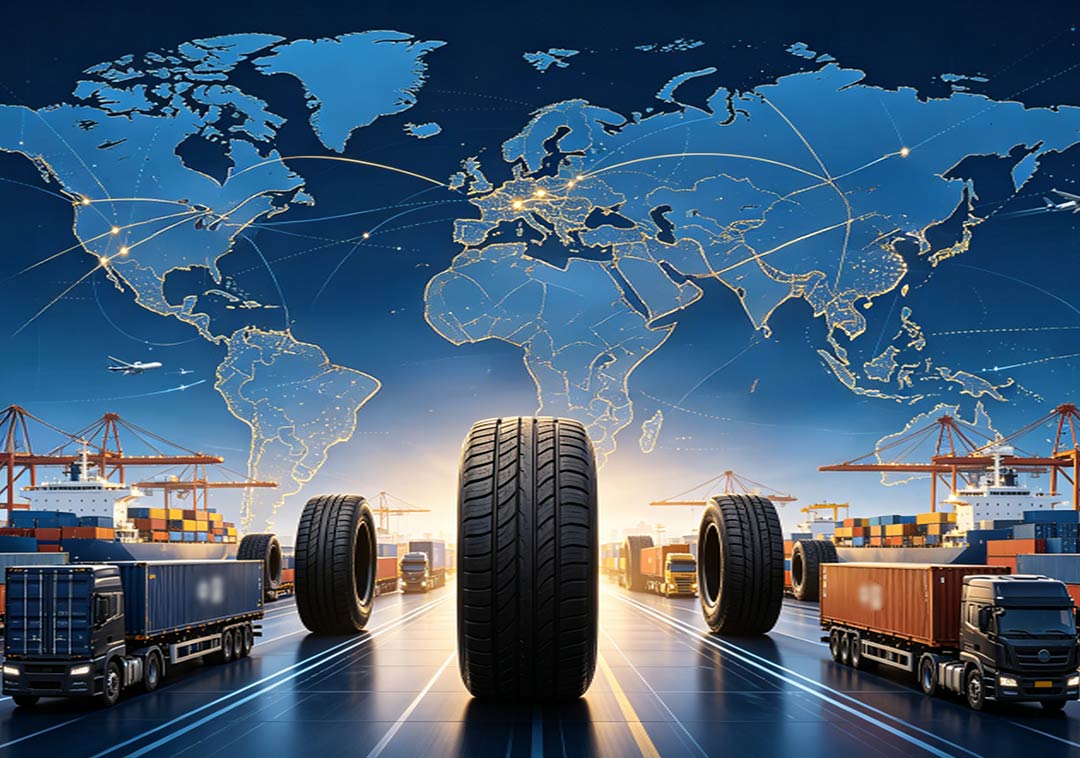
However, a closer look at US customs import data and a global tire production capacity distribution map reveals a completely different story—Chinese tires haven't withdrawn from the US; they've simply adopted a completely different strategy.
For a long time, the US has erected extremely high trade barriers for tires produced in China. The overlapping anti-dumping and countervailing duties have almost completely eliminated the cost advantage of tires exported directly from China.
Faced with these entrenched tariffs, leading domestic tire companies did not choose to cling to the old path of "Made in China, Directly Exported to the US," but instead proactively shifted their production capacity overseas. This isn't an industry contraction, but rather companies actively removing barriers and replacing the single-origin export model with globalized production.
The most obvious change has occurred in the source countries of US tire imports. According to U.S. Customs import data, Thailand, Vietnam, and Cambodia have become major suppliers of tires to the United States. A significant portion of these Southeast Asian factories are invested in, controlled, and operated by Chinese companies.
Industry research shows that Chinese capital accounts for over 30% of tire production capacity in Thailand, Vietnam, and Cambodia, and in some core production areas, this figure approaches half. In other words, many tires on the U.S. market labeled "Made in Thailand" or "Made in Vietnam" utilize Chinese companies for their technical standards, production management, and quality control systems; essentially, they represent an extension of Chinese tire production capacity overseas.
The products are simply given a different country of origin label, bypassing the high tariffs imposed on China, and continuing to enter American consumers' garages.
This strategy is well-considered. Zhongce Rubber's tire project in Vietnam represents an investment of over one billion yuan, with a planned annual production capacity of 5 million semi-steel radial tires, targeting markets including the United States. Triangle Tire's high-performance tire production base in Cambodia represents a total investment of 3.219 billion yuan, with a designed annual production capacity of 7 million radial tires.
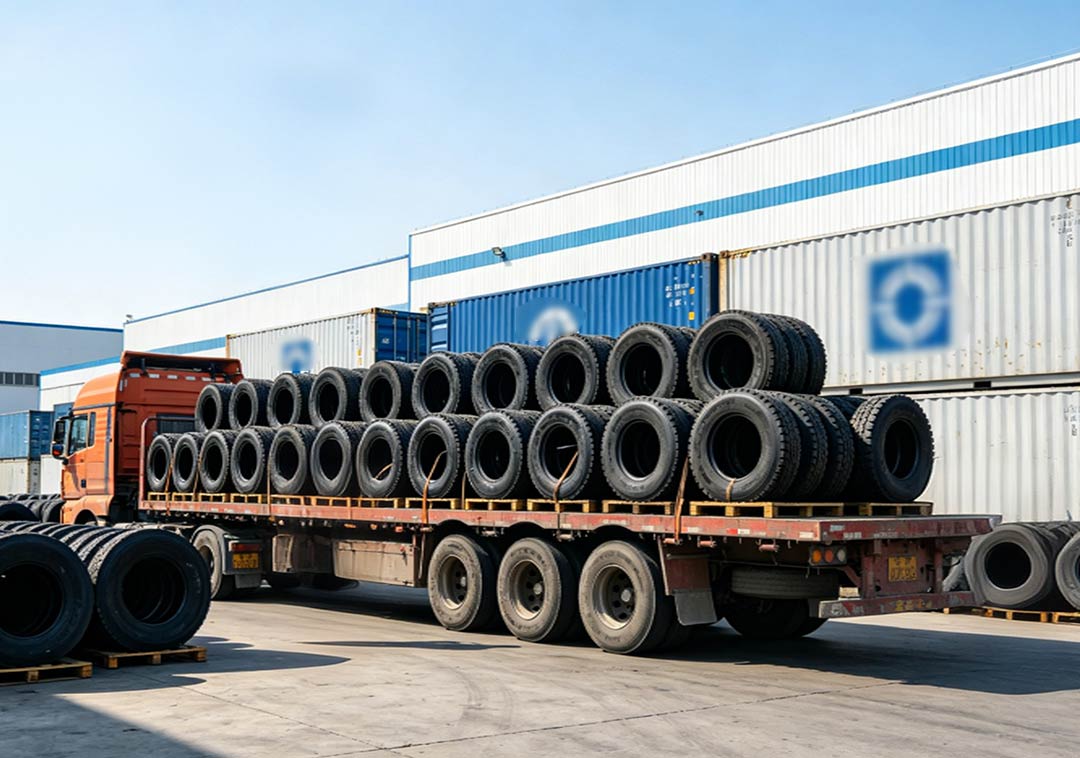
Meanwhile, companies like Sailun Tire, Linglong Tire, and General Tire are simultaneously upgrading and expanding their bases in Vietnam and Thailand, while extending their production networks to Serbia, Indonesia, Mexico, and other locations, forming a multi-point supported global production pattern. By the end of 2025, more than 20 large-scale tire companies in China had built and put into operation over 30 specialized production bases in 15 countries and regions, with overall overseas production capacity still steadily increasing.
Chinese companies' concentrated investment in Southeast Asia is driven by three practical considerations. First, there's the advantage of raw materials. Southeast Asia is the "home" of global natural rubber, allowing factories to be located directly near raw material sources, effectively reducing procurement and transportation costs and mitigating the risks associated with significant rubber price fluctuations and cross-border logistics disruptions.
Second, there are the overall production costs. Local labor and land costs are relatively low, and the gradually developing tire industry infrastructure makes overall manufacturing costs controllable. However, the most crucial driving force is the trade policy dividend. Thailand, Vietnam, and Cambodia currently enjoy relatively lenient tariff arrangements for tire exports to the US, with some even enjoying zero-tariff treatment.
The same tire exported from China to the US may be subject to heavy anti-dumping and countervailing duties; however, shipping from Southeast Asian factories managed by Chinese companies significantly reduces tariff costs and offers more stable distribution channels.
Furthermore, Southeast Asia's geographical proximity and mature cross-border logistics allow companies to continue leveraging China's strong R&D and core component supply chains to achieve synergistic production capacity and technological exchange both domestically and internationally.
Therefore, the continued decline in domestic exports to the US is not a signal of market loss, but rather an inevitable statistical phenomenon accompanying the shift of China's tire industry from traditional product exports to a new phase of globalized production capacity layout and brand operation.
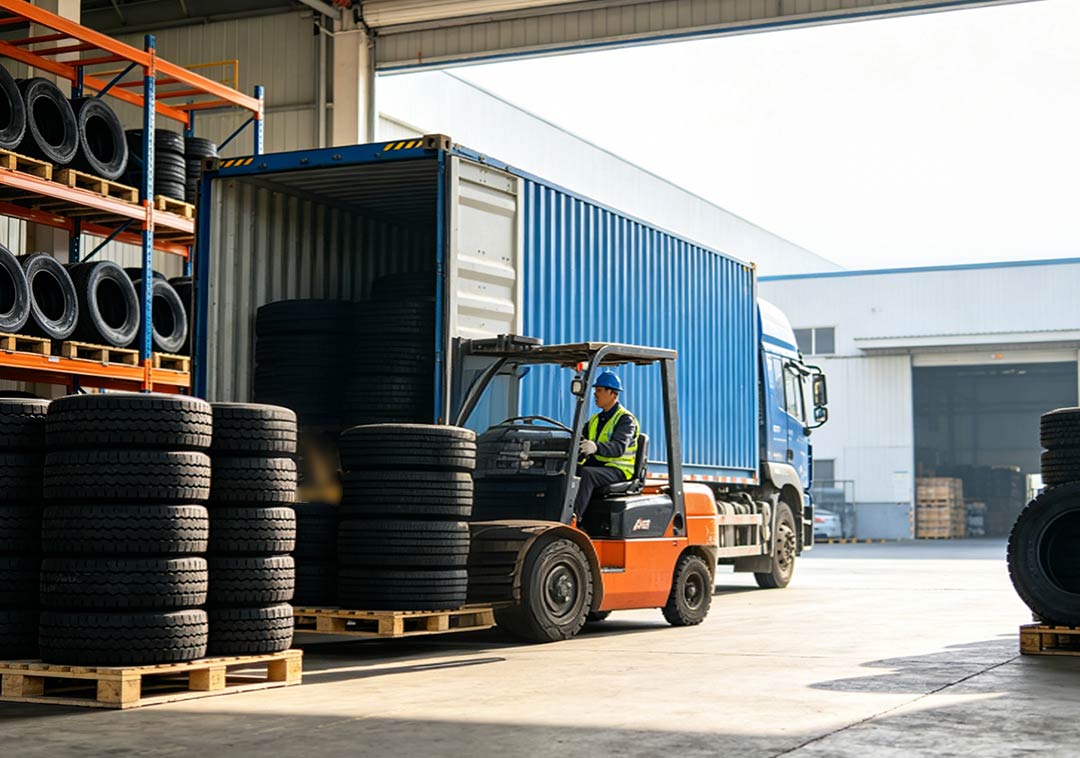
Traditional export figures only count direct shipments within the national border, failing to fully reflect the actual global market presence of China's tire industry. The output from overseas bases has filled the gap caused by the decline in domestic export data and is even expanding its market share.
Applying old indicators to the new landscape will inevitably lead to the misjudgment of "retreat." The reality is that Chinese tire companies, through global resource integration and proactive capacity reallocation, have avoided the trade friction risks associated with a single production location or market, and have instead strengthened their foothold in the US market.
Behind this lies the ability of China's manufacturing industry to quickly adapt and adjust to changes in the external environment—in the past, it was about selling tires; now, it's about adopting a more resilient approach to continue selling tires to the world's core markets.






