
Small Tire Makers Face Pressure 2026
Global Tire Market Outlook for the First Half of 2026: Contracting Original Equipment Demand, Limited Support from Replacement Tires
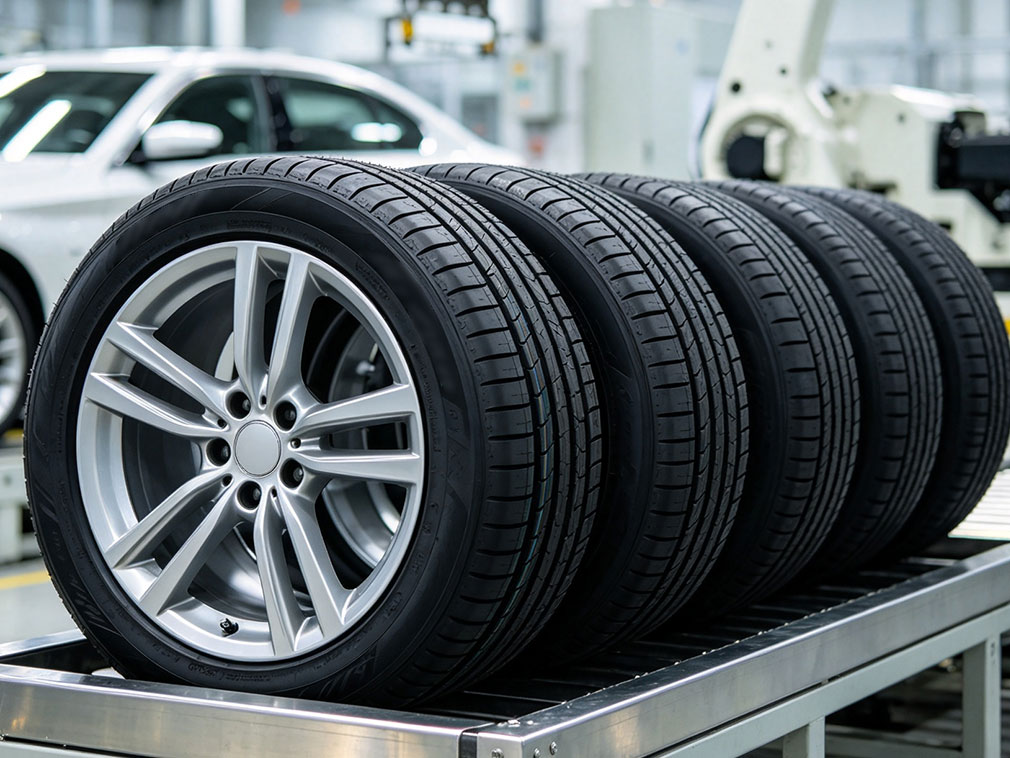
In the first six months of 2026, overall global tire market demand fell short of expectations. Passenger car tires, light truck tires, and heavy truck tires all showed weakness, with the decline in original equipment (OEM) demand being the primary drag on the industry. Industry statistics show that global original equipment orders for passenger car and light truck tires continued to shrink, with May sales declining by 3% year-on-year, indicating no signs of a reversal in the weakness of the OEM market.

Domestic Market: Fading Policy Effects, Dual Pressure from Inventory and Demand
The pressure on the domestic tire market is more concentrated. After the new vehicle purchase subsidy policy was phased out at the end of 2025, the stimulating effect on end-consumer demand significantly diminished. Automakers subsequently tightened production plans, leading to a decrease in capacity utilization, directly reflected in a contraction in total OEM tire orders. Currently, the industry has entered a phase of "weak demand for all-steel tires and a deeper decline for semi-steel tires."
Looking at the individual sectors, demand for all-steel tires for heavy-duty trucks and construction machinery commercial vehicles remained low due to low logistics activity and slow infrastructure project commencement and funding availability. Semi-steel tires faced an even more difficult situation: on the one hand, new vehicle sales had not stabilized, and on the other hand, automakers' inventory backlog had not been fully digested. Squeezed from both ends, the reduction in orders for semi-steel tires was the most significant among all tire types in the first half of the year.
The pressure on the distribution channels is equally significant. As of the end of May, the inventory turnover days for domestic semi-steel tires rose to 45.41 days, with dealer inventory remaining high. To alleviate capital tied up, distributors generally adopted price reduction and promotional strategies. This process continued to be transmitted upstream, further weakening the profit margins of tire manufacturers and increasing the overall operating pressure on the industry.
Overseas Markets: Weak Performance in Europe and America Limited Improvement for Truck Tires
The performance of overseas markets was also weak. In the two core regions of North America and Europe, automakers generally adopted a cautious production attitude in the first half of the year. Affected by factors such as macroeconomic uncertainties, sticky inflation, and slow recovery in household purchasing power, production capacity release has maintained a conservative pace, resulting in continued weak demand for original equipment (OEM) tires for passenger cars and light trucks.
The situation in the truck tire sector is more complex. Globally, overall demand for heavy-duty truck OEM tires remains on a downward trend. While the European market saw a slight year-on-year increase in OEM sales of heavy-duty truck tires, this figure is mainly due to a technical rebound caused by the exceptionally low base in the same period of 2025, rather than a genuine recovery in end-user demand.
The North American market exhibits a similar discrepancy between appearance and reality. Local heavy-duty truck end-user sales have seen a slight recovery for six consecutive months, but this recovery has almost entirely relied on digesting previously accumulated vehicle inventory, failing to effectively drive new capacity deployment and new order generation. With no improvement on the production side, OEM tire demand remains at a low level. The underlying reason is the sluggish global logistics and freight demand, and the low willingness of fleet operators to replace vehicles; this constraint is unlikely to fundamentally change in the short term.
Company Performance: Resilience of Leading Companies vs. Dilemmas of SMEs
The industry downturn has clearly differentiated companies. Michelin's recent market analysis for the first half of 2026 confirms the overall weakening of global original equipment tire demand. Benefiting from its global footprint, mature high-end product portfolio, and more stable supply chain, leading companies like Michelin have demonstrated strong counter-cyclical capabilities and relatively stable operations, but they also acknowledge significant structural pressures within the industry.
The situation is far more severe for many small and medium-sized tire companies. These companies are generally concentrated in the low-to-mid-end original equipment and replacement markets, with low product differentiation and very limited bargaining power. Under the combined impact of shrinking overall demand, channel inventory buildup, and intensified market price competition, small and medium-sized manufacturers generally face multiple predicaments, including insufficient orders, meager profits, and excessive capital tied up in inventory, resulting in significantly greater operational pressure than leading companies.
Replacement Market: Stabilizing the Base, but Unable to Reverse the Overall Situation
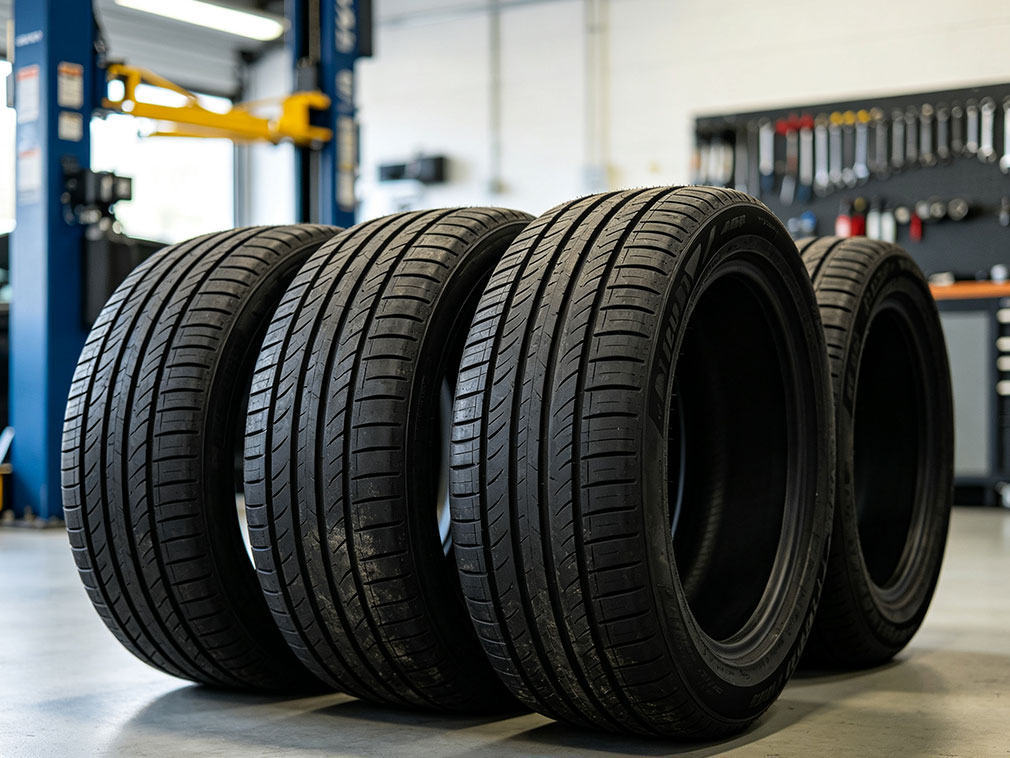
In contrast to the continued contraction of the original equipment market, global tire replacement demand remained relatively stable in the first half of the year, becoming the main force supporting the industry's fundamentals. However, the demand elasticity in the replacement market is relatively low, and the incremental space is limited, far from sufficient to make up for the demand gap left by the original equipment market.
Currently, the global automotive industry is still in an adjustment cycle, the macroeconomic recovery is weak, and the effects of previous domestic stimulus policies have faded. These factors combined mean that the overall weak performance of the tire market will continue in the short term.
It is foreseeable that during this process, the market, customers, and resources will further concentrate on companies with advantages in products, brands, and channels. Industry consolidation and shakeout will accelerate, and the survival and development challenges faced by small and medium-sized tire companies will continue to deepen.






