Green Tires Balance Safety and Decarbonization
Balancing rolling resistance and wet grip is an unavoidable challenge in tire decarbonization and safety upgrades. The partial replacement of carbon black with precipitated silica in passenger car tires has essentially paved the way, resolving the previous dilemma of conflicting demands for low rolling resistance, high wear resistance, and strong grip.
In the commercial vehicle sector, with energy-saving regulations in place and logistics companies paying closer attention to fuel consumption, the greening of truck and bus tire formulations has been prioritized. Changes in formulation necessitate adjustments to raw material procurement structures, additive systems, and production processes. The entire industry is shifting from the traditional carbon black-dominated reinforcement approach to sustainable solutions based on low-carbon, multi-component combinations.
Passenger Car Tires: Precipitated Silica Penetration Exceeds 65%
Highly dispersed precipitated silica composite formulations are now the mainstream configuration for passenger car tires, no longer an option. Compared to pure carbon black systems, precipitated silica, with its nanoporous structure and surface silanol groups, can reduce rolling resistance by 15% to 30%, while simultaneously improving wet braking. This characteristic perfectly aligns with the stringent requirements of new energy vehicles for range, safety, and NVH (noise, vibration, and harshness).
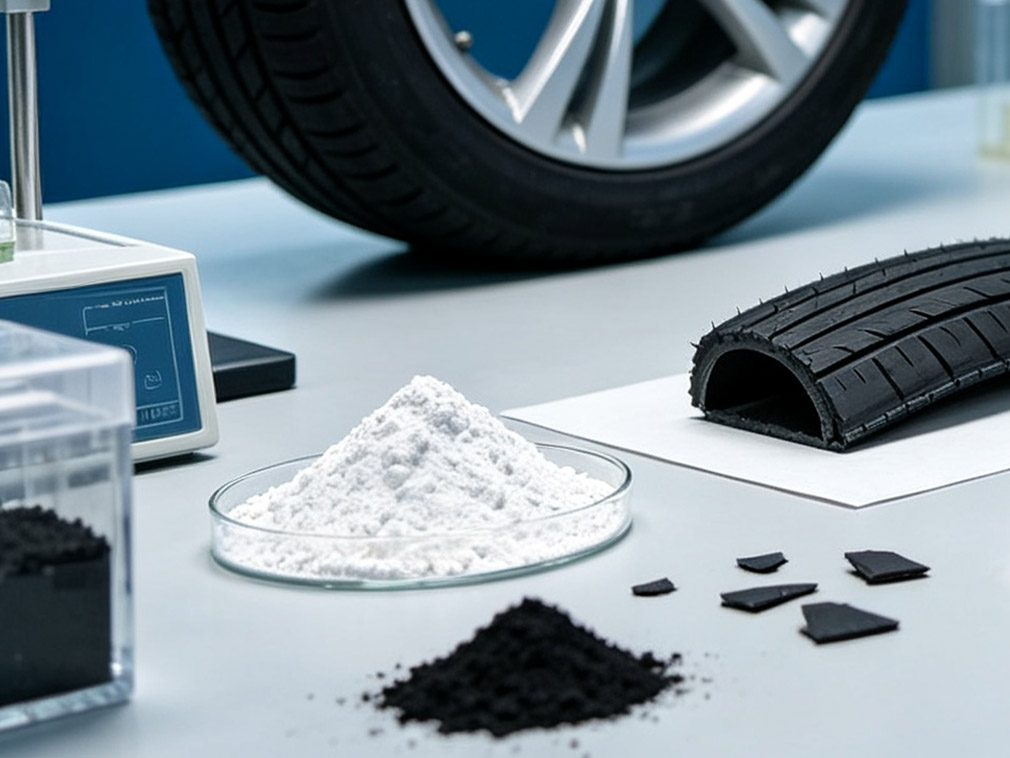
Industry testing data from 2025 speaks for itself: in domestically sold green passenger car tires, the application rate of silica (white carbon black) has exceeded 65%. Leading companies have iterated to third-generation green formulas, with silica usage in the tread compound consistently between 45% and 52%, achieving a rolling resistance coefficient of 6.2–6.9 N/kN, directly meeting the EU ECE R117 Phase II certification requirements. Michelin, Goodyear, and high-end products from mainstream domestic brands can add up to 70% silica, a level that solidifies its position as a key reinforcing material.
Truck and Bus Tires: Carbon Black + Silica Compound, Maintaining Bottom Line While Extruding Fuel Efficiency
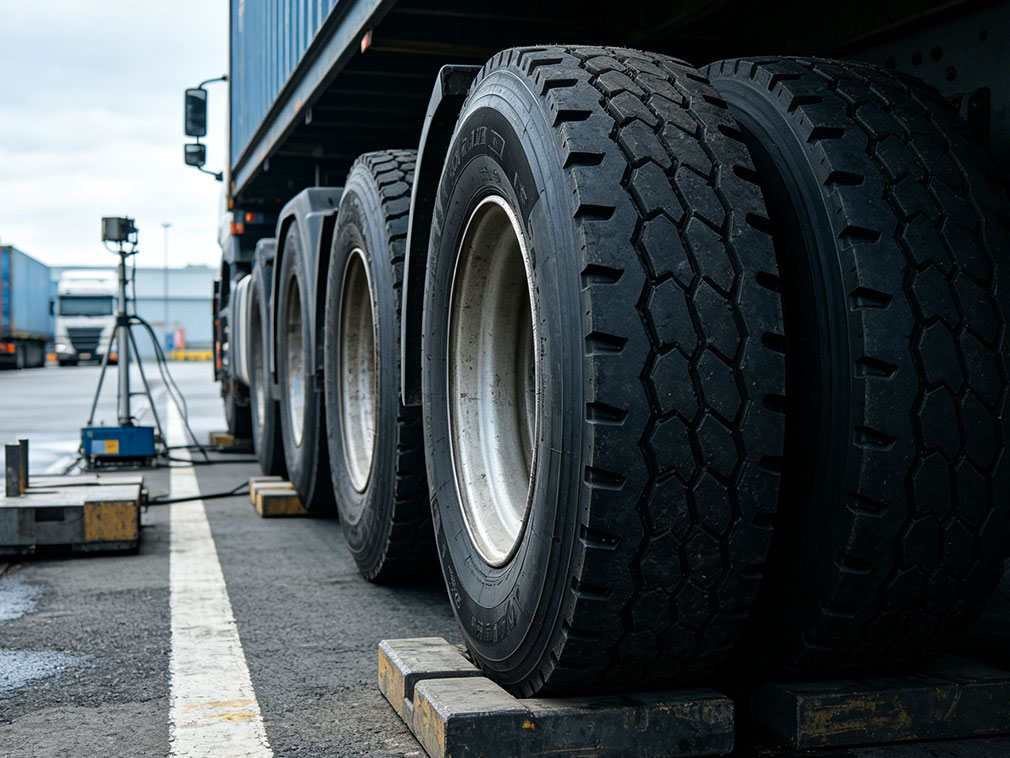
Truck and bus tires have always faced heavy-duty conditions, and their formulas are traditionally carbon black-based, prioritizing wear resistance and load-bearing capacity in their design, with fuel efficiency being a secondary consideration.
However, in recent years, the logistics industry has become increasingly focused on fuel costs, leading to a significant increase in interest from fleets and OEMs in low rolling resistance tires. The industry-standard "carbon black + highly dispersed silica" compound formulation offers direct benefits: it maintains core performance indicators like load capacity, abrasion resistance, and tear resistance without compromising performance, while significantly reducing rolling resistance.
For long-haul logistics, even a one or two percentage point improvement in rolling resistance, multiplied by annual mileage, translates into visible fuel cost savings. This shift is already reflected in procurement—the demand for silica and functional rubber base materials is increasing, while the share of traditional general-purpose carbon black is shrinking.
Silica itself is difficult to disperse and has limited compatibility with rubber, which creates opportunities for upgrading silane coupling agents, dispersants, activators, and other additives, propelling them towards high-activity, low-volatility, and highly compatible specialized applications.
Next Step: Recycled Carbon Black and Bio-based Fillers from Experimentation to Production Lines
Looking ahead, the entire industry is moving towards low-carbon circularity. Recycled carbon black and bio-based fillers are no longer just theoretical concepts; they have entered industrial-scale trials and become a leading direction for long-term tire formulation upgrades.
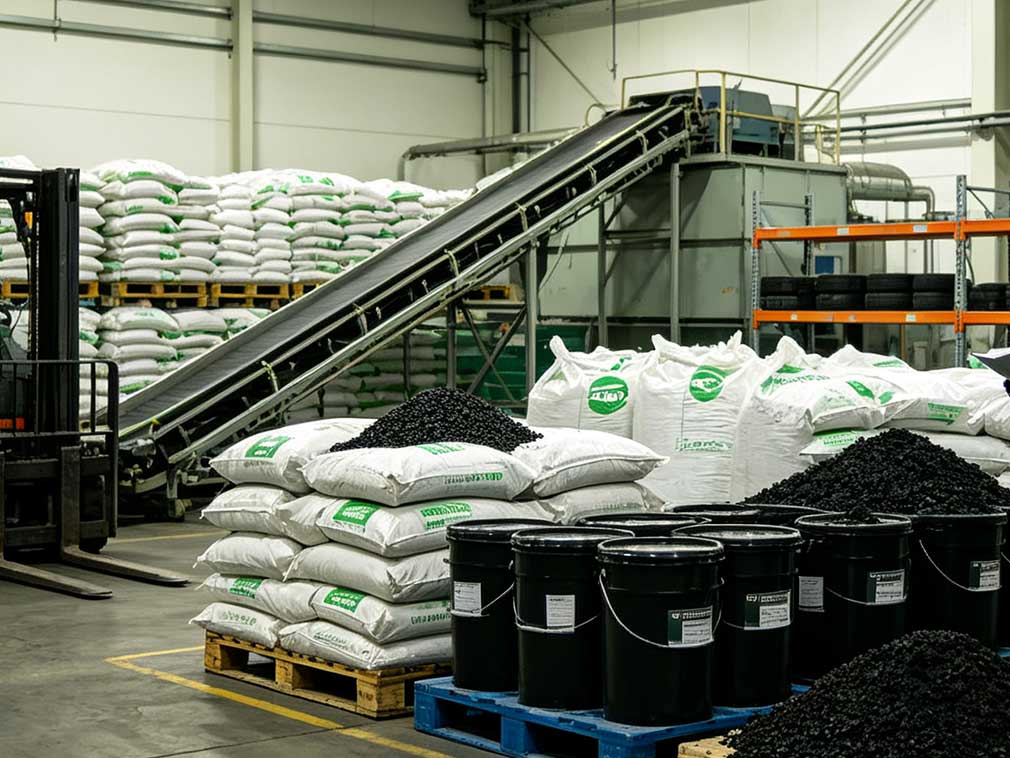
Recycled carbon black, produced from the pyrolysis of waste tires, can utilize solid waste while reducing carbon emissions and raw material costs in tire production. Bio-based materials such as lignin and starch are also gradually replacing some traditional inorganic fillers.
Realistically, these materials are still in the ramp-up phase of industrialization; there are still many hurdles to overcome in terms of powder batch stability, dispersion processes, and large-scale production equipment, and they are still some distance from mass production and vehicle installation. However, major global tire companies have already conducted research and pilot-scale testing, which is key to the next round of formula breakthroughs.
The raw material side is also addressing shortcomings in the green supply chain. In 2026, companies like Solvay put into operation waste sand-based silica production lines, using industrial waste to produce compliant green silica, further filling the gap in green material supply.
The EU sets the rules, emerging markets build the foundation
The progress and entry standards for green tire production vary significantly across different regions globally, forming a tiered structure. The EU's low-carbon regulations and tire energy efficiency labeling system are quite mature, and the limits on rolling resistance, wet grip, and noise are continuously tightening, forcing material technology to iterate round after round.
In 2026, two major European industry associations issued a special industry opinion, reaffirming the core value of silica in green tire production and preventing misconceptions from interfering with normal supply during policy implementation.
In emerging markets such as the Gulf region, Southeast Asia, and Latin America, the current focus is on product safety compliance, local certification, and cost control. Requirements for low carbon emissions and low rolling resistance are more lenient, naturally slowing the penetration of green compound tires.
This regional differentiation means that tire companies must customize formulations and material solutions for different markets, repackaging and combining safety, durability, and low-carbon attributes to steadily advance the global green transformation.