
Cambodia Tire Industry Global Expansion
Cambodia's rise to the top three in the US replacement tire market was directly triggered by the US's anti-dumping and countervailing duties on Southeast Asian tires. In 2021, the US imposed anti-dumping and countervailing duties on passenger car and light truck tires from Thailand and Vietnam. Thailand's anti-dumping duty rate ranged from 14.62% to 21.09%, while Vietnam's reached a maximum of 22.27%, plus countervailing duties of 6.23% to 7.89%.
This significantly increased costs for these two traditional major suppliers, forcing US importers and chain retailers to divert orders elsewhere. Cambodia, excluded from the investigation and classified as a least developed country, had a tariff of only about 3.4% on passenger car replacement tires imported into the US.
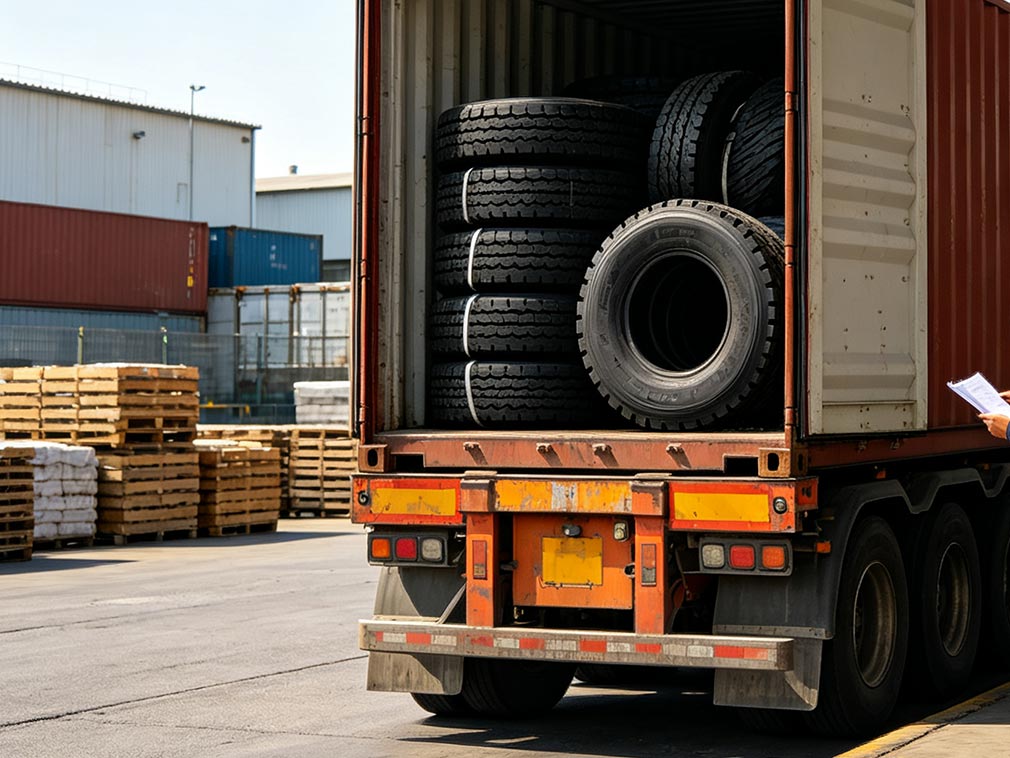
The cost difference was substantial, leading to a gradual shift of orders starting in late 2021. By 2025, US import data showed that Cambodia exported 13.4 million passenger car replacement tires to the US, an increase of over 40% year-on-year, surpassing Vietnam and ranking alongside Thailand, another traditional source, among the top three.
The availability of local rubber raw materials gives Cambodia a more sustainable cost advantage. Cambodia has over 400,000 hectares of rubber plantations, with a projected natural rubber production of approximately 370,000 tons by 2025. Production is concentrated in eastern provinces such as Kampong Cham and Kratie. The tropical climate and long tapping season ensure a relatively stable supply of raw materials.
Tire manufacturers can directly source standard rubber and smoked sheet rubber from local processing plants, eliminating the need for sea freight and intermediaries. This results in a 10% to 15% lower cost per ton of raw materials compared to purchasing from elsewhere. For buyers making long-term purchases, this cost structure offers greater predictability in pricing.
On the factory side, most are built by Chinese tire companies. The US has maintained its anti-dumping and countervailing duties on Chinese tires, making it virtually impossible to export from China to the US. Setting up factories in Cambodia allows them to circumvent tariffs on Chinese goods while utilizing local raw materials and export tariff advantages.
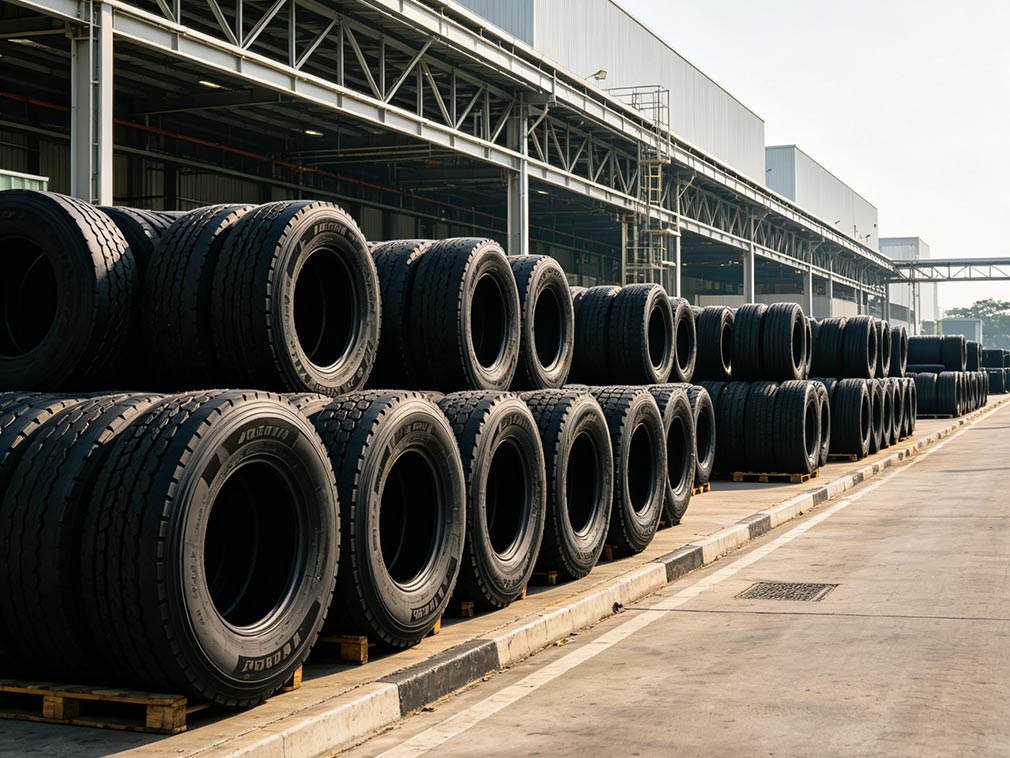
Sailun's factory in Svay Rieng province was the first to go into production, and its annual production capacity for semi-steel radial tires now exceeds 9 million units. Following suit, General Motors and Double Star also invested in production lines in Kratie and Sihanoukville provinces, some producing semi-steel tires and others all-steel tires.
Data from the Cambodian Development Council shows that over 90% of local tire investment projects come from Chinese capital, along with supporting factories for rubber compounding, steel cord production, and mold making. Svay Rieng and Kratie have essentially formed tire industrial clusters. In the first quarter of 2026, the overall capacity utilization rate of these factories remained around 90%, with some factories even installing vulcanizing equipment to handle new orders; delivery cycles are currently relatively normal.
In terms of products, Cambodia's tire exports are no longer limited to passenger car tires; light truck tires, all-steel radial truck tires, and engineering tires are also being shipped, covering most commonly used specifications and speed ratings in the US replacement market. In the first quarter of 2026, the growth rate of light truck and heavy-duty tires was even faster than that of passenger car tires. This broadening of product categories provides better supply elasticity for buyers.
Cambodian customs statistics also show that the overall market is growing. In the first quarter of 2026, exports of rubber and rubber products reached approximately US$650 million, a year-on-year increase of 42.5%, with tires and inner tubes accounting for over 80% of this category. In the same quarter, overall tire sales increased by about 20% year-on-year, consistent with high production capacity.
Besides the US, exports to the EU, the Middle East, and parts of Latin America are also increasing. Some products have already obtained EU tire label certification, meeting stringent requirements for wet braking and rolling resistance, meaning the available market is expanding.
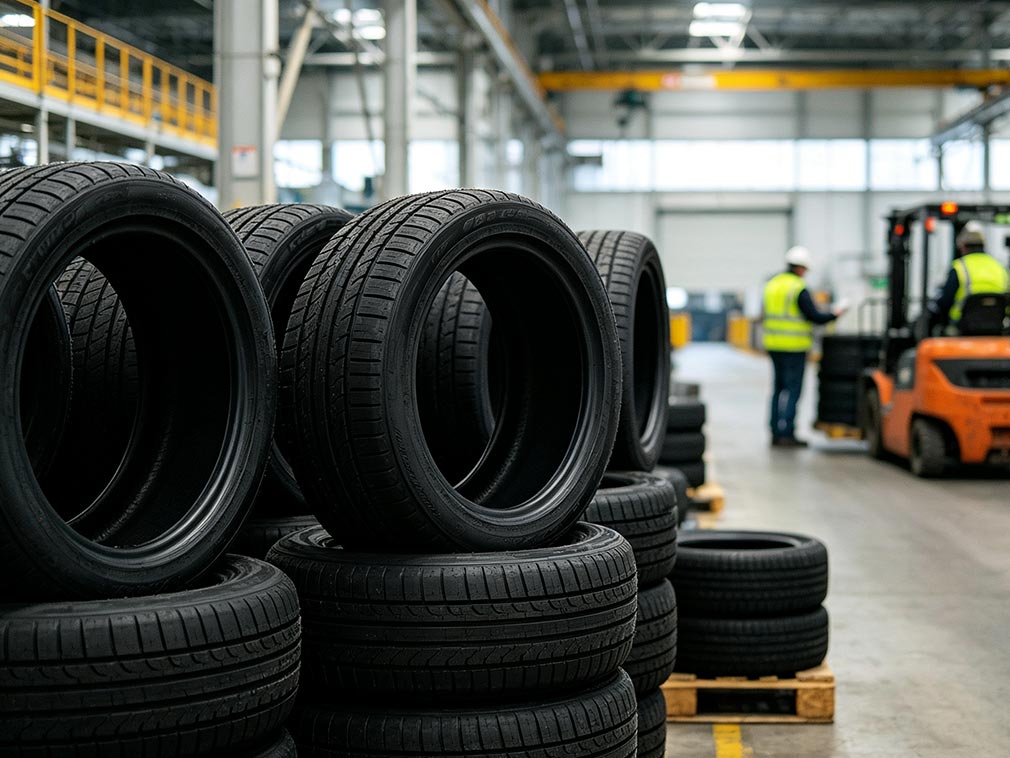
However, considering Cambodia as a long-term supply source requires monitoring certain variables. Changes in US trade policy pose a risk; if anti-circumvention investigations are initiated or preferential tariffs for least developed countries are adjusted, the current cost structure will need to be recalculated. Local natural rubber yields are affected by climate and planting techniques, resulting in annual fluctuations in output. Small and medium-sized enterprises (SMEs) have relatively weak capabilities in tire manufacturing, and some molds and additives still need to be imported.
The Cambodian government is currently promoting the upgrading of the rubber industry, improving electricity and logistics, establishing special economic zones to attract investment in auxiliary materials, and encouraging the renewal of rubber plantations and the introduction of superior varieties, aiming to stabilize the quality and supply of raw materials.
The rapid growth of Cambodian tires in the US replacement tire market is primarily due to a combination of factors, including tariff differences, raw material costs, and the relocation of factories from China. Data from 2025 and 2026 points in the same direction: orders are coming in, and production capacity is keeping pace.
For traders and chain stores looking to diversify their supply sources or optimize procurement costs, the future trajectory of Cambodia's production capacity is worth monitoring. If external trade conditions remain largely unchanged, as production capacity continues to expand and product lines are completed, Cambodia's share in the global replacement tire trade will likely increase.






