
Debunking Top Three Tire Myths Today
Debunking Common Tire Myths: A Professional Guide for the Automotive Aftermarket
In the tire industry, certain misconceptions have persisted among end-users for years. These seemingly plausible beliefs not only lead to unnecessary expenses but can also create serious safety risks. Among the most widespread are three myths: “Run-flat tires never go flat,” “The more expensive the tire, the better its quality,” and “The newer the tire, the higher the performance.” Drawing on practical industry experience and the current Chinese national standard, this article provides a factual breakdown of how tires actually work and how to select them properly.
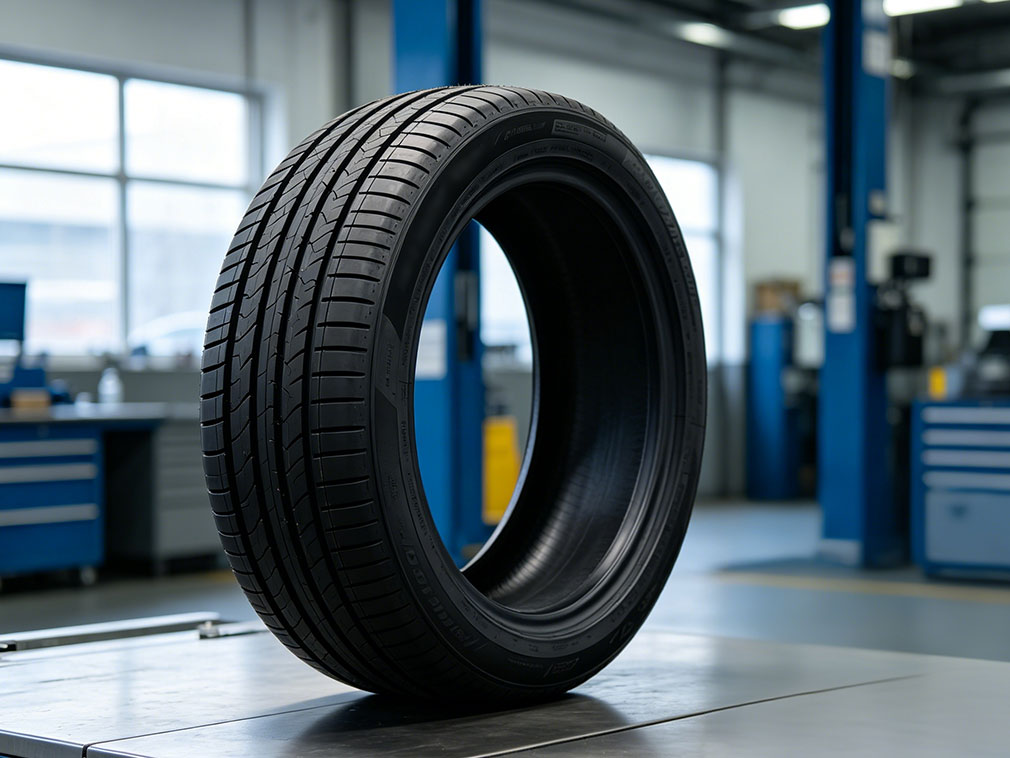
Myth 1: Run-Flat Tires Will Not Go Flat
This is the most common misunderstanding, and it starts with the name itself. The accurate term is Run-Flat Tire (RFT) or Self-Supporting Run-Flat Tire. The Chinese national standard GB/T 30196-2022, which aligns with international practices, clearly defines its function: the core purpose is not to prevent a puncture or blowout, but to provide a temporary fail-safe after a loss of air pressure.
When a standard tire is punctured, air pressure drops instantly, the sidewall collapses, and the rim pinches the tire, making it impossible to continue driving. At highway speeds, this can lead to loss of control, veering, or skidding. Run-flat tires are different because their sidewalls are reinforced with a specially developed, high-strength rubber compound that provides substantially greater support. Even with zero air pressure, the reinforced sidewall can bear the weight of the vehicle.
According to GB/T 30196-2022, a run-flat tire must be capable of running at 80 km/h for at least 80 kilometers in zero-pressure mode. Mainstream products on the market typically offer a run-flat range of 80 to 150 kilometers, sufficient to reach a service center. However, this does not mean the tire is indestructible. Under extreme conditions—such as a high-speed impact, a large cut across the tread, or prolonged high-speed driving on zero pressure—the tire's structure will still fail.
A critical point often overlooked: after a single zero-pressure driving event, the internal cord body and rubber structure of a run-flat tire have sustained irreversible damage. Even if the exterior looks intact, the tire must be replaced immediately and cannot be repaired or reused.
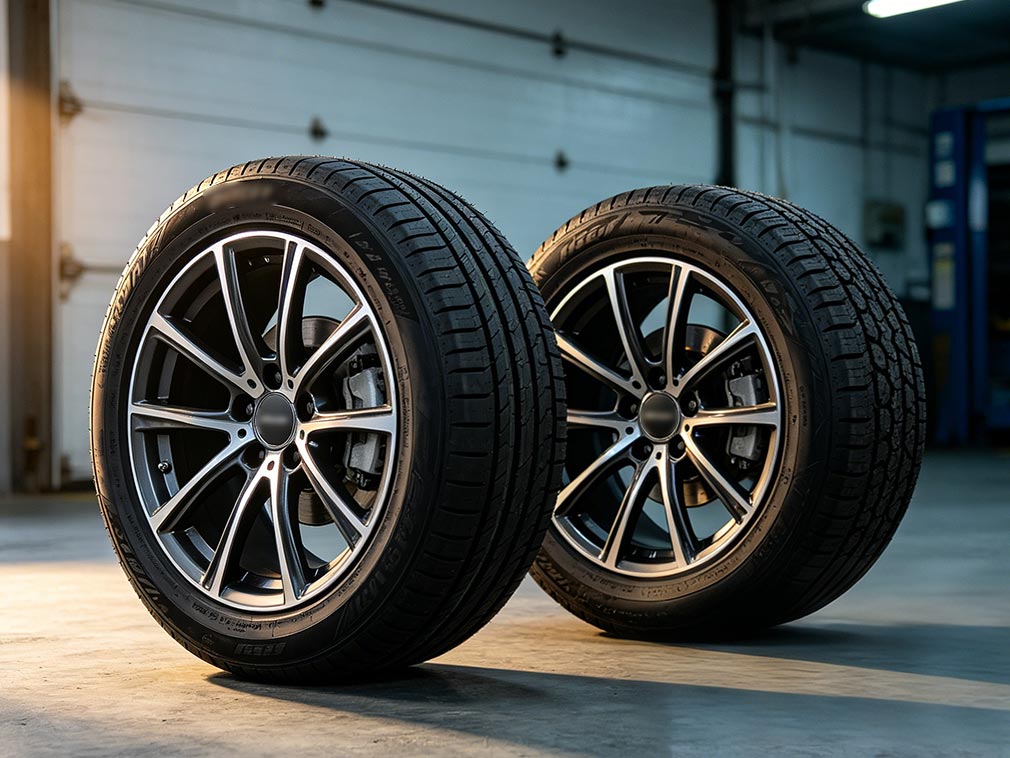
Myth 2: A Higher Price Means Better Quality and Performance
It is a common but overly simplistic view that a more expensive tire is automatically a safer or better tire. A tire's price includes brand premiums, R&D investment, manufacturing positioning, and performance orientation. High-priced tires are typically highly specialized performance products, excelling in a specific area such as ultra-quiet operation, extreme comfort, track-level handling, or exceptional wear resistance. They are designed for very specific vehicle types and road conditions. In the tire business, there is no universal “best”—only what is appropriate for the application.
For standard passenger cars used primarily on paved city roads for daily commuting, the priorities are tread life, fuel efficiency, and dependable stability. A mid-range, general-purpose tire with a strong value proposition often provides an ideal fit. By contrast, some premium ultra-quiet comfort tires use softer tread compounds that, while delivering a refined ride, wear significantly faster under everyday stop-and-go urban driving—making them a poor match for high-frequency commuter use. Similarly, high-priced off-road or heavy-duty tires with extremely stiff sidewalls will noticeably increase cabin noise and reduce ride comfort when mounted on a typical family sedan.
The guiding principle for tire selection is always alignment with real-world usage: the road conditions, the vehicle's characteristics, and the driver's daily needs. Chasing the highest price or biggest brand without this analysis only increases cost without necessarily delivering a better driving experience.
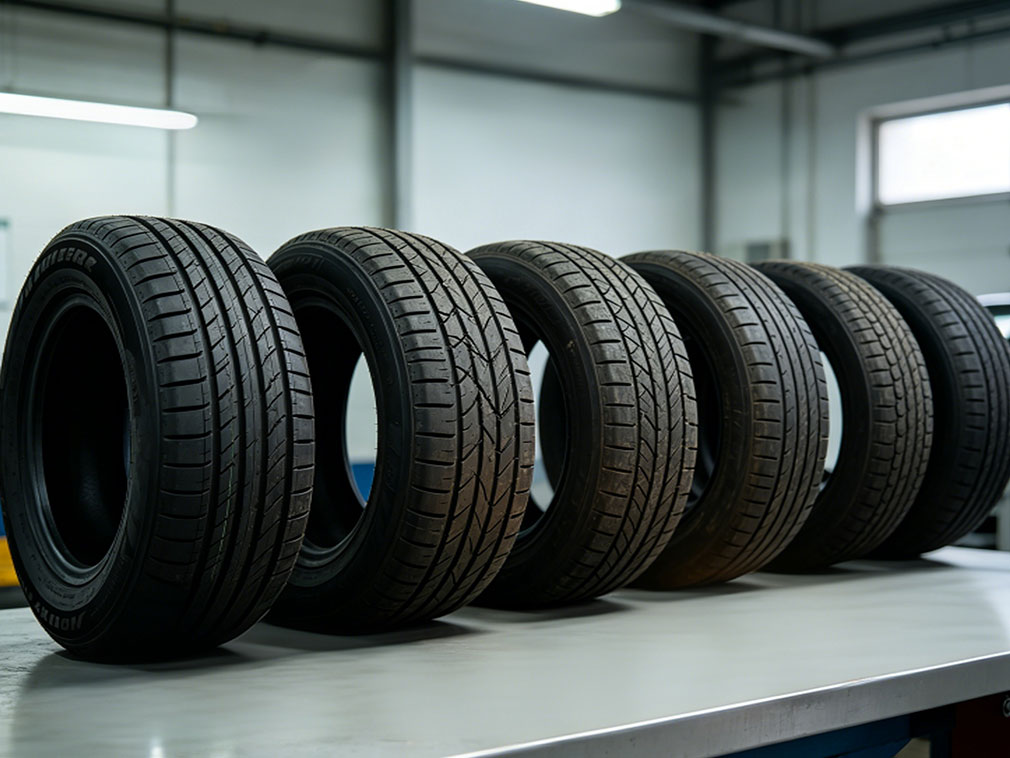
Myth 3: The Newer the Tire, the Better Its Quality
Many buyers fixate on the production date, insisting on tires manufactured only one or two months prior, viewing tires that have been in storage as “old stock” with degraded performance. The reality is that rubber compounds age naturally over time. Even a brand-new, unused tire will undergo a slow, inevitable change as the rubber reacts with oxygen and is affected by ambient temperature and humidity. This process gradually reduces elasticity and slightly hardens the material, leading to a marginal decline in certain properties.
Under standard industry storage conditions—a dry, cool environment protected from direct sunlight and water—a new tire has a typical safe storage period of 3 years. Within this cycle, tires that are less than 1 year old from their DOT production date exhibit peak rubber condition, traction, and air-sealing integrity. Tires that are 1 to 3 years old, provided they have been stored correctly, show virtually no perceptible performance loss and are perfectly suitable for use. The excessive pursuit of “brand-new” production dates offers no meaningful practical benefit; it is a mindset often exploited by some sellers to justify a price premium on ultra-fresh stock.
A vital distinction must be made: the aging clock for a tire starts from its production date, not the date it is mounted on a vehicle. Even if a vehicle has covered very low mileage, tires should undergo a comprehensive professional inspection once they reach 5 years from their production date, and they should be replaced promptly based on signs of aging. Checking the molded date code on the tire sidewall is the only reliable way to determine its chronological age.
Tire selection and maintenance should never be guided by ingrained assumptions or unfounded rumors. All judgments must be based on industry standards and the user’s actual operating conditions. By moving past these common myths and adopting a strategy of rational selection, proper usage, and routine inspection, businesses and end-users alike can maximize safety performance, reduce overall running costs, and ensure a more secure driving experience.






