
Are Bigger Tires Worth the Cost?
In today's automotive market, increasingly larger tires have become a fixed design trend. Whether it's ordinary family gasoline cars or the currently popular new energy vehicles, the tire and wheel sizes that come standard with new cars are constantly upgrading, and traditional small-sized tires are slowly disappearing from the market for new family cars.
The core reason why automakers favor large tires is simple: they make the side profile of the car look more streamlined, the whole vehicle looks more refined and upscale, and it's also a common marketing tactic to increase prices and create a sense of luxury. However, putting aside the aesthetic advantages, from the perspective of ordinary car owners' actual usage, the current operating status of offline tire stores, and the industry's energy-saving development, blindly following the trend of making tires larger is essentially an industry-wide competition led by automakers, ultimately costing consumers and retailers the money—the drawbacks are significant.
From the perspective of ordinary car owners, large tires have almost no practical use; instead, they significantly increase the cost of car ownership, becoming one of the most hidden expenses in daily car maintenance. The price difference between different sizes of Michelin Primacy 4 tires, as previously compared, is not an isolated phenomenon. Looking at the tire market trends for 2025-2026, the price gap caused by size upgrades is widening.
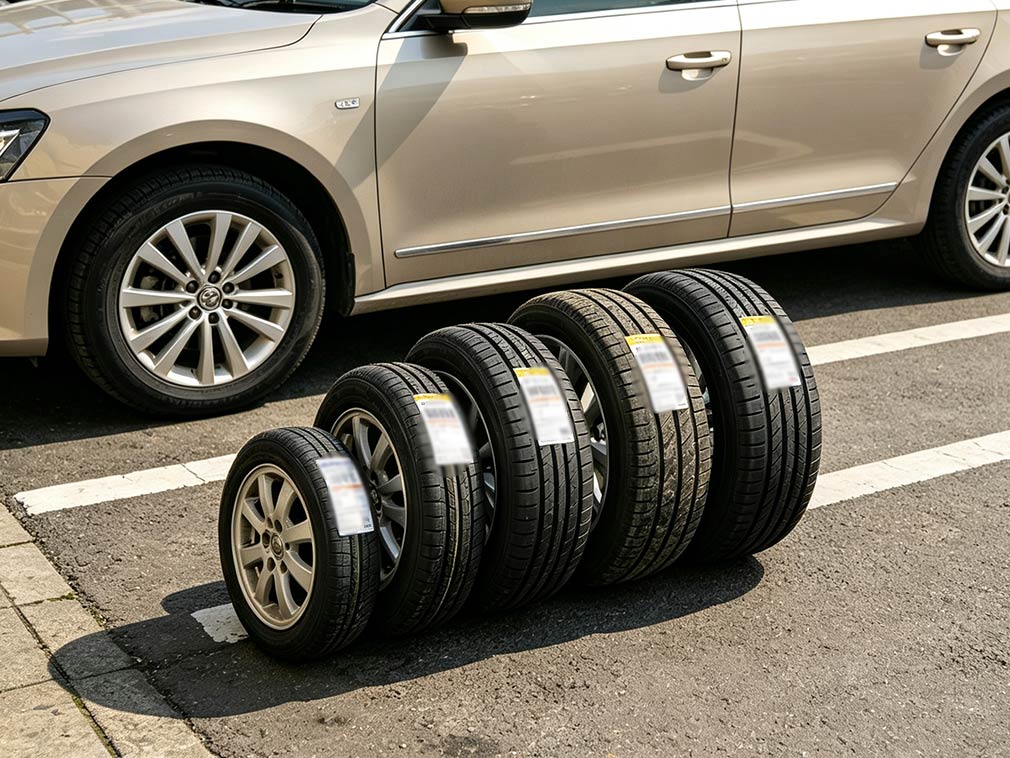
The mainstream 16-inch family tires on the market generally cost between 400 and 600 yuan per tire, while the same model 18-inch tires are generally more than 100 yuan more expensive. Upgrading to 19-inch or larger tires directly exceeds 1,000 yuan per tire, and high-end 21-inch and 22-inch large-size tires can even reach 2,000 to 3,000 yuan per tire. The price difference for a complete set replacement can easily reach several thousand yuan.
A more practical problem is that larger tires generally have a low aspect ratio design, resulting in thinner sidewalls and less resilience. When driving over speed bumps or potholes, they are prone to bulges, cracks, and damage, resulting in a much shorter lifespan than traditional smaller tires. Frequent tire replacements further increase the maintenance burden on car owners.
Increased costs are only one aspect; larger tires also directly reduce the daily driving experience. The so-called performance improvement is basically negligible for the average car owner. Real-world driving test data shows that for every size increase in tires, fuel consumption for gasoline vehicles increases by 0.5 to 1 liter per 100 kilometers, and energy consumption for new energy vehicles also increases, directly reducing driving range.
Simultaneously, the thinner tire sidewalls lose sufficient cushioning, allowing minor road vibrations and bumps to be directly transmitted into the cabin, significantly reducing overall comfort and making tire noise more noticeable at high speeds. The commonly touted advantages of larger tires—stronger grip and better cornering—are only apparent in special scenarios like racing and extreme handling. For most daily urban commuters and short-distance drivers, the performance improvement is imperceptible, while they bear the tangible consequences of higher energy consumption, more expensive maintenance, and a worse driving experience.
Not only car owners suffer, but offline tire shops also struggle to profit from the large-size tire trend; while seemingly high-profit, it's actually difficult to operate. While the profit margin per large-size tire is indeed higher than that of small-size tires, the drawbacks are significant: higher prices, a smaller target audience, and lower replacement frequency among car owners, resulting in overall sales far lower than mainstream 16- to 18-inch small-size tires.
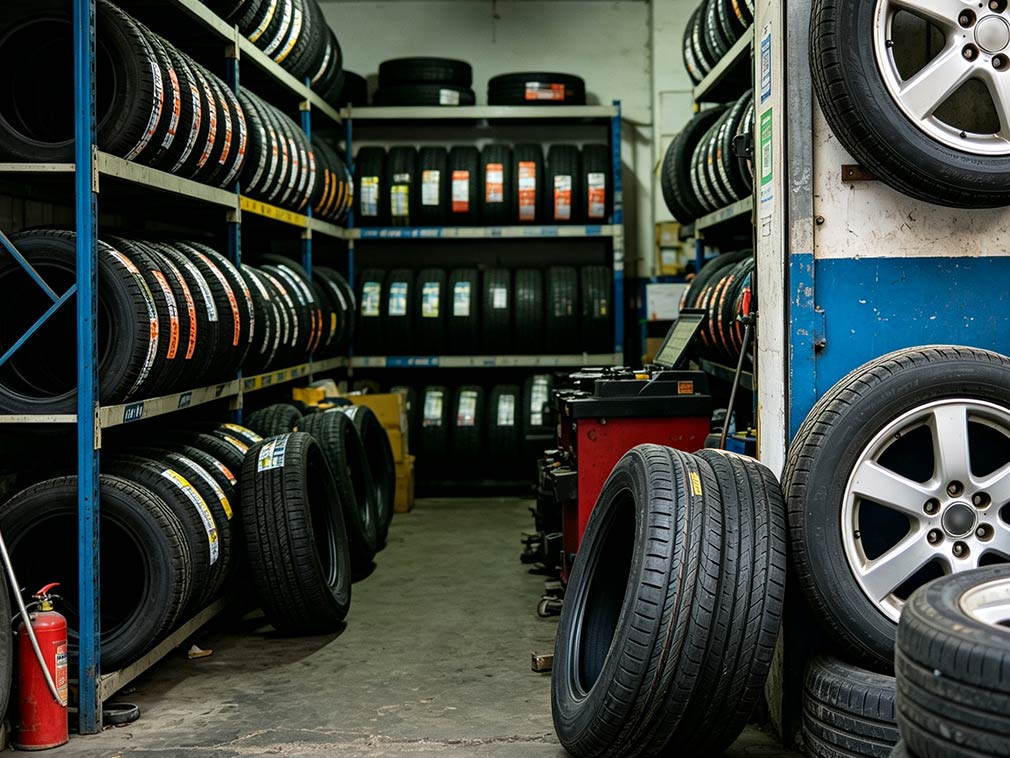
Furthermore, large-size tires are bulkier and heavier, leading to higher costs and difficulties in bulk purchasing, warehousing, and logistics. In addition, the compatible car models are relatively niche, so stores are hesitant to stock up in large quantities, easily resulting in inventory backlogs and tied-up capital. Therefore, currently, most tire stores still rely on regular small-size tires for their core revenue, with large-size tires merely used to supplement their product range and not becoming their main profit driver.
Both car owners and retail stores are facing difficulties, but car manufacturers and leading tire companies are the true winners in this fierce competition for large-size tires. Car manufacturers leverage the visual advantage of large-size rims to elevate the positioning and prestige of their models, allowing them to command a premium and enhance product competitiveness without significant R&D investment.
Leading tire brands, on the other hand, rely on the high unit price and high profit margin of large-size tires to continuously boost their overall performance. Pirelli has repeatedly stated in its official financial reports that its market strategy focused on large-size, high-value-added tires is the core reason for its continued sales and profit growth. Currently, the revenue share of high-end large-size tires is steadily increasing, becoming a core pillar of the brand's profitability.
Furthermore, the indiscriminate popularization of large-size tires contradicts the current automotive industry's trend towards low-carbon, energy-saving, and sustainable development, resulting in significant resource waste. While the rapid popularization of new energy vehicles has led the entire industry to pursue lightweight vehicles and minimized energy consumption, the tire sector is bucking this trend, blindly pursuing larger sizes.
Large tires (18 inches and above) require far more raw materials such as rubber, steel wire, and cord fabric than conventional 14-inch or 16-inch tires, resulting in significantly increased raw material losses and energy consumption during production. However, these additional resources do not translate into tangible performance benefits for users; they merely satisfy the aesthetic requirements of vehicles, leading to extremely low cost-effectiveness and contradicting the industry trend of green production.
From a professional perspective, tire companies that have long been deeply involved in the tire sub-sector understand the compatibility logic between tires and vehicle models far better than automakers. Many small-displacement gasoline cars and urban commuter electric vehicles are inherently weak in power and have chassis tuning geared towards comfort and fuel efficiency, making them unsuitable for large-size tires.
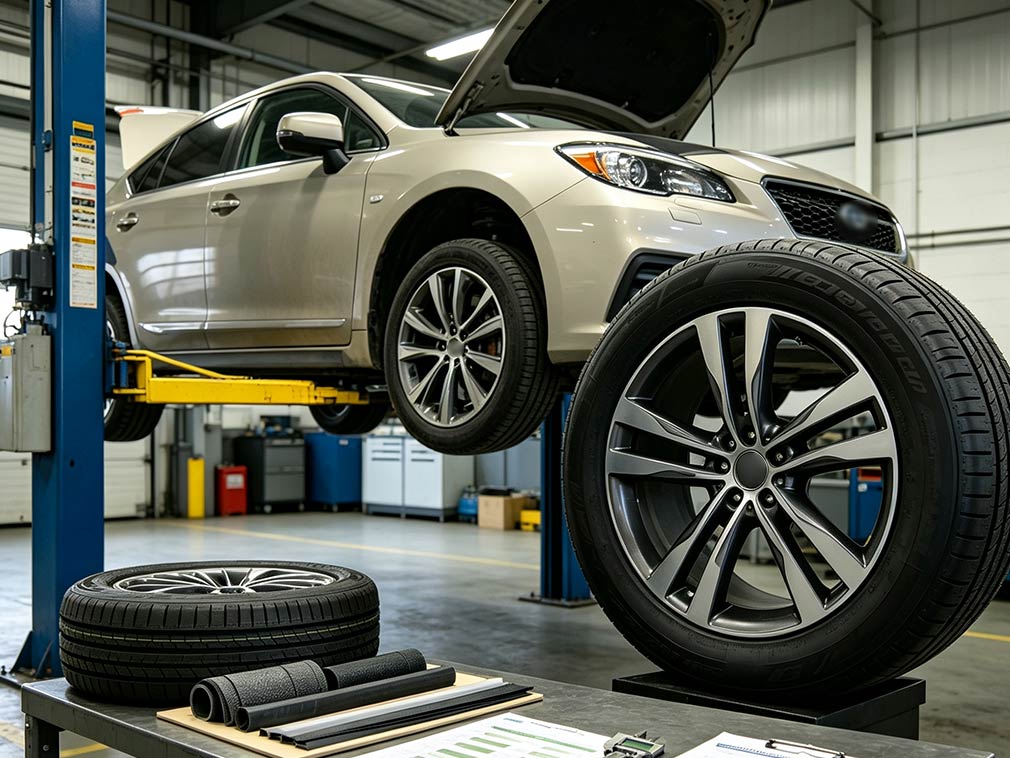
Forcing them on not only fails to improve overall vehicle performance but also leads to wasted power, increased energy consumption, and chassis mismatch. Driven by automakers' aesthetic marketing needs, the entire tire industry—from production, warehousing, and transportation to store assembly and after-sales maintenance—is forced to upgrade and adapt, consuming significant manpower, resources, and capital—a typical example of ineffective industry-wide efforts.
Tire size matching should be based on vehicle positioning and users' daily driving scenarios, prioritizing practicality and fuel efficiency, rather than blindly following trends and sacrificing practicality for premium pricing. Abandoning the obsession with flashy appearances and returning to the essence of the product is the long-term healthy development direction for both the automotive and tire industries.






