
2026 Trade Green Pressure Reshapes Tire
In 2026, the domestic tire industry faced unprecedented challenges, with particularly pronounced operational pressures. The industry was under pressure from both internal and external factors: tightening overseas trade barriers and comprehensive upgrades to domestic environmental regulations, leading to a significantly accelerated market reshuffling. Not only were small and medium-sized tire companies finding survival increasingly difficult, but even leading companies with economies of scale were forced to confront real challenges such as capacity upgrades and rising costs.
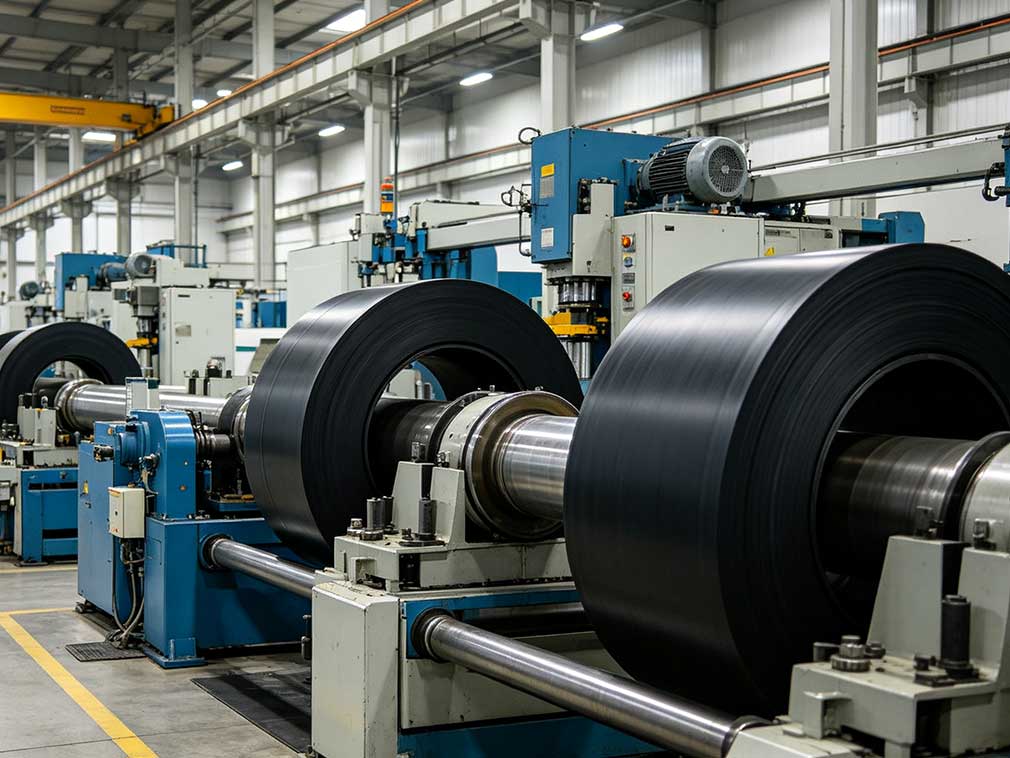
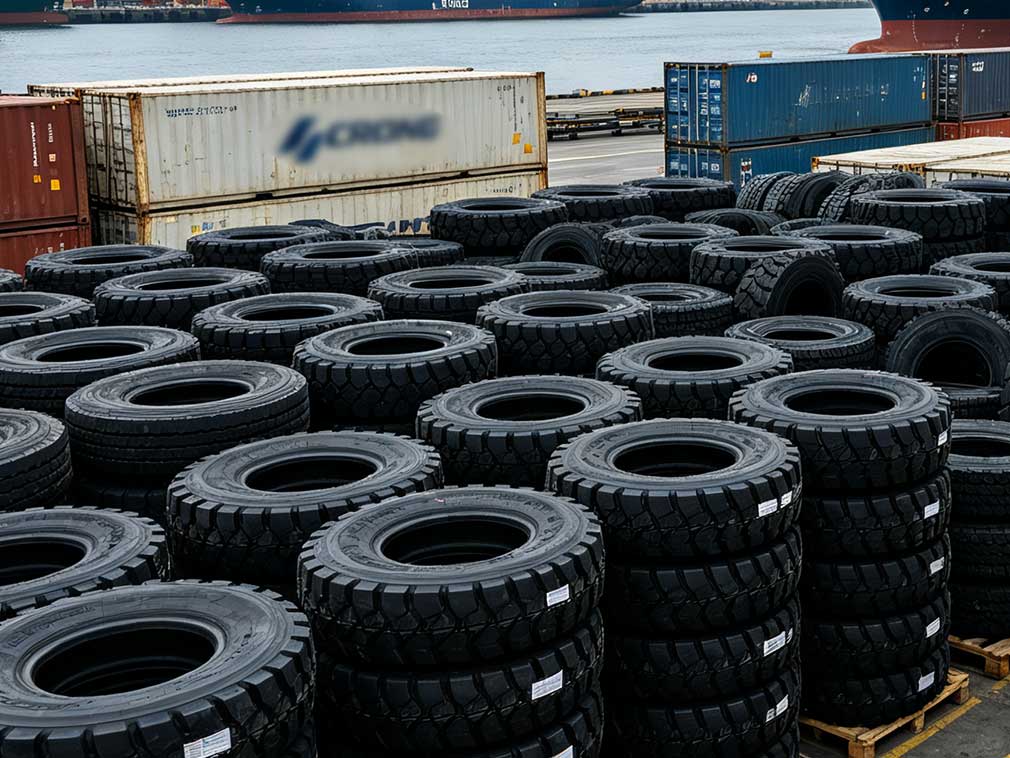
The industry officially entered a critical adjustment cycle centered on quality improvement and consolidation. The pressure in the foreign trade sector was particularly pronounced. Anti-dumping and countervailing duties imposed by Europe and the United States on Chinese tires continued to be implemented and became increasingly detailed. High tariffs significantly raised the barriers to overseas expansion, severely impacting the overseas market layout of domestic tire companies and becoming a key external obstacle to the industry's export growth.
For a long time, high cost-effectiveness has been the core advantage of domestic tires in expanding into overseas markets. However, the increasingly stringent trade control measures by Europe and the United States have completely changed this competitive landscape. In addition to continuously imposing anti-dumping and countervailing duties, various technical trade barriers have been continuously introduced to restrict the entry of domestic tires into the market. Entering 2026, relevant regulations were no longer limited to ordinary civilian and commercial tires, but extended further to high-end radial tires, new energy vehicle tires, and other emerging domestically competitive categories, achieving almost full product coverage.
Under the heavy pressure of tariffs, the profits of most export-oriented enterprises were significantly squeezed. Many small and medium-sized factories had almost no profit margin on overseas orders, forcing them to passively reduce supply scale or even withdraw from some low-end overseas markets. At the same time, competition in emerging growth markets such as Southeast Asia and the Middle East intensified, with established international tire companies continuing to deepen their presence, further squeezing the overseas market for domestic tires. The overall difficulty for the industry to break through in foreign trade has significantly increased.
While overseas revenue growth is hampered, a new round of environmental policy upgrades in China has brought a new round of technological upgrading pressure to the entire industry. Tire manufacturing processes are complex, and core steps such as rubber mixing, calendering, and vulcanization all generate air pollutants such as particulate matter, volatile organic compounds, and sulfides, making them a key area for ecological and environmental supervision.
To address the shortcomings in environmental governance within the rubber industry and promote its green and low-carbon transformation, the Ministry of Ecology and Environment released the "Emission Standard for Air Pollutants from the Rubber Products Industry (Draft for Public Comment)" in July 2026, soliciting public opinions. This represents a systematic upgrade to environmental standards for the domestic tire and rubber industry since the implementation of the current standards in 2011, significantly raising the entry threshold for green production in the industry.
Compared to the released standards, the new regulations comprehensively optimize the industry's pollution control system. Whether in terms of the scope of control, monitoring dimensions, or pollutant emission limits, they are all stricter than the old standards, fully covering seven major rubber sub-sectors, including tire manufacturing. Addressing past weaknesses in environmental governance, the new regulations add control indicators for specific pollutants such as carbon disulfide, filling long-standing regulatory gaps.
At the same time, emission limits for conventional pollutants such as sulfur dioxide and nitrogen oxides are significantly tightened to adapt to the overall requirements of continuous improvement in national air quality. The long-standing industry standard for converting emissions into baseline emissions has been officially abolished. The new regulations clearly define minimum operating efficiency standards for waste gas treatment equipment, preventing companies from circumventing environmental inspections by diluting waste gas or idling equipment.
A prominent feature of this new environmental policy is its stricter crackdown on fugitive emissions. Previously, environmental inspections mostly assessed pollutant concentrations at the factory boundaries, with relatively lax oversight of waste gas emissions within production workshops and intermediate processes. This has been a long-standing environmental weakness for many tire companies.
The new standards will establish dual monitoring points both inside and outside the factory, creating a comprehensive and thorough environmental monitoring system. This will allow for precise control of waste gas leaks and fugitive emissions from key processes such as rubber mixing and vulcanization, fundamentally changing the industry's past practice of focusing only on organized emissions while neglecting fugitive emissions.
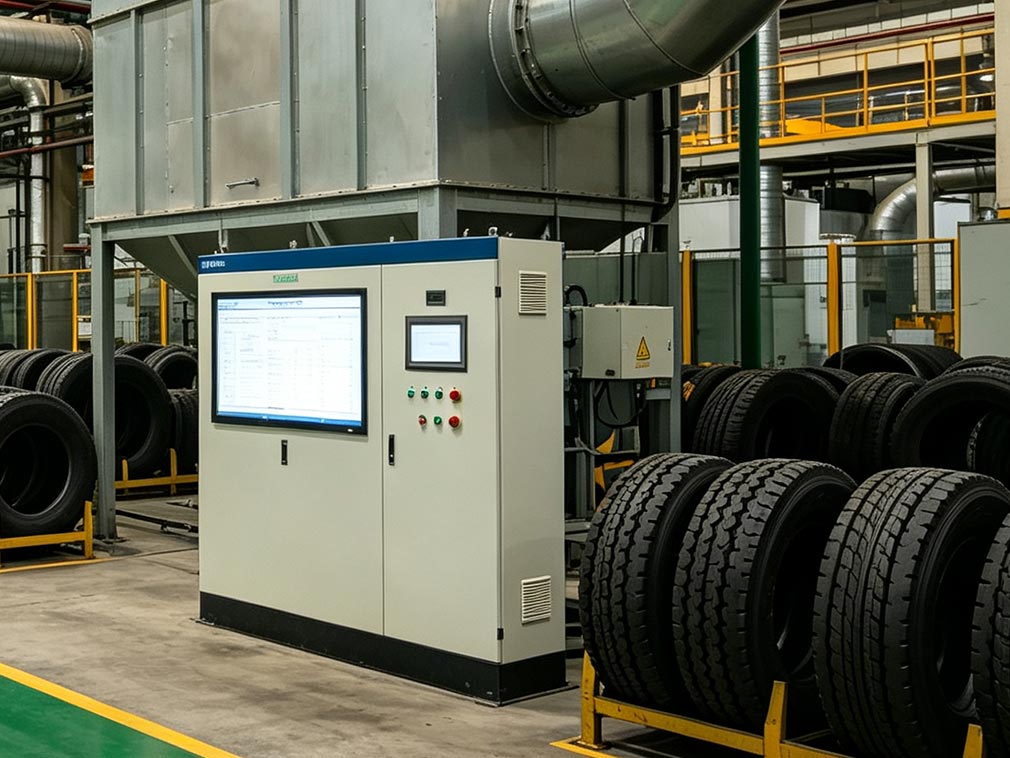
For tire companies, this new environmental standard necessitates a new round of large-scale technological upgrades. Outdated production lines and rudimentary environmental protection equipment will struggle to meet compliance requirements. Companies must upgrade their enclosed production workshops, update waste gas collection and purification equipment, and establish intelligent online monitoring systems, significantly increasing overall operation and maintenance costs and fixed asset investment.
For small and medium-sized tire companies with limited capital and outdated production capacity, this environmental upgrade presents a formidable hurdle. Companies failing to meet emission standards will face production restrictions, shutdowns, rectification, or even outright closure, accelerating the elimination of outdated production capacity in the industry.
Under this dual pressure, the restructuring of the tire industry will accelerate significantly in 2026. Foreign trade barriers are forcing companies to abandon low-end, low-price export models and shift towards R&D and production of high-value-added products, optimizing export structures to mitigate trade sanctions risks. Domestic environmental policies have completely ended the industry's extensive production development model, driving the industry towards green, intelligent, and intensive development.
Leading companies, leveraging their capital and technological advantages, will quickly complete capacity and environmental upgrades, further seizing market share; small and medium-sized enterprises will be eliminated at an accelerated pace, leading to a continuous increase in industry concentration.
From a long-term perspective, while this round of stringent environmental upgrades may put short-term pressure on the industry, it plays a crucial role in promoting high-quality industrial development. It will not only systematically address the issues of fragmentation and pollution in the tire industry and drive technological upgrades, aligning with China's "dual-carbon" development strategy, but the standardized green production model will also help domestic tire manufacturers better cope with overseas green trade barriers and enhance their core competitiveness in the international market.






