
Who Leads OEM Tire Supply Now
If we view the original equipment tire market as a window into the changing landscape of the automotive industry chain, the scene outside that window in 2026 has undergone a substantial shift.
For a long time, tire companies have competed to enter the original equipment (OEM) systems of major automakers, not primarily for the profit from a single order, but for a strategic positioning through "OEM-driven aftermarket" integration—once a new car hits the road, the tire brand immediately enters the consumer's mind, laying the groundwork for replacement choices three to five years later.
This business model is characterized by low volatility, strong customer loyalty, and direct brand empowerment. Therefore, despite extremely high entry barriers and a long validation cycle, the OEM market still attracts the most powerful players in the industry.
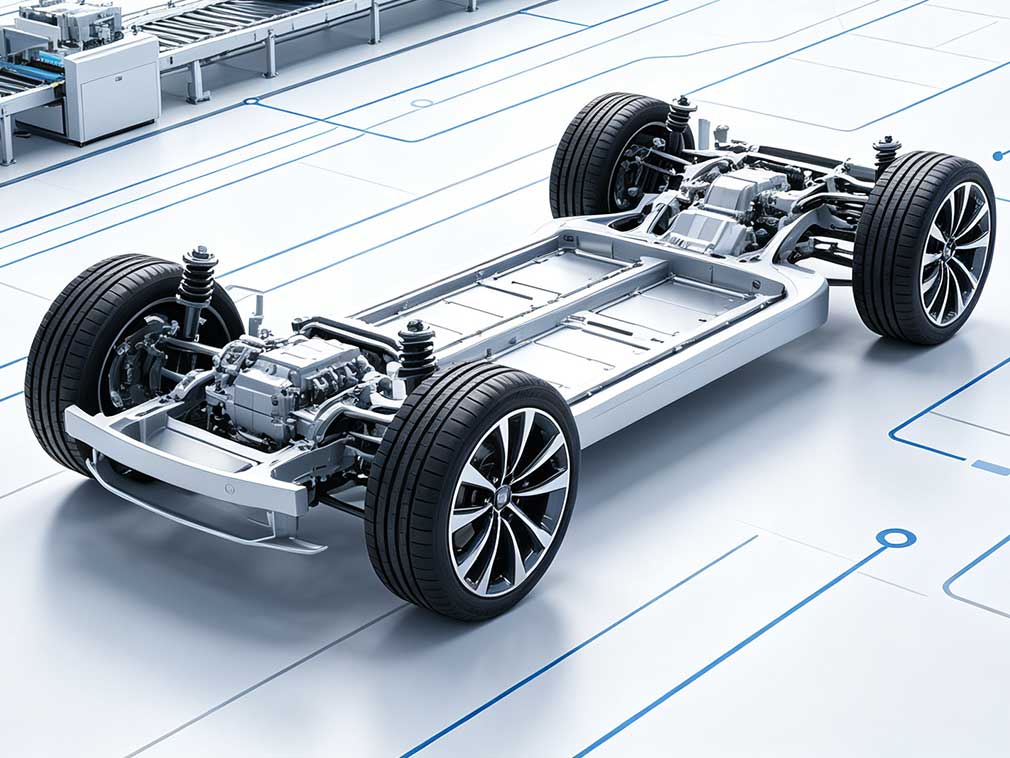
The transformation stems from leaps in vehicle technology. Electrification has significantly increased vehicle curb weight, and instantaneous torque output characteristics are completely different from those of gasoline vehicles. Range anxiety has also pushed rolling resistance to an unprecedented level of importance. In short: OEMs are gaining more control over defining tire performance, and their requirements are becoming increasingly specific and urgent.
This means that the days when tire companies could dominate the market with just one star tire specification are over. The focus of competition has irreversibly shifted from manufacturing scale and cost control to R&D depth, scenario-specific adaptability, and the ability to develop in tandem with automakers.
Observing the current global landscape, a "dual-track, tiered" structure has taken shape. One track is the high-end moat dominated by traditional overseas giants. Bridgestone, Michelin, Continental, and Pirelli each hold a lucrative territory.
Bridgestone relies on global production capacity and stable delivery to provide low rolling resistance solutions for multinational mid-to-high-end models; Michelin excels in green material formulations and low rolling resistance technology, deeply integrated with luxury passenger vehicles.
Continental has built barriers in electric vehicle braking safety and high-load-bearing structural design; and Pirelli maintains a near-exclusive supply position in the supercar and high-performance car sectors through long-term proprietary technology partnerships. These moats are unlikely to be shaken by price wars in the short term.
The other track is the systematic upward attack launched by leading domestic companies from the mainstream market. Data from 2026 confirms this momentum: the overall penetration rate of domestic brands in the original equipment market continues to rise.
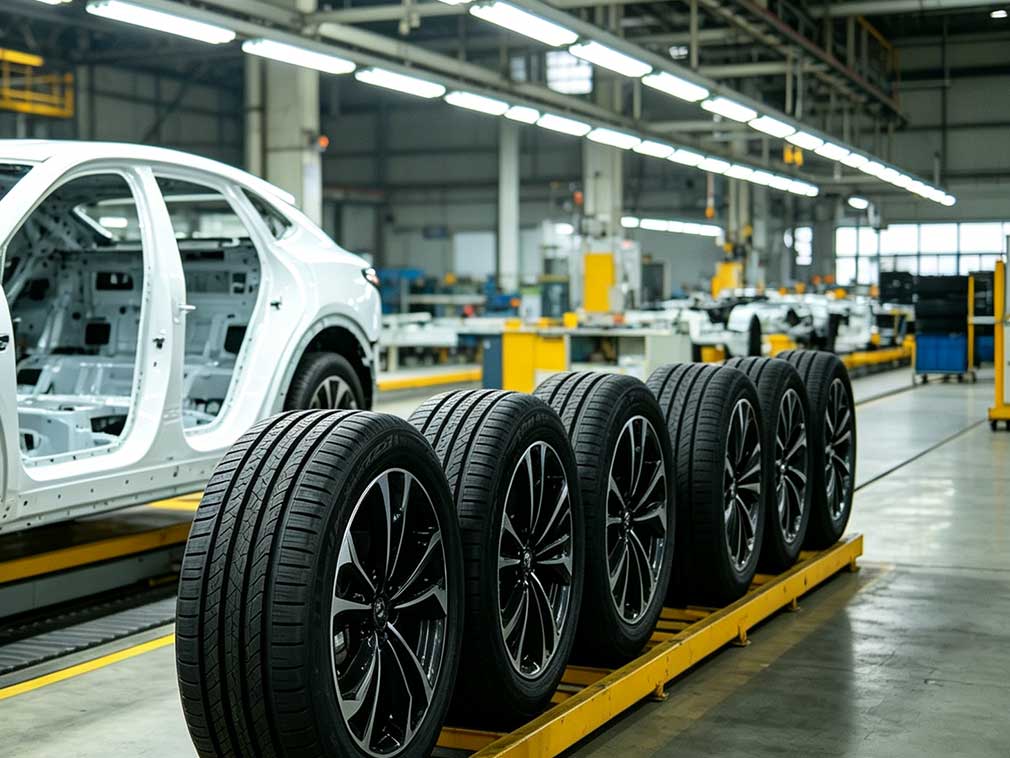
Zhongce Rubber's OEM network covers major domestic brands such as BYD, Geely, Chery, and GAC, and extends to emerging players like Li Auto; Linglong, Sailun, and Triangle have firmly established themselves in the top tier of the huge passenger car market. The breakthrough path for domestic companies is clear and pragmatic: they are more familiar with domestic road conditions and user pain points, enabling them to quickly develop specialized tires for new energy vehicles that balance low rolling resistance, high load capacity, and quiet operation.
Combined with the rapid response and cost advantages of building factories nearby, they are gradually eroding the market share of foreign companies in the mid-range passenger car and mainstream new energy vehicle sectors. This is not about winning through low prices, but a systematic competition based on efficient operation and precise adaptation.
The escalating competition has pushed both types of companies into "deeper waters." Overseas giants are not letting up, continuously increasing their investment in cutting-edge fields such as low-carbon materials, recyclable tire bodies, and sensor integration, aiming to raise the technological barriers of next-generation products. Simultaneously, they are streamlining global production capacity to ensure they can keep pace with automakers' global supply chain integration.
Leading domestic companies are pursuing a multi-pronged approach: on one hand, accelerating technological breakthroughs in new energy-specific tires and high-end wear-resistant compounds, attempting to open up upward price channels; on the other hand, closely following the new car launch schedules of domestic automakers, iterating their products in sync, and establishing factories in Southeast Asia and Europe to penetrate overseas automakers' supply chains and pave the way for global market share.
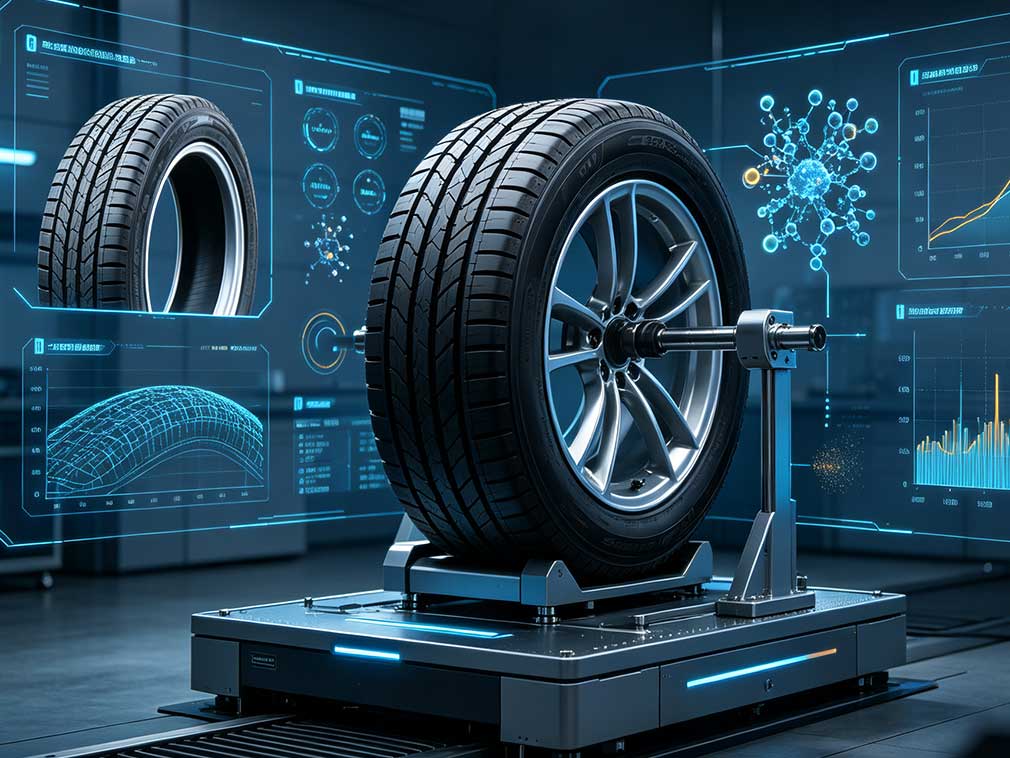
Looking ahead, the trend of further industry concentration is clear. As vehicle production standards and compliance systems become increasingly stringent, leading suppliers capable of maintaining efficient technological iteration, stable supply capabilities, and rapid service response will attract the vast majority of high-quality original equipment orders.
Competition in the original equipment tire market is shifting from a mature game that has grown alongside the automotive industry to a new stage defined by electrification and decarbonization. Slower, weaker companies, and those lacking in-depth development capabilities will be eliminated more quickly, while the remaining competitors, regardless of their background, will ultimately clash on the same technological dimensions.






