
Truck Sales Surge Drives Tire Demand
Heavy trucks sold 660,900 units in the first half of the year.
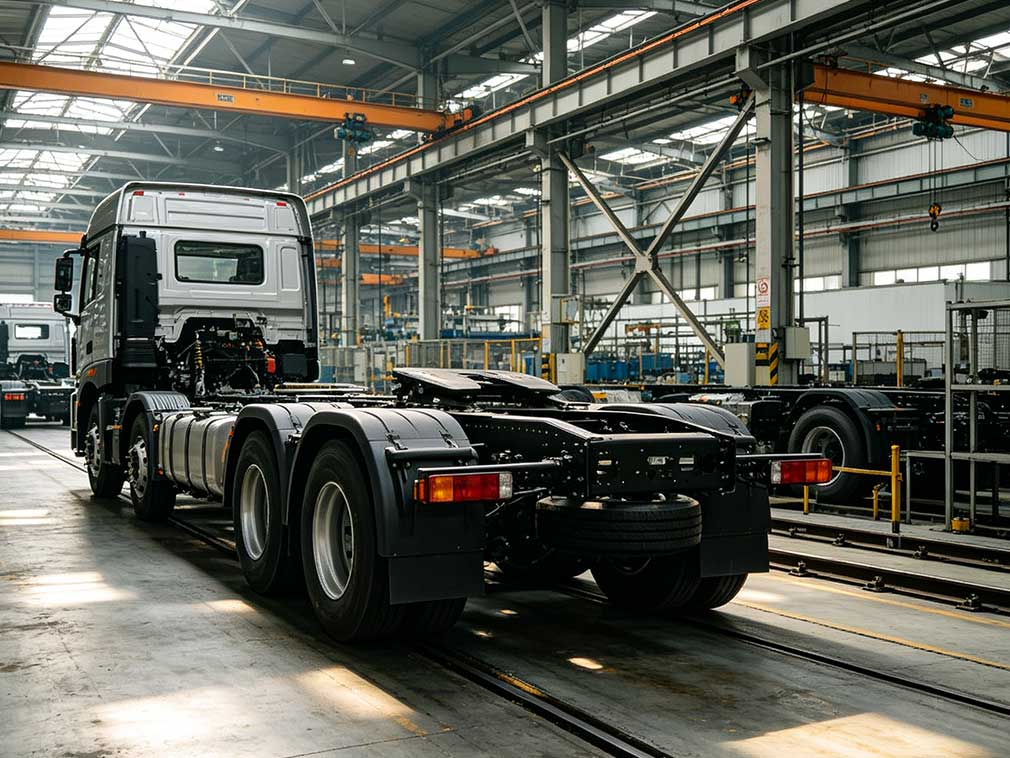
This is no small number. It's more than 20% higher than last year (+22.59%), the only year in the past five years to break 600,000 units in the first half of the year—a figure unimaginable in previous years. June alone saw 116,600 units sold, showing no signs of slowing down.
Tractor trucks—the absolute mainstay of logistics—reached 345,100 units, a growth rate of 27.74%, significantly outpacing the overall market. Long-haul routes are expanding, a conclusion supported by data. New energy vehicles also kept pace, reaching 126,200 units, nearly doubling year-on-year, transforming from a "significant" increase into a substantial one.
One would expect tire manufacturers to be extremely busy with such truck sales.
However, not at all.
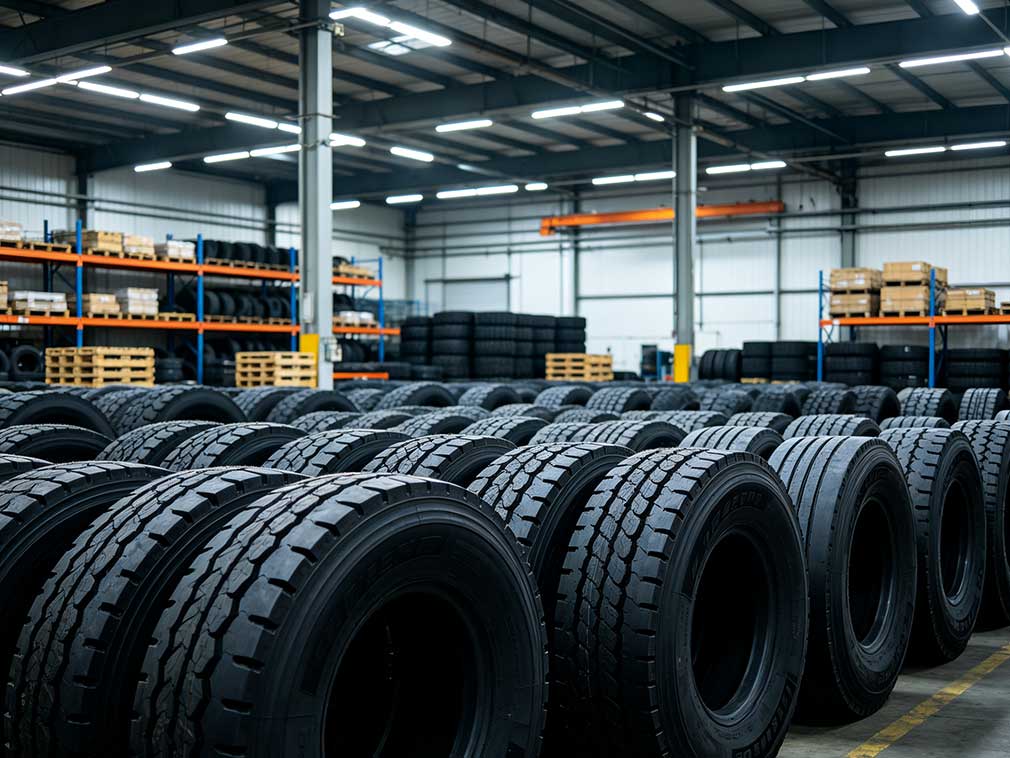
Each heavy truck requires 8 to 12 all-steel tires, meaning the demand for tires in the first half of the year alone reached 5.28 million to 7.93 million units—a seemingly impressive figure. The average capacity utilization rate of all-steel tire manufacturers is only 60.73%, 2.25 percentage points better than last year, far from being fully utilized.
In the past week, it climbed to 65.42%, a 2.77 percentage point increase week-on-week and a 3.19 percentage point increase year-on-year, mainly due to the resumption of production at plants undergoing maintenance, not driven by new orders. According to Longzhong Research, orders are average, shipments are slow, and maintenance and production control are proceeding as usual. The operating rate is rising, but very slowly. The warmth in the automotive market has cooled considerably. The pie in the supporting industries is painted large, but the actual output is limited.
So who is buying?
Overseas. All-steel tire exports reached 2.4113 million tons in the first half of the year, a 3.28% increase on top of last year's high base. Both Africa and Asia (excluding West Asia) saw growth of approximately 13.6%, accounting for nearly half of total exports.
The RCEP benefits are being released, and demand for infrastructure and commercial vehicle replacement in Africa is surging; this growth is not short-term. The export structure is indeed shifting towards emerging markets, and reliance on a single market is decreasing, which is a good thing.
Volume looks good, but prices look bad. Volume increased by 3.3%, but value decreased by 3.1%, with the entire industry trading price for volume. Overseas price wars are fierce, and domestic rubber and carbon black prices are rising, squeezing profits from both ends. Some orders are difficult to accept, but not accepting them is even more difficult—exports are supporting volume, but not cash flow.
The situation is even more bleak for replacement tires
Heavy trucks typically run for one to two years from delivery to tire replacement. The peak tire replacement period for trucks sold this year won't arrive until after 2027. Logistics data isn't bad—last year, national highways handled 43.288 billion tons, an increase of 3.4%—but freight rates aren't rising, and fuel and labor prices are high, leaving fleet operators struggling financially.
The heavy truck operating rate in the second quarter was 68%, down two percentage points from last year. Tires will have to be made do for a while longer. The foundation for replacement tires is there; goods are being shipped and tires are wearing out, but there's a one- to two-year gap in the transmission process, so rushing it won't help.
On the bright side, the foundation isn't bad. Performance tires are selling more and more, several major manufacturers have rolled out MES production lines, and quality control and efficiency are improving. EU labeling laws are becoming increasingly stringent—short-term difficulties, but long-term pressure for formula upgrades.
Commercial vehicle demand in Africa and Southeast Asia is still expanding rapidly, with room for growth on both the replacement and original equipment (OEM) ends. These directions are not speculative; they can sustain a medium- to long-term narrative.
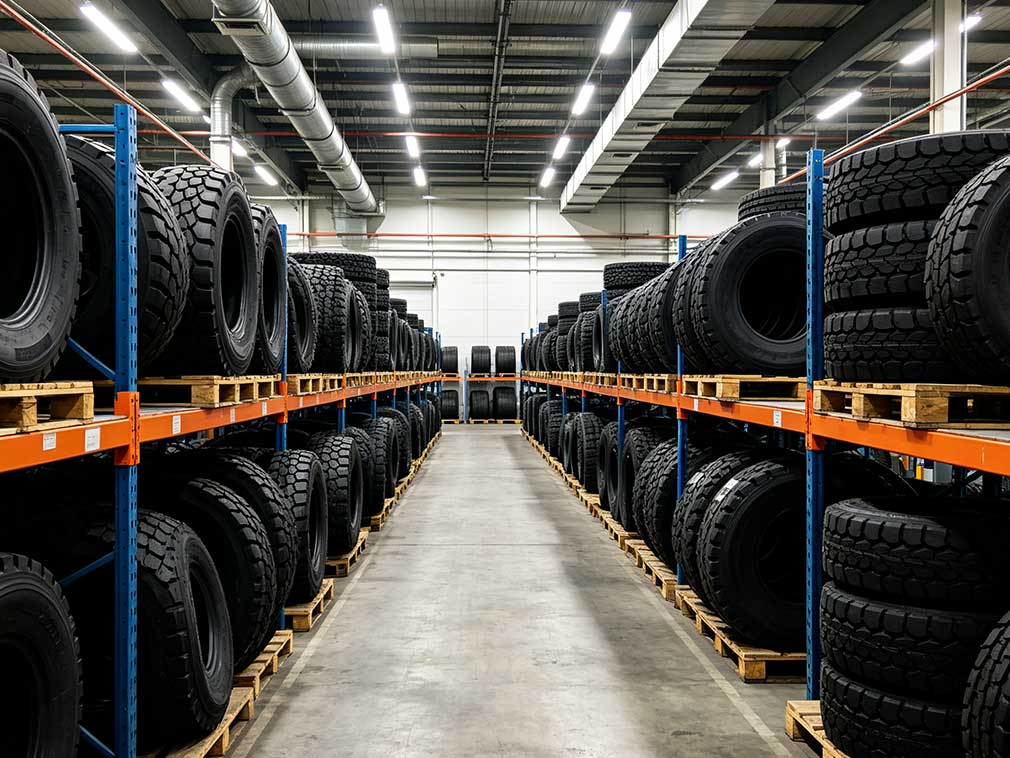
However, currently, rubber and carbon black prices are hovering at high levels, with costs rising by 6% to 8% since the beginning of the year, essentially wiping out the profits of small and medium-sized manufacturers. The EU's anti-dumping duties on passenger car tires just came into effect in July—not touching all-steel tires, but the signal is clear enough. Trade barriers will only increase, not decrease. The replacement market is starting slower than expected. Caught between these factors, there's no easy way out in the short term.
What is this recovery? It's not a cyclical rebound. With ample supporting infrastructure, established export routes, and accelerated development of new energy vehicles, these factors have converged, and the company cannot stand still without any one of them. The real hurdle lies ahead—around 2027, when over 600,000 heavy trucks will undergo tire replacements.
Only then will the true strategy of this replacement program be revealed. Before then, the real skill lies in withstanding costs and solidifying overseas production capacity and product structure. Simply increasing sales volume is useless; profit is crucial. In the end, the success of the industry depends not on who sells the most, but on who has the most cash left in their accounts.






