
Tariff Barriers and Global Shift in the Tire Industry
On July 23, 2026, Eastern Time, the Office of the United States Trade Representative issued a notice imposing new tariffs on 60 economies under Section 301, citing the lack of a ban on the import of forced labor products.
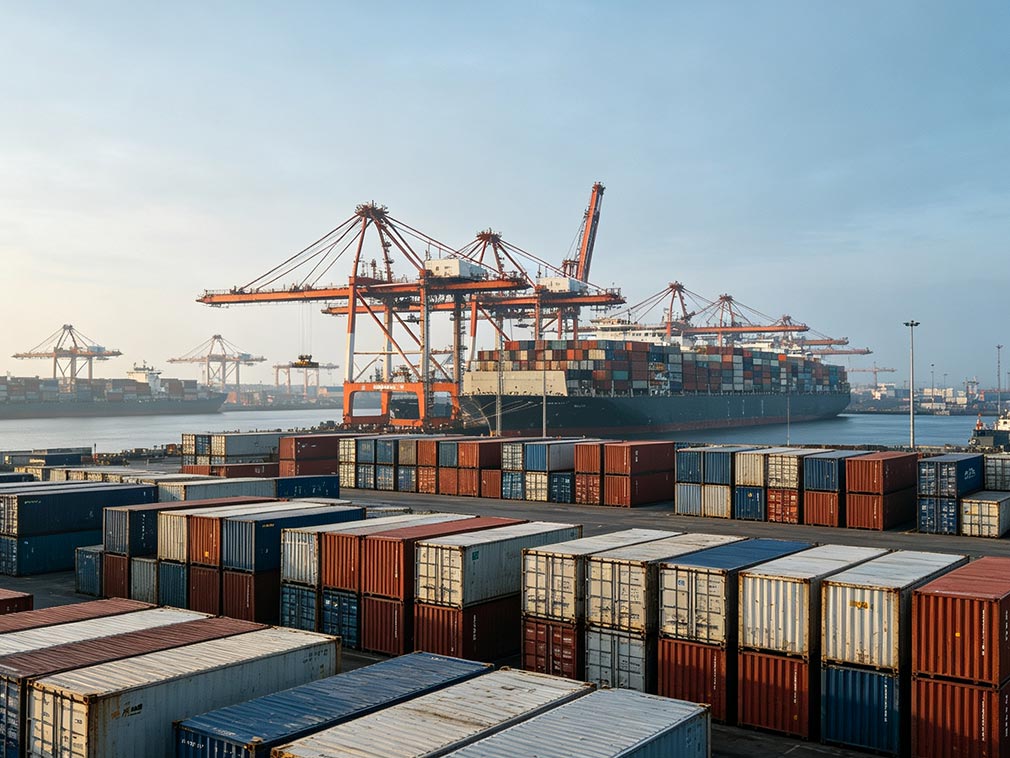
The tariffs are divided into four tiers: 10% applies to 17 economies (including Cambodia, Indonesia, Mexico, and India) that have established or committed to establishing bans on the import of forced labor products; the EU and Taiwan combined face a maximum of 10%; Japan, South Korea, and Switzerland combined face a maximum of 12.5%; and 38 economies, including mainland China, Vietnam, Thailand, Brazil, and Egypt, face 12.5%.
These tariffs will be imposed concurrently with the old Section 301 tariffs imposed on China since 2018 and will not replace previously implemented anti-dumping and countervailing duties. Tire products are not exempt from any exemptions.
Meanwhile, the combined anti-dumping and countervailing duties imposed by the US and Europe will be enforced. On July 7, 2026, the U.S. International Trade Commission ruled to continue imposing anti-dumping and countervailing duties on passenger car and light truck tires from China, with dumping margins reaching 87.99% and subsidy rates ranging from 21.68% to 116.73%.
Combined, the overall tax rate for some companies exceeded 200%, essentially blocking the direct export route from Chinese factories to North America. In the same month, the EU's AD733 final ruling imposed anti-dumping duties of 4.3% to 45.3% on Chinese tires. Combined with existing import tariffs, the actual tax burden for some companies approached 50%.
The global trade restriction network continues to expand—in March 2026, Peru initiated an anti-dumping investigation into Chinese automobile tires; Brazil continued to impose anti-dumping duties of US$1.25 to US$1.77 per kilogram; and the Eurasian Economic Union extended anti-dumping duties on Chinese heavy-duty truck tires until November 2026.
Profitability is also under pressure. According to a research report by Guojin Securities, the net profit attributable to the parent company of China's tire sector declined by 23% year-on-year in 2025, with a net profit margin of only about 7%, further decreasing to 6.8% in the first quarter of 2026. The "price-for-volume" model is facing increasing profit margins amid rising global tariff barriers.
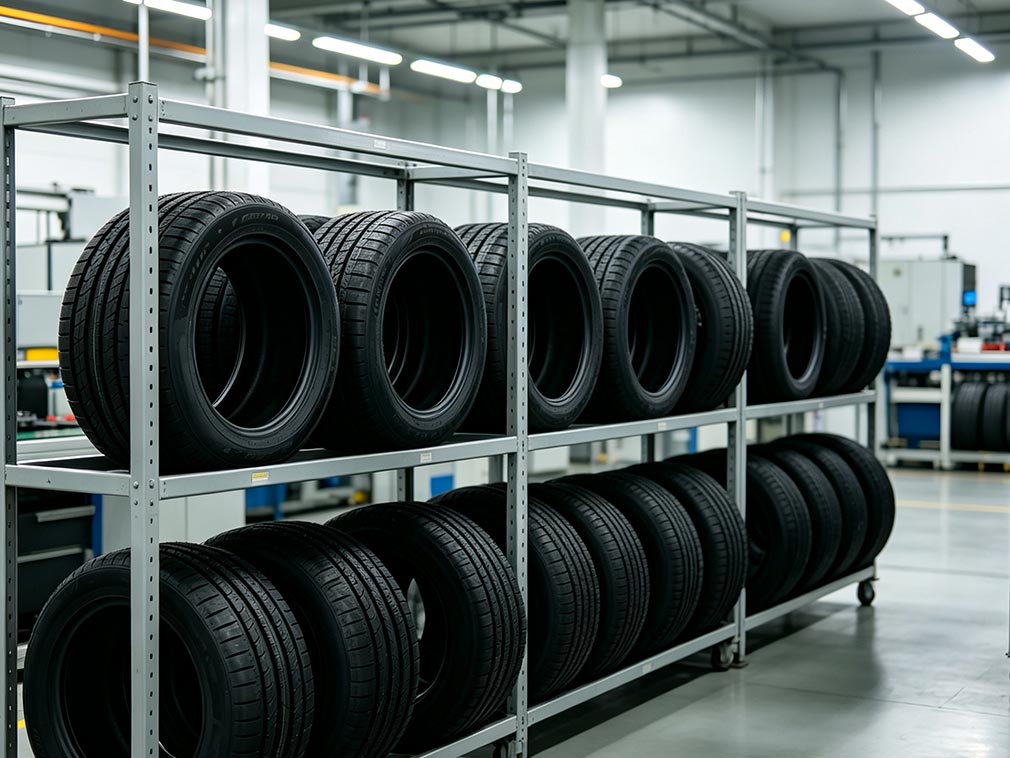
While domestic companies are flocking to build factories in Thailand and Vietnam, US Customs has strengthened its scrutiny of the "Chinese content" of tires from these regions, and the benefits of Southeast Asia as a "tariff haven" are fading. Data from the China Rubber Industry Association shows that while overseas factory output saw double-digit growth in January and February 2026, sales revenue declined by 3.6% year-on-year, indicating the emerging risk of "internal competition and external spillover."
Under tariff pressure, overseas factory construction is accelerating. Sailun Tire announced an additional investment of approximately 7.8 billion yuan in Egypt, Fengshen Tire invested approximately 2.681 billion yuan to establish a factory in Alexandria, and Linglong Tire's Serbian factory has passed factory audits by German brands such as Volkswagen, Audi, and BMW, entering the OEM supply chains of Renault and Ford.
However, industry information shows that some companies' Southeast Asian factories have already experienced lower-than-expected capacity utilization rates after commencing production due to policy changes—simply transferring manufacturing cannot fundamentally solve the problem.
The key to breaking the deadlock lies in upgrading from "manufacturing going global" to "system going global." Linglong Tire has established R&D centers in Germany and the United States, forming a global R&D system; Sailun Group's independently developed liquid gold material has overcome the tire "devil's triangle" problem, obtaining the highest level of certification under EU labeling regulations; Zhongce Rubber's revenue reached 45 billion yuan in 2025, ranking first in the industry, and it is advancing the construction of its Vietnam factory.
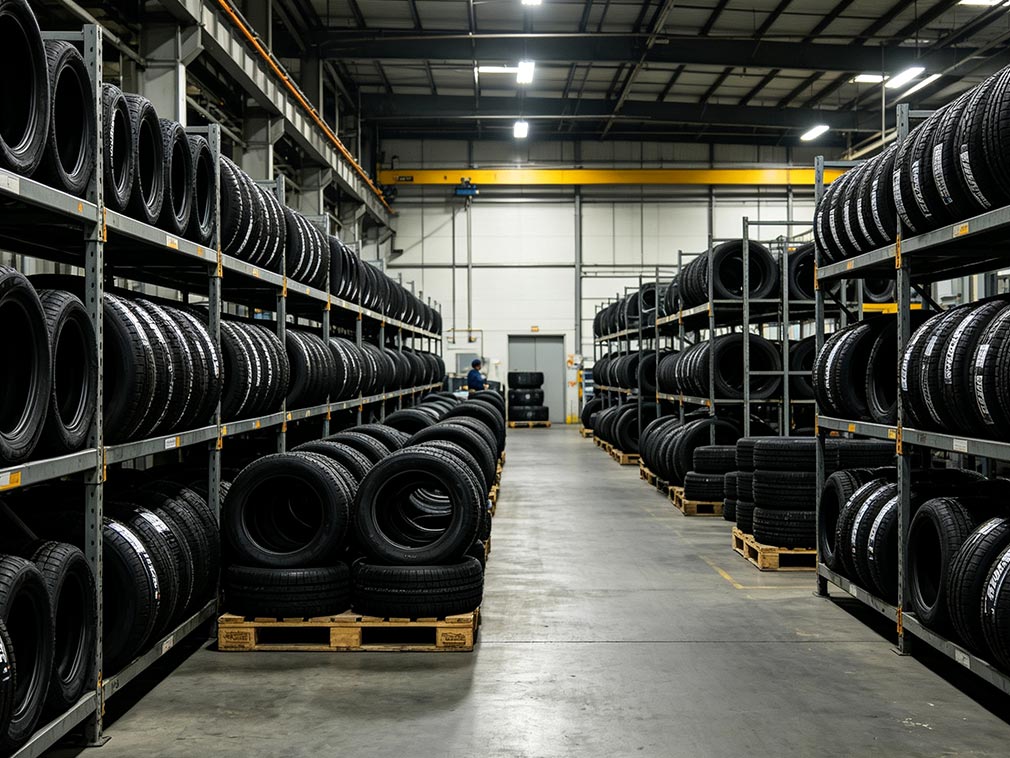
These cases demonstrate that only by simultaneously promoting localized R&D, localized supply chains, and internationalized brands can trade barriers be truly overcome.
Competition in the global tire market is shifting from a battle of production capacity and price to a comprehensive contest of technological innovation, brand value, and global operational capabilities. This industry stress test triggered by tariff barriers may well be the turning point for Chinese tires to move from "global factory" to "global brand."






