轮胎花纹:性能指南
轮胎花纹及其核心功能差异

轮胎花纹主要分为五类:纵向花纹、横向花纹、块状花纹、不对称花纹和单向花纹。每种花纹都有其独特的设计逻辑和适用场景。
纵向花纹主要由与轮胎滚动方向平行的直线或浅斜向沟槽构成。花纹连续且沟槽狭窄。其核心优势在于排水性能卓越,能迅速排走轮胎胎面与地面之间的积水,降低水滑风险。同时,它还具备滚动阻力小、噪音低的特点,适用于铺装良好的城市道路和高速行驶,是乘用车原配轮胎的主流选择。
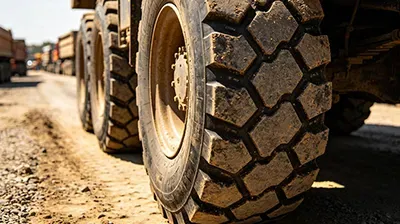
横向花纹轮胎的花纹走向与滚动方向垂直或呈较大角度。其沟槽宽深,花纹块横向连接,具备卓越的抓地和牵引性能,尤其在泥泞或松软路面上能有效“啃噬”障碍物,增强附着力。但此类轮胎滚动阻力较大且噪音明显,更适用于卡车、SUV等需承载重物或行驶于复杂路况的车辆。
块状花纹轮胎由独立的方形或多边形花纹块构成,花纹块大、沟槽深且分布均匀。它们平衡了纵向排水与横向抓地力,适用于包括砂石路、未铺装路面及城市道路在内的混合驾驶条件。此类花纹常见于越野SUV和跨界车型上。
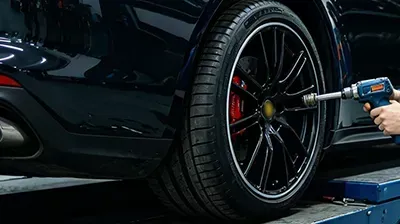
不对称胎面花纹在胎面内外两侧采用不同的设计。外侧胎块更大且更坚硬,强调转弯时的支撑与抓地力;内侧沟槽更宽更密集,侧重于排水和降噪。这种设计平衡了操控性与舒适性,使其适用于追求性能的轿车和中型SUV。
单向胎纹主要为箭矢形状,只能按照指定方向安装。其沟槽深邃,形态连续流畅,具备高速行驶时的出色稳定性、卓越的排水与防滑性能以及强大的抓地力。此类胎纹适用于高性能跑车及运动型轿车,也常见于多雨环境下的行驶车辆。
关键设计细节的差异化作用
Block tread patterns consist of individual square or polygonal tread blocks, with large blocks, deep grooves, and even distribution. They balance longitudinal drainage and lateral grip, making them suitable for mixed driving conditions including gravel, unpaved roads, and urban roads. This type of tread pattern is commonly used in off-road SUVs and crossovers.
Asymmetrical tread patterns feature different designs on the inner and outer sides of the tread. The outer tread blocks are larger and more rigid, emphasizing support and grip during cornering; the inner grooves are wider and denser, focusing on drainage and noise reduction. This balances handling and comfort, making it suitable for performance-oriented sedans and mid-size SUVs.
Single-directional tread patterns are primarily arrow-shaped and can only be installed in a designated direction. The grooves are deep and have a continuous, streamlined shape. They offer excellent stability at high speeds, outstanding drainage and anti-skid capabilities, and strong grip. This type of tread pattern is suitable for high-performance sports cars and sports sedans, and is also commonly used in vehicles operating in rainy conditions.
The Differentiating Role of Key Design Details

除了整体类型之外,胎面花纹的细致设计进一步放大了性能差异,成为区分适用场景的关键所在。
胎面花纹深度直接影响耐磨性和排水性能。日常使用的普通轮胎花纹深度约为6-8毫米,而耐磨型轮胎则可超过10毫米,适合经常长途驾驶且路况复杂的用户。高性能轮胎花纹较浅(4-6毫米),以牺牲部分耐磨性换取更强的抓地力反馈,适合注重操控性的驾驶风格。
沟槽的数量和宽度决定了排水效率。多雨地区的轮胎设计有3至4条宽阔的主沟槽,辅以狭窄的副沟槽,确保快速排水。而干燥地区的轮胎沟槽则更窄更少,以增大胎面接触面积,提升抓地力。
胎面花纹块的密度和排列方式影响着噪音控制。细小且不规则排列的花纹块能分散声波,减少路面噪音,适合追求舒适性的家庭轿车。而更大、更粗犷的花纹块则会产生更明显的噪音,但提供了更好的耐磨性和抗冲击性,适用于越野或重型驾驶场景。
区别在于橡胶材质与花纹设计的结合。软质橡胶胎面块提供良好抓地力但耐磨性较差,适用于高性能轮胎;硬质橡胶胎面块更耐磨,适合商用卡车或常行驶于非铺装路面的车辆;花纹设计则根据材料特性优化应力分布。
不同场景下差异化选择的逻辑在于:不同的轮胎花纹本质上是“性能取舍”,必须精准匹配使用环境和需求;否则会影响行驶安全与轮胎寿命。
对于城市通勤,应优先考虑纵向或不对称胎面花纹。纵向花纹具有低噪音和低滚动阻力的特点,有助于降低油耗,适合平坦的城市道路和高速公路。不对称花纹则在日常通勤舒适性与偶尔激烈驾驶操控性之间取得平衡,适用于家庭轿车和城市SUV。
对于复杂路况(越野、砂石路),块状或横向花纹是必要的。块状花纹以其独立的块体减少砂石对胎面的损害,而深沟槽则防止泥沙堵塞。横向花纹提供强大的牵引力,帮助车辆摆脱泥泞环境,成为越野爱好者的核心选择。
气候因素同样不可忽视。在多雨地区,排水性能至关重要;单向花纹中的纵向沟槽和宽阔排水沟能有效防止水滑现象。北方冰雪地带则适宜选用细小花纹或雪地专用花纹轮胎。细小花纹增强了在冰雪上的抓地力,部分雪地轮胎还在花纹中嵌入钉粒或采用软质橡胶材质,以提升低温环境下的行驶表现。
驾驶风格兼容性同样重要。对于喜欢激烈驾驶、频繁加速刹车的用户,单向或不对称花纹轮胎更为适合。这类花纹的高刚性提供了更直接的路感与抓地反馈。而对于注重经济性和舒适性的用户,纵向花纹轮胎则滚动阻力小、噪音低,其耐磨特性也降低了更换频率。
轮胎花纹差异的实际影响 轮胎花纹设计的差异最终体现在驾驶体验、安全性能与运营成本上,导致使用效果存在显著区别。
在安全性方面,针对特定场景设计的胎面花纹能有效降低风险。例如,在雨天条件下,纵向花纹的排水能力可将水滑临界速度从80公里/小时提升至100公里/小时以上。而在冰雪路面上,普通花纹的抓地力会大幅减弱,而专为雪地设计的胎面花纹则能使刹车距离缩短10%至15%。
在驾驶体验方面,轮胎花纹类型直接影响噪音与操控反馈。纵向花纹能在高速行驶时将噪音控制在60分贝以下,而横向花纹则可能超过70分贝。单向花纹在转弯时能有效减少车身侧倾,块状花纹则更擅长过滤颠簸路面的震动。
在使用成本方面,耐磨性的差异导致了更换周期的不同。
For complex road conditions (off-road, gravel roads), block or lateral tread patterns are necessary. Block tread patterns, with their individual blocks, reduce damage to the tread from gravel, while deep grooves prevent mud and sand blockage. Lateral tread patterns provide strong traction, helping vehicles get out of muddy conditions, making them a core choice for off-road enthusiasts.
Climate factors also play a role. In rainy areas, drainage is paramount; longitudinal tread patterns and wide grooves in unidirectional patterns effectively prevent hydroplaning. In northern icy and snowy regions, tires with fine slits or snow-specific tread patterns are suitable. Fine slits enhance grip on ice and snow, and some snow tires incorporate studs or soft rubber into the tread pattern to improve performance in low-temperature conditions.
Driving style compatibility is also important. For users who enjoy aggressive driving and frequent acceleration and braking, unidirectional or asymmetrical tread patterns are suitable. The high rigidity of these patterns provides a more direct road feel and grip feedback. For users who prioritize economy and comfort, longitudinal tread patterns offer lower rolling resistance and noise, and their wear resistance reduces replacement frequency.
The Practical Impact of Tread Pattern Differences Differences in tread pattern design ultimately manifest in driving experience, safety, and operating costs, resulting in significant differences in usage.
In terms of safety, tread patterns adapted to specific scenarios minimize risk. For example, in rainy conditions, the water drainage capacity of longitudinal tread patterns can increase the hydroplaning threshold speed from 80 km/h to over 100 km/h. On icy and snowy roads, the grip of ordinary tread patterns decreases significantly, while snow-specific tread patterns can shorten braking distance by 10%-15%.
In terms of driving experience, tread type directly affects noise and handling feedback. Longitudinal tread patterns can keep noise levels below 60 decibels at high speeds, while lateral tread patterns can exceed 70 decibels. Unidirectional tread patterns result in less body roll during cornering, while block tread patterns offer better filtering of bumpy roads.
In terms of usage costs, differences in wear resistance lead to different replacement cycles

典型家用轮胎中,纵向花纹轮胎的使用寿命大约为6万至8万公里,而高性能的单向花纹轮胎可能仅能行驶4万至5万公里。越野块状花纹轮胎虽耐磨,但相比纵向花纹轮胎,其油耗会增加5%-8%,导致长期使用成本更高。
区别在于
The difference in 轮胎轮胎花纹本质上是一种“为功能适配的精密设计”,每种花纹都针对特定场景进行了优化。选择轮胎时,务必考量日常行驶路况、气候条件及驾驶需求,避免盲目追求“全能型花纹”,才能在确保轮胎发挥最佳性能的同时,兼顾安全性、舒适性与燃油经济性。