
Rubber Supply Rises, Cap Price Gains
On July 22nd, the Qingdao natural rubber market saw a slight increase following futures prices, with STR20 trading at $2210/ton, $10 higher than the previous trading day. While there was an increase, the momentum was weak, driven primarily by market sentiment.
Substantial positive factors on both the supply and demand sides were largely absent, leaving neither bulls nor bears in control. Spot prices followed suit with a slight upward adjustment, but the magnitude was limited, and the market remained stuck in the sluggish rhythm typical of the summer rubber market.
On the supply side, major producing regions both domestically and internationally are increasing production, and overall raw material supply capacity is gradually recovering. However, due to varying weather conditions, the pace of production differs significantly across regions. Internationally, the weather in Thailand has improved considerably, with the continuous heavy rains subsiding, improving conditions for tapping and tree recovery, resulting in a month-on-month increase in new rubber production.

Coupled with the rising futures market, Thai processing plants have become more willing to ship, and downstream factories also have a need for restocking, leading to more active purchasing than before. In this atmosphere, rubber farmers and intermediate traders are generally unwilling to sell cheaply, resulting in a low willingness to offload at low prices. This has forced a gradual increase in raw material purchase prices, although the increase is not significant and there has been no sharp rise.
Raw material supply in Vietnam is progressing steadily, with latex volume showing a slight rebound compared to the previous period. Regular tapping is proceeding as normal. However, the effects of El Niño are still present, with high temperatures during the day and frequent afternoon thunderstorms. This alternating hot and cold weather has resulted in significant differences in production efficiency across different regions, leading to a slow overall pace of supply increase, and no concentrated surge in volume has yet been observed. In the short term, raw material supply remains stable to slightly loose.
Domestic production areas are also showing signs of seasonal recovery. Although there is still some scattered rainfall in Yunnan, it is short-lived and limited in scope, with minimal impact. Regular tapping is proceeding as usual, raw material purchase prices have stabilized, and overall circulation is smooth. In Hainan, the weather is favorable, and the various weather disturbances from before have largely subsided.
Tapping has resumed comprehensively and systematically, and raw material supply is gradually returning to normal seasonal levels. Domestic raw material reserves are gradually replenishing, providing basic support for the stable operation of the spot market. Overall, major producing regions both domestically and internationally are in their traditional production increase cycle, and the expectation of a looser supply situation is strengthening, gradually weakening the support for rubber costs.
On the demand side, the weak trend of the summer off-season continues, with both operating rates and shipments in the end-user tire industry falling short of market expectations. Most domestic tire factories are maintaining normalized production controls, with stable but low operating rates. This, coupled with factors such as high-temperature maintenance and insufficient order fulfillment, has led some semi-steel tire factories to temporarily suspend production for maintenance, further dragging down the overall industry operating rate.
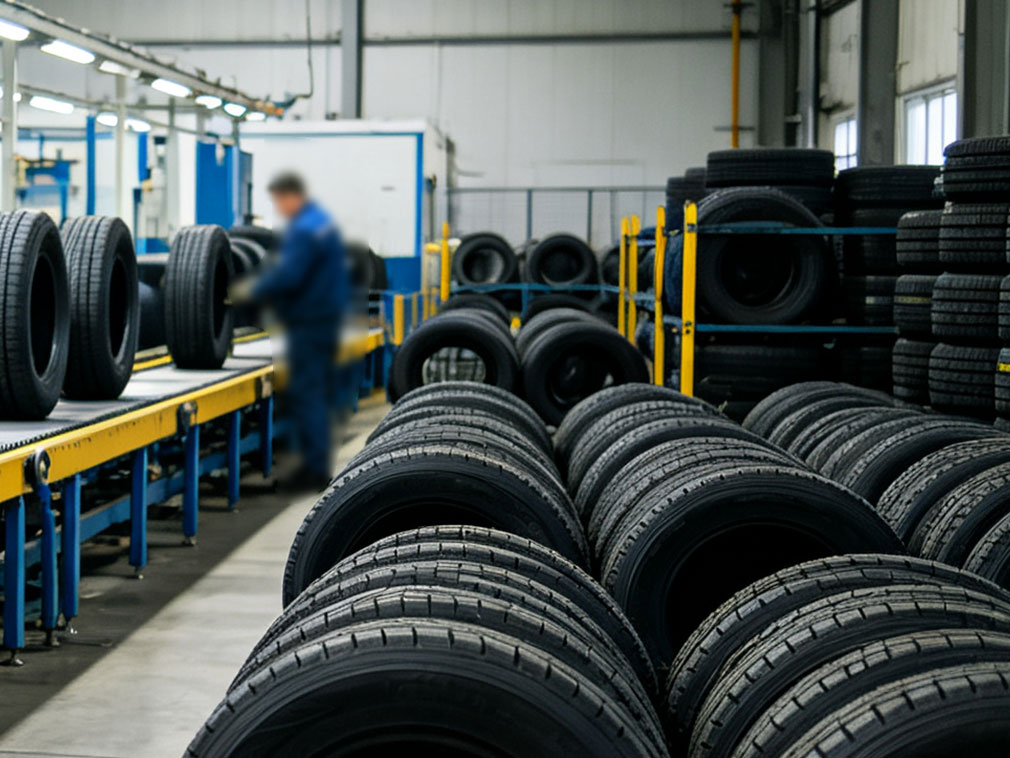
Weak end-user demand has resulted in a backlog of finished goods inventory at factories. To reduce inventory, most semi-steel and all-steel tire companies are implementing temporary price reductions to try and push sales, but downstream buyers are cautious, and the promotions have had limited effect, failing to significantly stimulate market demand.
Against the backdrop of difficult off-season shipments, some tire manufacturers have started production and delivery of snow tires ahead of schedule. This year, the sales pace of snow tires started earlier than in previous years, making it a rare bright spot in the tire industry. However, the overall volume is still small, and it's far from enough to reverse the overall weak demand situation.
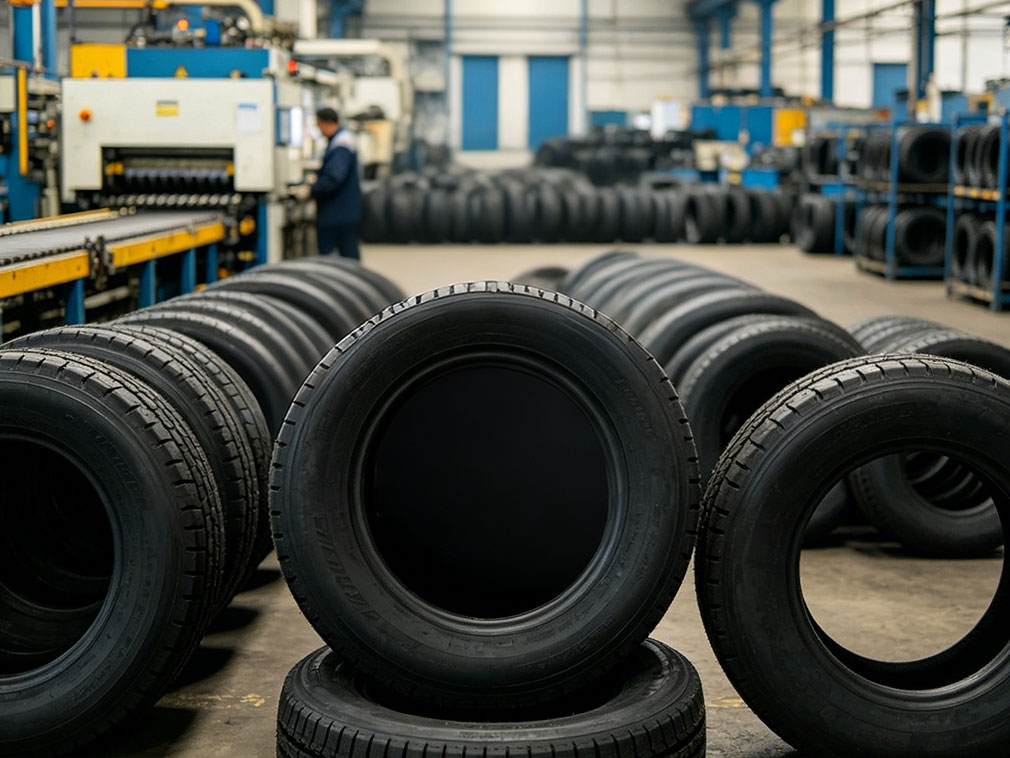
Looking at the market trading atmosphere that day, the rise in futures prices did improve sentiment in the spot market, with holders slightly raising their offers and maintaining a relatively firm stance. However, downstream factories are still purchasing with a cautious, need-to-buy approach, mostly replenishing in small batches at high frequencies. Large-scale stockpiling is rare, and overall transaction volume is low, with trading activity only slightly below average.
Considering both supply and demand, natural rubber currently lacks strong positive support. On the supply side, it is in a seasonal increase period, and there is a possibility that raw material prices will decline, easing cost support.
On the demand side, the industry is dragged down by the off-season, and the recovery of end-consumer demand is sluggish, with no significant demand-driven momentum yet. Short-term bullish and bearish factors are thus mutually constraining each other, and market sentiment in the futures market can only cause rubber prices to fluctuate slightly, without establishing a clear trend.
It is estimated that the domestic natural rubber market will continue to oscillate within a range in the short term. Going forward, it is crucial to monitor weather changes in major producing areas, the progress of raw material supply, and the pace of tire factory operations, shipments, and restocking.






