
BKT Advocates Indian Tire Circular Economy
As international oil prices surged again due to geopolitical conflicts, BKT, a tire giant based in India, appealed to the Indian commercial vehicle tire industry to adopt tire retreading. This is expected to reduce the Indian tire manufacturing industry's dependence on imported crude oil and significantly reduce operating expenses for transport fleets.
In the second quarter of 2026, the Middle East remained tense, leading to a significant rise in international crude oil prices. This surge directly impacted the Asian tire manufacturing industry, making companies already highly sensitive to raw material prices even more vulnerable. On July 20th, BKT published an article titled "The Impact of India's Energy Vulnerability on Tires," incisively pointing out that short-term oil price fluctuations are merely a surface issue; the real weakness of the Indian tire industry lies in its ingrained "one-time use" mentality.
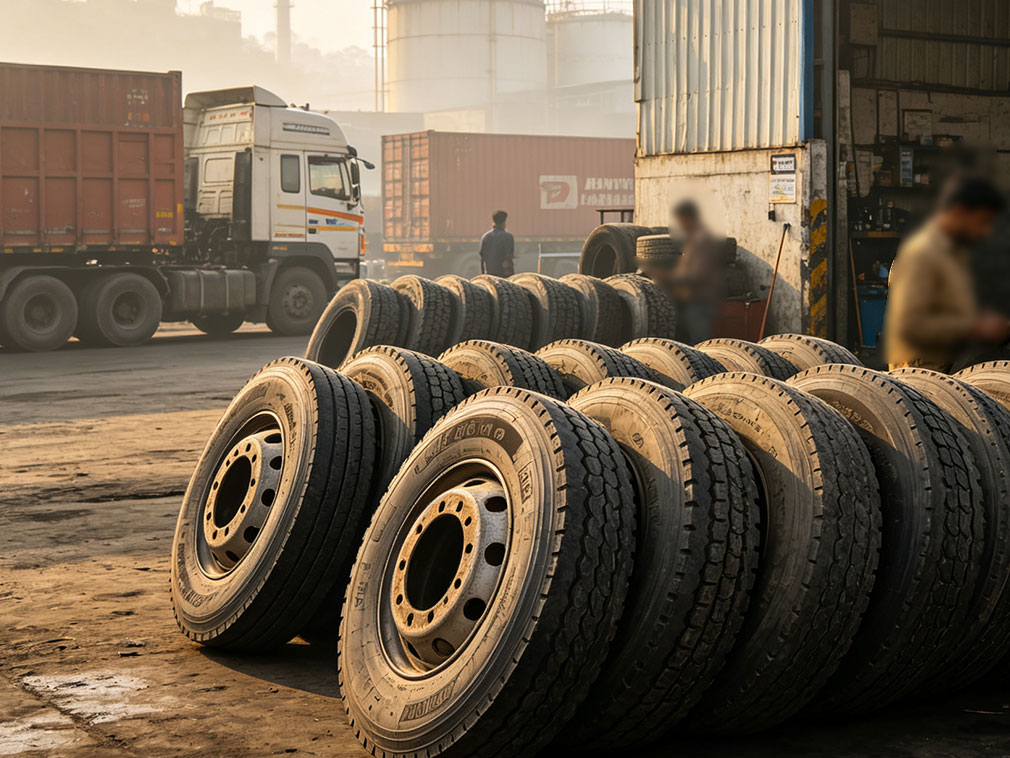
Behind this mentality is an industrial structure heavily reliant on imported crude oil and upstream raw materials. In BKT's view, the well-established tire retreading model in European and American markets is an efficient solution adapted to India's current predicament. It's not a stopgap measure, but a crucial part of industrial restructuring.
The economics of retreading are actually quite clear. BKT's test data shows that the procurement cost of a retreaded tire is 40% to 50% lower than that of a brand-new tire, and it can still retain 80% of the original tire's mileage after the first retreading. Under proper vehicle maintenance standards, a second retreading of Indian truck and bus tires can extend their overall lifespan by 50%. In other words, the value of tires is redefined—they are no longer consumables that end after the tread has worn out, but rather a reusable fixed asset.
In Europe and America, truck and bus tire retreading is already a standardized operation, safe, reliable, and environmentally friendly. A qualified tire can technically be retreaded up to five times. However, in India, this industry is far from mature. The industry is underdeveloped, with low industrialization and a fragmented market. Many retreading businesses are hidden in informal workshops, resulting in inconsistent product quality and a persistent lack of consumer trust in retreaded tires.
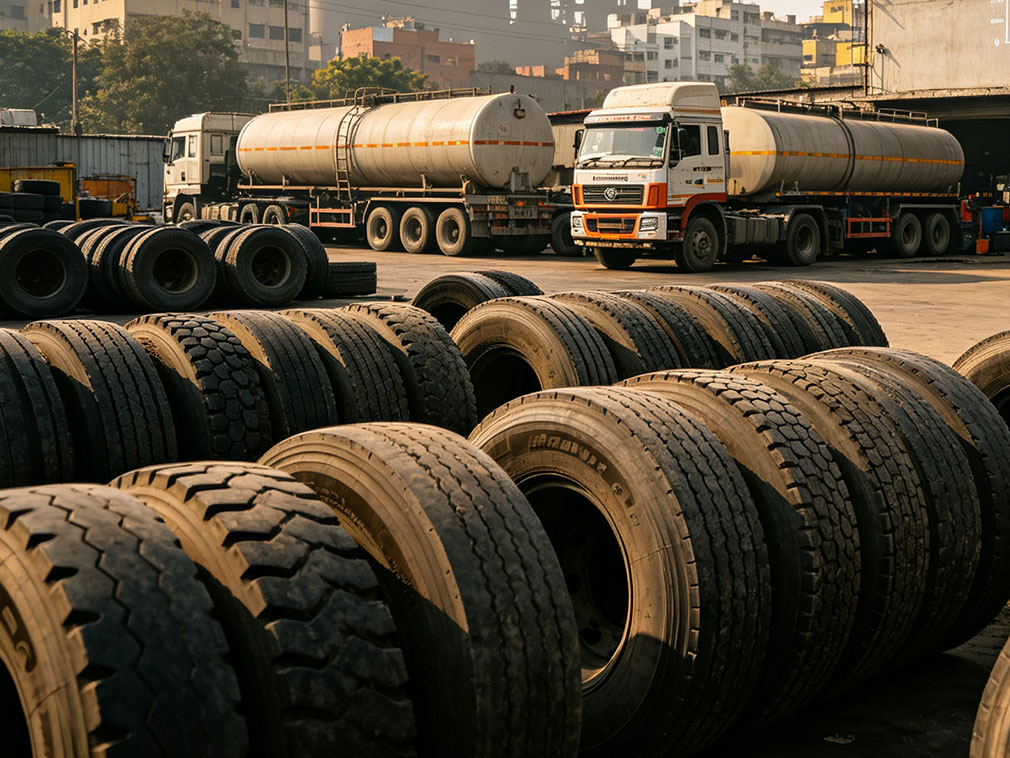
The obstacles don't stop at the workshop model. Tax-wise, retreaded tires are subject to the same 18% Goods and Services Tax (GST) as new tires, without any policy support, significantly compressing companies' profit margins and reducing their willingness to actively develop this industry. In terms of consumer perception, transportation professionals generally treat tires as ordinary consumables to be discarded once worn out, ignoring the fact that the tire carcass is far more durable than the tread. A large number of tires with intact carcass structures are discarded simply because the tread pattern is worn down, resulting in a huge and silent waste of resources.
However, for tires to achieve compliant retreading, a standardized maintenance system is essential: precise tire pressure control, regular axle calibration, compliant loading, and scientific tire rotation—each seemingly trivial daily maintenance step is a prerequisite for determining whether the tire carcass can be retreaded. Unfortunately, India's commercial vehicle maintenance system currently lacks unified standards, directly slowing down the research and mass production of compliant retreaded tires.
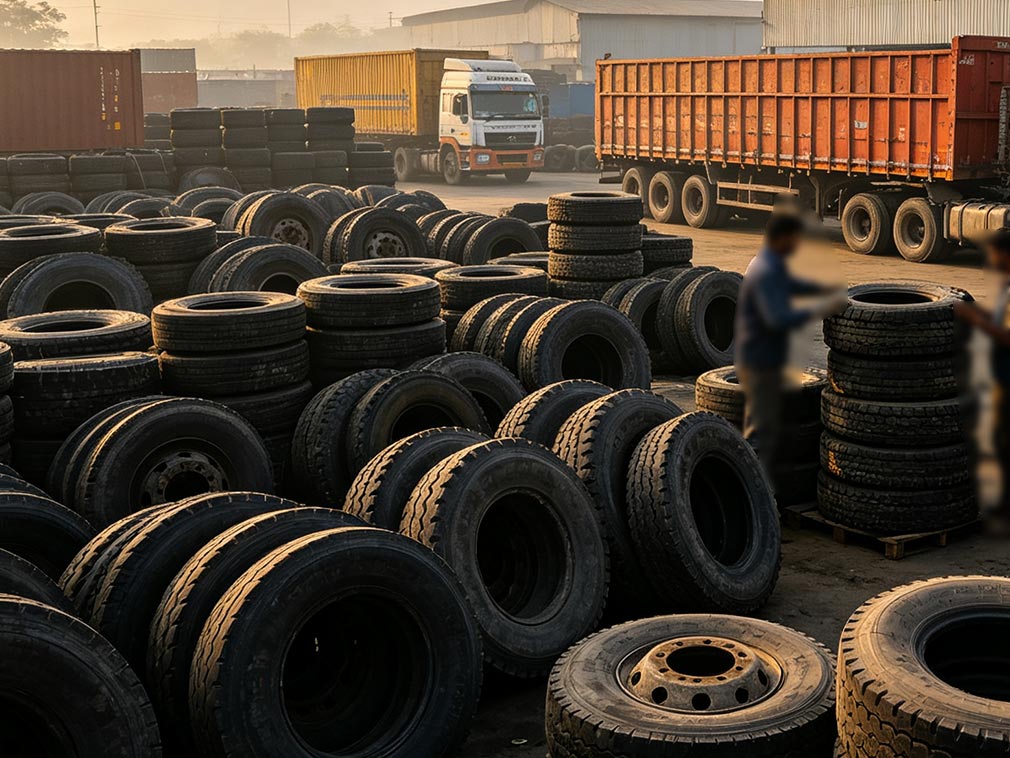
However, the other side of the coin is a huge potential market. India scraps and replaces 1.5 million to 2 million tons of used tires annually, representing a considerable resource reserve. Calculations show that a single truck or bus tire, through retreading and reuse, can save 12.5 gallons of crude oil. Given that India imports over 85% of its crude oil, promoting retreading has transcended mere commercial considerations, rising to the level of national energy security and a green circular economy.
The market is also sending signals. India's monthly demand for truck and bus tire replacements exceeds 800,000 units, while retreaded tires currently only account for 20% to 30% of the market. This penetration gap represents a largely untapped blue ocean market. From single-use to multiple-cycle applications, the Indian tire industry may be standing at a profound turning point in its mindset and business model.






