OEM轮胎与普通轮胎对比指南
原厂轮胎的核心价值在于其与车辆的高度匹配性,这是普通轮胎无法比拟的。汽车制造商与轮胎品牌经过数月的匹配测试合作,从胶料到结构全方位优化,以适应每款车型的独特特性。
例如,固特异为特斯拉Model Y设计的e-Race轮胎,其侧壁上有一个独特的T0标记。采用的低滚阻配方能提升5%-8%的续航里程,且降噪材料精准匹配电动车“无发动机噪音”的特性,相比普通轮胎,高速行驶时轮胎噪音降低了3-5分贝。
对于汽油动力车辆而言,兼容性同样至关重要。别克凯越的原厂轮胎,经过工程师反复调校,采用195/55R15的胎面设计,兼顾操控与舒适,与车辆悬挂系统形成“协同效应”,在刹车距离和燃油经济性上达到最佳平衡。这些轮胎通常还带有品牌专属认证,如宝马的星标和奔驰的MO标志,每一项认证背后都有数百项实际测试数据的支持。
For gasoline-powered vehicles, compatibility is equally crucial. The Buick Excelle's OEM tires, repeatedly tuned by engineers, feature a 195/55R15 tread design that balances handling and comfort, creating a "synergistic effect" with the vehicle's suspension system, achieving optimal balance in braking distance and fuel economy. These tires also often bear brand-specific certifications, such as BMW's star and Mercedes-Benz's MO, each backed by hundreds of real-world test data points.

常规轮胎的“场景特定优势”:更实用
尽管常规轮胎未经原厂认证,但在性价比和场景适应性方面提供了更大的灵活性。对于家庭用车而言,常规轮胎的优势尤为明显:第三方数据显示,一条米其林PS4原厂轮胎价格在600-800元,使用寿命为4-5万公里;而一条国产品牌朝阳RP76仅需350-450元,却拥有7万公里的使用寿命,在5年使用期内能节省超过1200元。
普通轮胎迭代更快,以满足特定需求。例如,米其林ENERGY XM2轮胎专为中国路况设计,其耐磨性比部分原厂轮胎高出20%,更适合常行驶于乡村道路的驾驶者。
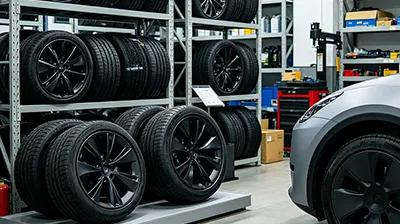
新能源汽车车主可选择普利司通Ecopia节能轮胎,其滚动阻力系数比普通轮胎降低20%,使Model 3的城市续航增加25公里。此外,常规轮胎更易购买,而原厂配套轮胎因批发商库存有限,在急需时往往难以获得。
Regular tires iterate faster to address specific needs. For example, the Michelin ENERGY XM2, designed specifically for Chinese road conditions, offers 20% better wear resistance than some OEM tires, making it more suitable for drivers who frequently drive on rural roads.
Owners of new energy vehicles can choose the Bridgestone Ecopia energy-saving tire, whose rolling resistance coefficient is 20% lower than that of regular tires, increasing the urban range of a Model 3 by 25km. Furthermore, regular tires are easier to purchase, while original equipment manufacturer (OEM) tires are often unavailable when urgently needed due to limited wholesaler stock.

核心选择逻辑:匹配需求比“OEM标签”更为重要。
三种应优先考虑原厂轮胎的情况:
高端车型(如宝马5系、特斯拉Model Y):原厂轮胎的静音性与操控调校与车辆定位高度契合;若更换为普通轮胎,可能会降低驾驶体验。
频繁高速行驶:原厂轮胎经过严格的载荷与速度等级测试,确保更可靠的高速稳定性。
追求“无缝贴合”:若不想为轮胎与车辆的兼容性问题烦恼,原厂轮胎堪称“懒人最佳选择”。
选择常规轮胎更为经济划算的场景:
家庭紧凑型轿车(如朗逸、卡罗拉):年均行驶里程低于1.5万公里,选用常规舒适型轮胎完全足够,性价比更高。
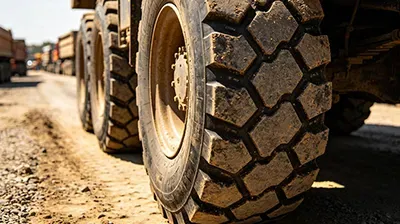
特殊路况要求:频繁行驶于崎岖路面时,应选用抗穿刺的标准轮胎;多雨地区则需更换排水性能更佳的轮胎。
新能源汽车节能要求:部分标准低滚阻轮胎在续航提升方面与原厂轮胎相当,但价格降低了30%。
Scenery where choosing regular tires is more cost-effective:
Family compact cars (e.g., Lavida, Corolla): With an average annual mileage of less than 15,000 kilometers, regular comfort tires are perfectly adequate, offering better value for money.
Special road condition requirements: For frequent driving on rough roads, choose puncture-resistant standard tires; for rainy areas, switch to tires with better water drainage.
Energy-saving requirements for new energy vehicles: Some standard low rolling resistance tires offer comparable range improvement to original equipment manufacturer (OEM) tires, but at 30% lower prices.

避开陷阱:切勿被“原厂崇拜”误导
原始设备制造商
OEM 轮胎并非所有原厂轮胎都是“高端”的。部分A级车的原配轮胎属于“成本控制定制轮胎”,仅满足基本安全要求,其实际性能甚至不及同品牌的普通高端轮胎。
更换轮胎时,请重点关注以下核心参数:尺寸必须与原厂一致(例如,原厂205/55 R16不可替换为215/50 R17),生产日期不宜超过5年,保持胎压在2.3-2.5巴之间可延长轮胎使用寿命1万至2万公里。
When replacing tires, pay more attention to the following core parameters: the size must be consistent with the OEM (e.g., OEM 205/55 R16 cannot be replaced with 215/50 R17), the production date should not exceed 5 years, and maintaining tire pressure at 2.3-2.5 bar can extend tire life by 10,000-20,000 kilometers.