重型与轿车刹车片对比
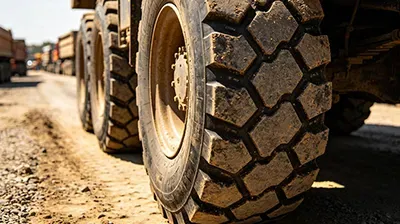
装载机作为一种工程机械,主要应用于矿山、建筑工地、港口等重载作业环境。它们常常需要应对爬坡、装载重物以及长时间制动等极限工况。
一次制动的负荷可达数吨乃至数十吨,且工作环境常伴有尘土飞扬、高温潮湿,这对刹车片的耐磨性、耐高温性及抗冲击性提出了极高要求。
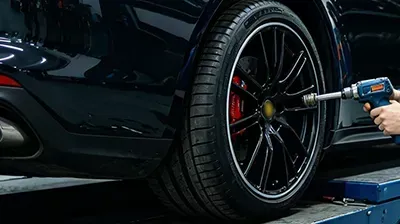
另一方面,乘用车主要行驶在城市道路和常规路况的高速公路上,车速较高(可达120公里/小时以上),制动频繁但单次负载较小(通常不超过2吨)。它们注重制动的灵敏性、静音性、舒适性以及对刹车盘的保护,同时还需符合环保排放标准。
材料选择:重型耐磨与精准制动之间的权衡
装载机刹车片:主要采用陶瓷基复合材料或金属基烧结材料制成。金属基烧结材料是通过铁、铜、石墨等金属粉末高温烧结而成,金属含量高达60%-80%,硬度达到HRC35-45,能承受800-1200℃的高温,在重载制动时不易出现热衰退现象。
Material Selection: A Trade-off Between Heavy-Duty Wear Resistance and Precise Braking
Loader Brake Pads: Primarily made of ceramic matrix composites or metal matrix sintered materials. Metal-based sintered materials are made by high-temperature sintering of metal powders such as iron, copper, and graphite. With a metal content as high as 60%-80%, they achieve a hardness of HRC35-45 and can withstand temperatures of 800-1200℃, making them less prone to heat fade during heavy-load braking.

陶瓷基复合材料融入氧化铝和碳化硅等陶瓷颗粒,使耐磨性提升超过30%,同时减少了对刹车盘的磨损,适用于高粉尘的恶劣环境。部分高端装载机还采用碳纤维增强材料,以进一步提高耐高温性能及使用寿命。
乘用车刹车片:主流材质为树脂基复合材料,主要成分包括树脂、纤维(玻璃纤维、芳纶纤维)、摩擦调节剂及填料,金属含量仅占10%-30%。
Passenger car brake pads: The mainstream material is resin-based composite material, whose main components include resin, fibers (glass fiber, aramid fiber), friction modifiers, and fillers, with a metal content of only 10%-30%.

该材料具有稳定的摩擦系数(0.35-0.45),能提供快速的制动响应,满足客车高频、低负载的制动需求,同时噪音低、粉尘少,符合环保要求。
高性能乘用车或跑车通常采用陶瓷刹车片,其摩擦系数较高(0.4-0.5),能承受600-800℃的高温,从而在制动性能与舒适性之间取得平衡。
结构设计:可适配多种制动系统
装载机刹车片:多采用多片式结构,适用于鼓式制动系统(部分大型装载机采用盘式制动)。刹车片厚度通常在20-30毫米之间,比乘用车刹车片厚2-3倍,表面设计有防滑槽和散热孔,以增强制动过程中的稳定性和散热性能。
由于装载机在制动时需要传递巨大的扭矩,刹车片与刹车鼓之间的接触面积更大,通常覆盖刹车鼓内壁的70%以上,以确保力量均匀分布,防止局部过热。此外,装载机刹车片还配备了加强型钢背板,以增强结构强度,防止制动过程中发生变形。
乘用车刹车片:主要为单片结构,适用于盘式制动系统(小型乘用车较少使用鼓式制动)。刹车片厚度通常为8-12毫米,表面带有导屑槽及降噪垫。
芯片导向槽有效清除制动过程中产生的灰尘,而减噪垫通过缓冲结构降低制动噪音。乘用车刹车片与刹车盘的接触面积较小,约占刹车盘表面积的30%-50%,但制动反应更迅速,满足城市频繁启停驾驶的需求。
一些高端乘用车采用通风盘式制动器,并结合刹车片上的散热设计,以提升在高温条件下的制动性能。
性能参数:关键指标差异显著
摩擦系数:装载机刹车片的摩擦系数通常为0.4-0.6,在高温(600℃以上)和重载条件下仍能保持稳定,以防止刹车衰退和失效。轿车刹车片的摩擦系数在0.35-0.45之间,注重常温下的制动灵敏性;高温时,摩擦系数降至0.35-0.45仍足以满足需求。使用寿命:装载机刹车片的使用寿命大约在5,000至10,000小时之间,具体取决于作业强度。在重载工况下,可能缩短至3,000小时。轿车刹车片的使用寿命约为30,000至60,000公里。市区频繁制动可能使其缩短至20,000-30,000公里,而高速公路行驶则可延长至80,000-100,000公里。
制动噪音:装载机对制动噪音的要求较低,因为其工作环境本身嘈杂,制动片设计无需过多考虑静音性。而乘用车则对制动噪音极为敏感,制动片需在材料与结构设计上(如增设消音片和缓冲层)进行优化,以将噪音控制在60分贝以下。
环境要求:乘用车刹车片需符合欧盟R90标准,限制重金属(铅、镉、汞)含量,且粉尘排放需达到环保标准。而装载机刹车片因应用场景特殊,环境标准相对宽松,但部分高端工程设备已开始采用低粉尘、无重金属的环保材料。
The chip guide grooves effectively remove dust generated during braking, while the noise-reducing pads decrease braking noise through a buffer structure. Passenger car brake pads have a smaller contact area with the brake disc, approximately 30%-50% of the brake disc's surface area, but offer faster braking response, meeting the demands of frequent start-stop driving in urban areas.
Some high-end passenger cars utilize ventilated disc brakes, combined with heat dissipation designs on the brake pads, to improve braking performance at high temperatures.
Performance Parameters: Key Indicators Differ Significantly
Coefficient of Friction: Loader brake pads typically have a coefficient of friction of 0.4-0.6, remaining stable under high temperatures (above 600℃) and heavy loads to prevent brake fade and failure. Passenger car brake pads have a coefficient of friction of 0.35-0.45, prioritizing braking sensitivity at normal temperatures; a decrease in the coefficient of friction of 0.35-0.45 at high temperatures is sufficient to meet requirements. Service Life: The service life of loader brake pads is approximately 5,000-10,000 hours, depending on the intensity of operation. Under heavy loads, it may be shortened to 3,000 hours. Passenger car brake pads have a service life of approximately 30,000-60,000 kilometers. Frequent braking in urban areas can shorten this to 20,000-30,000 kilometers, while highway driving can extend it to 80,000-100,000 kilometers.
Brake Noise: Loaders have lower requirements for braking noise, as the operating environment is inherently noisy, and brake pad design does not require excessive consideration of quietness. Passenger cars, however, are extremely sensitive to braking noise, and brake pads need to be optimized in terms of materials and structural design (such as adding sound-dampening pads and buffer layers) to control noise below 60 decibels.
Environmental Requirements: Passenger car brake pads must comply with the EU R90 standard, limiting the content of heavy metals (lead, cadmium, mercury), and dust emissions must meet environmental protection standards. Due to the special application scenarios of loader brake pads, environmental standards are relatively lenient, but some high-end engineering equipment is beginning to use low-dust, heavy metal-free environmentally friendly materials.

安装与维护:适应多种使用场景
安装难度:装载机刹车片体积大且重(每片5-10公斤),需要专用工具和设备进行安装。
制动鼓的调整同样必不可少,以确保适当的间隙,这通常需要专业技师来完成。轿车刹车片体积小、重量轻(每片约0.5-1公斤),安装过程较为简便;部分车主可自行更换,但需注意刹车片与刹车盘之间的配合情况。
维护周期:装载机
Adjustment of the brake drum is also necessary to ensure proper clearance, and this usually requires professional mechanics. Passenger car brake pads are small and lightweight (approximately 0.5-1kg per pad), with a simpler installation process; some owners can replace them themselves, but attention must be paid to the fit between the brake pads and brake discs.
Maintenance Cycle: Loader 刹车片需定期检查厚度与磨损情况,每500小时进行一次保养,包括清理表面积尘与杂物,并调整刹车间隙。乘用车刹车片通常每1万公里检查一次;厚度低于3毫米时需更换。同时,应检查刹车盘的磨损状况,以防因刹车片过度磨损造成损害。