影响轮胎寿命的因素
作为车辆唯一与路面接触的部分,轮胎的性能和寿命不仅影响驾驶安全,也直接影响驾驶体验。看似简单的橡胶制品,实则是由橡胶、钢丝、帘布层及200多种化学物质精心组合而成的复杂工业产品。
这些化学品包括硫化剂、抗氧化剂、增强剂和增塑剂,每种都有特定的功能。硫化剂可稳定交联的橡胶分子,增强其强度。
抗氧化剂可减缓橡胶老化,延长其使用寿命,而补强剂则能提高轮胎的耐磨性。然而,这些200多种化学物质的存在使得轮胎成型后内部分子结构的运动与沉降难以同步。
Antioxidants slow rubber aging and extend its service life, while reinforcing agents enhance the tire's wear resistance. However, the presence of these over 200 chemical substances makes it difficult to synchronize the movement and sedimentation of the tire's internal molecular structure after it is formed.

在轮胎生产过程中,经过硫化工艺后,橡胶分子与各种化学添加剂之间会发生复杂的化学反应。然而,这些反应在生产结束时并未完全停止。在成品轮胎内部,不同分子的活性各不相同。小分子添加剂(如增塑剂)可能仍在缓慢迁移,同时橡胶分子的交联结构也在持续优化。
这些分子层面的动态变化导致轮胎在初期物理性能不稳定,耐磨性、弹性等关键指标尚未达到最佳状态。此时急于安装使用,不仅会影响其性能表现,还可能缩短整体使用寿命。
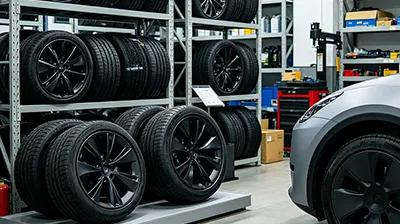
为了使轮胎内部的分子结构充分释放应力并趋于稳定,行业普遍认为需要经过一段“老化”期。通常情况下,轮胎在成型后存放8到12个月,内部分子运动逐渐稳定,各项性能指标进入稳定期。
此时,轮胎的橡胶硬度、弹性和耐磨性已达到最佳设计水平。安装到车辆上后,能更好地承受路面冲击,减少行驶过程中的能量损耗,为其后续使用寿命奠定坚实基础。
然而,稳定期只是轮胎使用寿命中的一个重要阶段。真正决定其寿命的关键因素在于轮胎上路后的路况、驾驶环境以及驾驶者习惯。
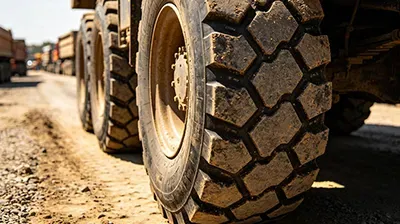
道路状况因路面情况不同而有很大差异。长期在平坦、干净的高速公路或城市沥青道路上行驶时,轮胎与路面接触相对均匀,磨损较慢。然而,频繁在崎岖的山路、碎石路或布满尖锐碎石、玻璃碎片等杂物的路面上行驶,不仅会使轮胎承受更大的冲击和挤压,还会增加胎面划伤和刺穿的风险,导致鼓包、裂纹等损坏,显著缩短轮胎使用寿命。
此外,道路上积聚的水、雪和冰也会对轮胎产生不利影响。积水会降低轮胎与路面之间的摩擦力,增加打滑的风险。水还可能渗入轮胎内部,加速橡胶老化。积雪和结冰会显著降低轮胎抓地力,更容易发生侧滑和失控。为了确保行车安全,驾驶员往往需要频繁制动和转向,这进一步加剧了轮胎磨损。
驾驶环境也是影响轮胎寿命的重要因素。不同的气候条件,如高温、低温和湿度,会对轮胎的性能和寿命产生不同的影响。在高温环境下,轮胎内部空气受热膨胀,导致胎压升高。过高的胎压会造成轮胎胎面中央部分过度磨损。同时,高温还会加速橡胶老化,降低其弹性和强度,使其更容易出现裂纹和爆胎。
在低温环境下,橡胶会变硬变脆,失去弹性和柔韧性,使得轮胎在行驶中受到冲击时更容易损坏。低温还会降低轮胎与路面之间的摩擦力,影响车辆的操控性能。此外,在空气污染严重且酸碱含量较高的环境中长时间行驶,化学物质会腐蚀轮胎表面,加速橡胶老化和损坏。
However, the stable period is only one important stage in a tire's lifespan. The key factors that truly determine its lifespan lie in the road conditions, driving environment, and driver habits once the tire is installed on the road.
Road conditions vary significantly depending on the road surface. Long-term driving on smooth, clean highways or urban asphalt roads ensures relatively even contact between tires and the road, leading to slower wear. However, frequent driving on rugged mountain roads, gravel roads, or roads covered with sharp debris like gravel and glass fragments not only exposes tires to greater impact and compression, but also increases the risk of scratches and punctures on the tread, resulting in bulges, cracks, and other damage, significantly shortening their service life.
Additionally, accumulated water, snow, and ice on the road can also adversely affect tires. Water reduces friction between the tire and the road, increasing the risk of slipping. Water can also penetrate the tire's interior, accelerating rubber aging. Accumulated snow and ice can significantly reduce tire grip, making it more likely to skid and lose control. To ensure driving safety, drivers often need to brake and steer frequently, further exacerbating tire wear.
Driving environment is also a significant factor affecting tire life. Different climates, such as high temperatures, low temperatures, and humidity, can have varying effects on tire performance and life. In high-temperature environments, the air inside the tire expands due to heat, causing the tire pressure to rise. Excessive tire pressure can cause excessive wear in the center of the tire tread. High temperatures also accelerate rubber aging, reducing its elasticity and strength, making it more susceptible to cracking and blowouts.
In low-temperature environments, rubber becomes hard and brittle, losing its elasticity and flexibility. This makes tires more susceptible to damage when impacted during driving. Low temperatures also reduce friction between the tire and the road, affecting vehicle handling. Furthermore, prolonged driving in environments with severe air pollution and high acid and alkaline content can corrode the tire surface with chemicals, accelerating rubber aging and damage.

驾驶习惯对轮胎寿命有更直接且显著的影响。不良的驾驶习惯,例如突然加速、急刹车和急转弯,会在短时间内使轮胎承受较大的负荷和摩擦。在突然加速时,轮胎与路面发生剧烈的滑动摩擦,导致胎面磨损加剧。
紧急制动时,轮胎承受巨大的制动力,使得胎面与路面之间的摩擦系数显著增加。
这不仅会迅速升高胎面局部温度,加速橡胶老化,还会导致胎面磨损不均。在急转弯时,轮胎侧壁承受较大的侧向力,长期下来容易造成轮胎侧壁鼓包、裂纹等损伤。此外,长期超载也是导致轮胎损坏的重要因素之一。
During sudden braking, the tires are subjected to tremendous braking force, dramatically increasing the coefficient of friction between the tread and the road.
This not only rapidly increases the local temperature of the tread, accelerating rubber aging, but can also lead to uneven tread wear. During sharp turns, the tire sides experience significant lateral force, which can easily cause bulges, cracks, and other damage to the tire sides over time. Furthermore, long-term overloading is another significant factor in 轮胎损害。
超载会导致轮胎承受的负荷超过其设计承载能力,从而引起胎面过度磨损。同时还会增加轮胎内部温度,加速橡胶老化和轮胎疲劳断裂。严重时甚至可能引发爆胎。
Overloading can cause the tire's load to exceed its designed load capacity, leading to excessive tread wear. It can also increase the temperature inside the tire, accelerating rubber aging and tire tire tire fatigue fracture. In severe cases, it can even cause a tire blowout.