
Chinese Tire Makers Global Factory Expansion
For over a decade, under the pressure of increasingly stringent trade barriers, establishing factories overseas has become a core strategy for Chinese tire companies to break through international market blockades. Starting in Southeast Asia and now spanning four continents—Asia, Africa, Europe, and America—the globalization of Chinese tires has moved from isolated trials to a systematic strategic deployment.
Southeast Asia: The Foundation of Production Capacity
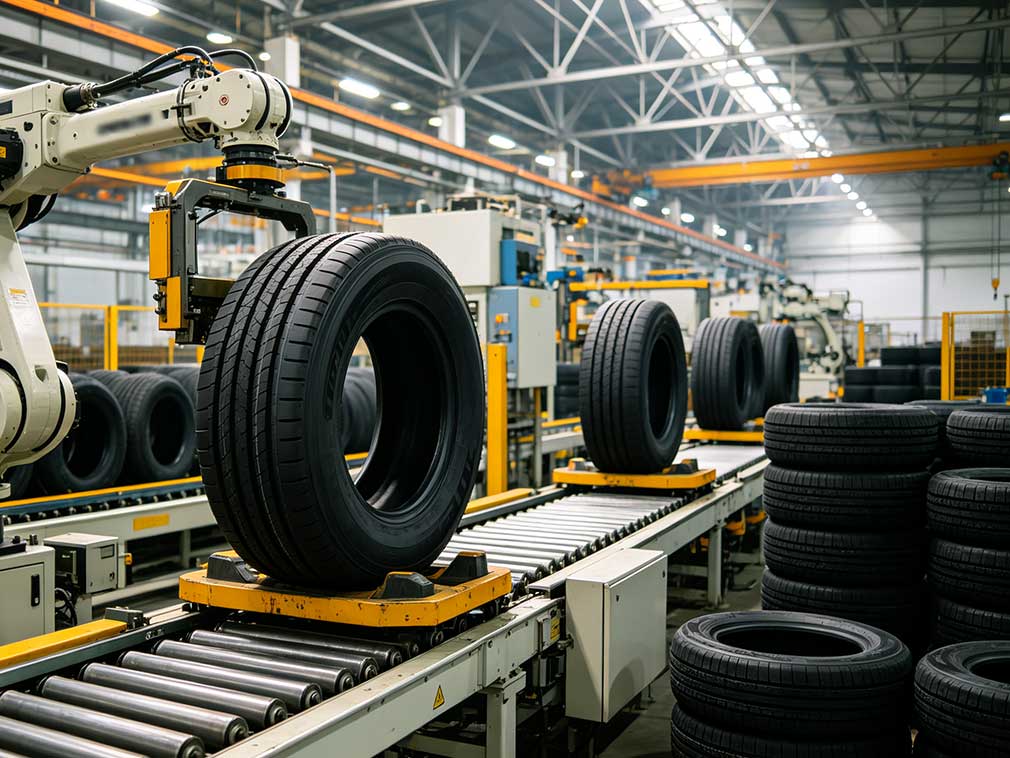
Southeast Asia remains the region with the most concentrated overseas production capacity for Chinese tires, covering Thailand, Vietnam, Cambodia, Indonesia, and Malaysia, with over 20 factories. Its core advantages lie in its proximity to major global natural rubber producing areas, low land, labor, and energy costs, and the fact that many countries enjoy preferential tariff arrangements with Europe and the US.
Thailand is a hub for leading companies, with companies like Zhongce, Linglong, Sentury Tire, Prinx Chengshan, and General Electric already in operation, boasting a mature supply chain. However, since the US initiated anti-dumping and countervailing duties on Thai passenger car tires in 2021, Thai production capacity is shifting from a "tariff avoidance springboard" to a "global supply hub."
While Vietnam was one of the earliest destinations for Chinese tire companies to expand overseas (Sailun established its presence there in 2012), the risks are rapidly increasing. In 2026, the Office of the United States Trade Representative launched three rounds of Section 301 investigations against Vietnam, involving overcapacity, forced labor, and intellectual property rights. Vietnam was listed as a "priority foreign country" for the first time in 13 years. Once "origin penetration review" is implemented, Vietnam's function as a safe haven will be significantly diminished.
Cambodia has seen the most concentrated investment in the past three years. Sailun was the first to enter the market, followed quickly by General Motors, Double Star, Zhengdao, Fomax, and Wanli, with tire exports jumping from $870 million in 2024 to $1.38 billion in 2025. Low costs combined with a window of opportunity before being affected by US anti-dumping and countervailing duties have led to explosive growth, but the price competition caused by concentrated production capacity and future review risks cannot be ignored.
Indonesia and Malaysia offer differentiated supplements: Zhongce and Sailun have already established operations in Indonesia, while Prinx Chengshan and Newland Rubber have set up operations in Malaysia, focusing on regional niche markets.
Beyond Southeast Asia: Three New Battlefields
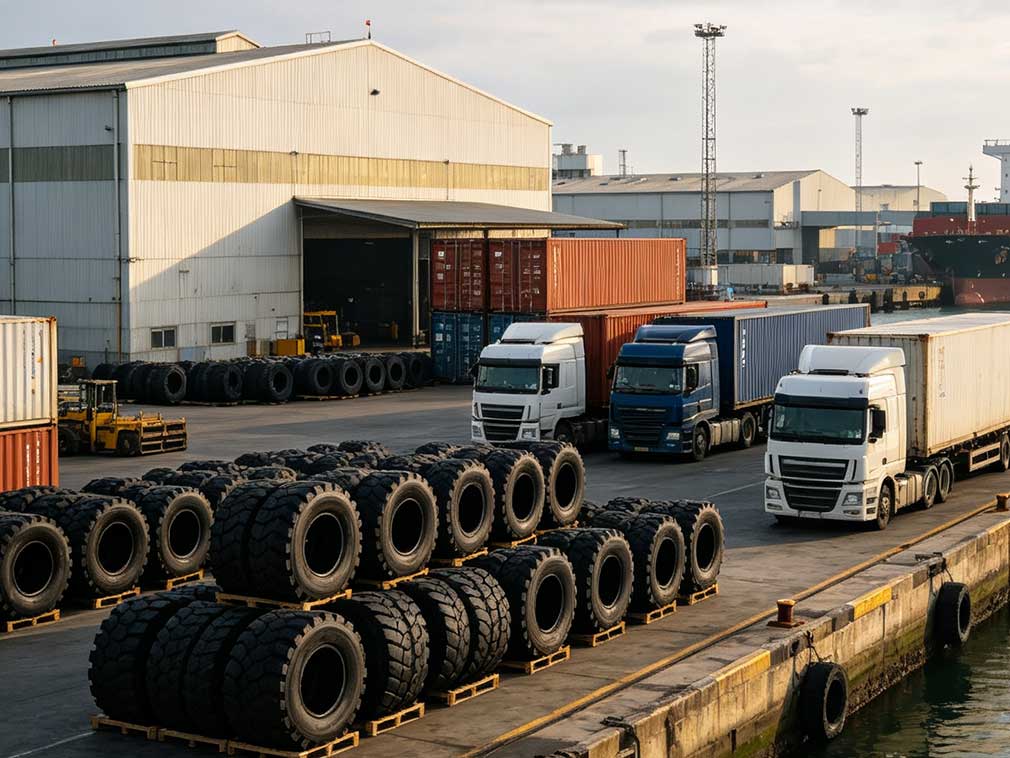
Faced with rising costs and stricter trade reviews in Southeast Asia, leading companies are accelerating their expansion into Africa, North America, and Europe.
In North Africa, Morocco and Egypt have free trade agreements with the EU, allowing locally produced tires exported to the EU to enjoy tariff reductions. Sentury Tire's Morocco plant, with an annual capacity of 12 million tires, began production in September 2024 and is currently ramping up production; Yongsheng Rubber and Guizhou Tire have also established operations there. Egypt is home to two major production or contracted bases: Sailun and Langma.
Mexico, relying on the USMCA (United States-Mexico-Canada Agreement), allows tires conforming to rules of origin to enter the US tariff-free. Sailun achieved its first tire production line in May 2025, and Zhongce's plant is expected to begin production by the end of 2026. Huafeng Rubber further acquired Sumitomo Rubber's New York State plant in October 2025, marking the first time a Chinese company has tire production capacity in the US. However, with the USMCA's six-year joint review imminent in July 2026, the US has clearly stated its intention to tighten rules of origin, narrowing the space for "simple re-export for risk avoidance."
In Europe, Linglong Tire's Serbian plant Phase I began mass production in September 2024 and has passed the audits of 11 global automakers, including Volkswagen, BMW, and Audi. Starting in 2026, its OEM business will enter a concentrated mass production phase. Establishing a local factory not only avoids the EU's maximum 45.3% anti-dumping duty on Chinese tires but also represents a rigid barrier to entering the European OEM system.
Risk Warning: Going global is not a panacea. First, the window for tariff advantages is narrowing—the US is escalating from suppressing China to blocking all pathways for production capacity transfer, as evidenced by the three rounds of Section 301 investigations in Vietnam and the tightening of USMCA rules of origin. The old model of circumventing barriers by renaming the country of origin is no longer sustainable. Second, the cost advantage of Southeast Asia is diminishing year by year.
Labor cost growth in Cambodia and Vietnam has outpaced productivity increases, and overseas production costs are converging towards domestic levels. Third, overseas factories involve heavy capital and long-term investments; Sentury Tire's Spanish project has been effectively stalled for over four years due to insufficient local energy infrastructure. The competition in the future will no longer be about the number of overseas factories, but a comprehensive contest of high-end product R&D capabilities, brand pricing power, and lean global operations.






