
China’s Tire: Growth Amid Falling Profit Margins
China’s Tire Exports in H1 2026: Volume Up, Value Down – A Sector Under Pressure
In the first half of 2026, China’s tire export sector posted a clear divergence: shipment volumes continued to grow, but export value contracted. The industry relied heavily on price concessions to sustain volume momentum, placing persistent pressure on profitability. As trade barriers mount and geopolitical disruptions persist, the sector is being forced to move beyond scale-driven growth and confront a critical need for strategic upgrading.
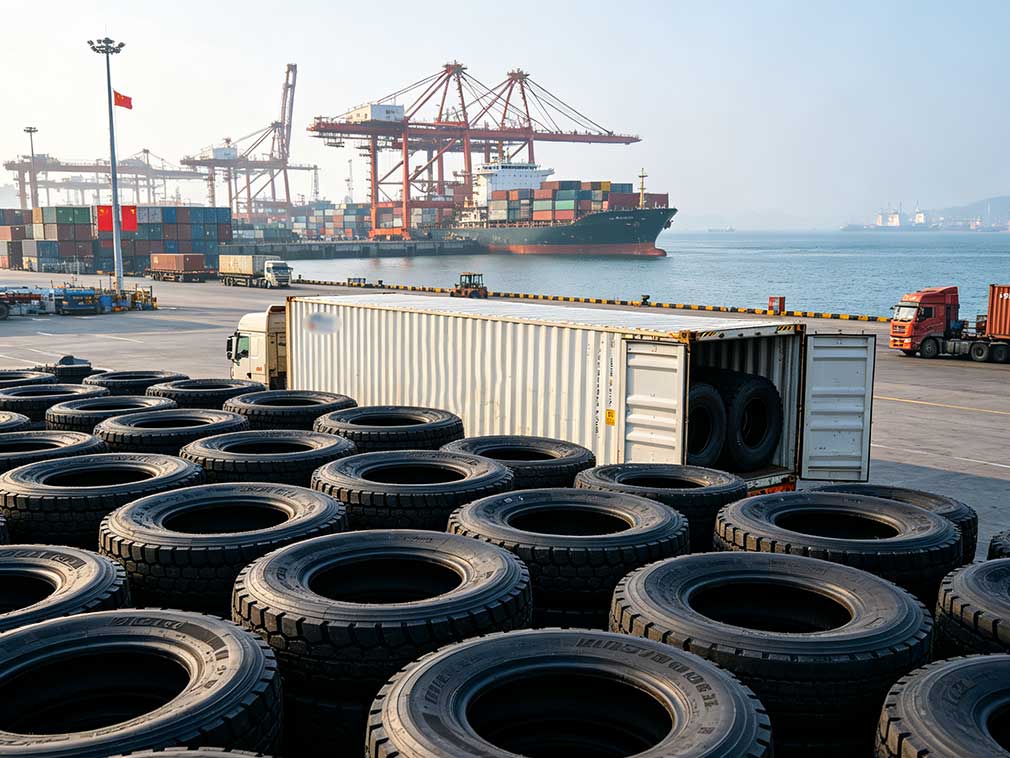
At a Glance: H1 2026 Key Metrics
-
Total exports: 4.94 million tonnes (+4.9% YoY); June surge of +11.7% YoY
-
Total export value: -1.0% YoY, reflecting a clear “volume without value” trend
-
Passenger car & truck tires: Unit sales +3.3%, but export value -3.1%
-
Core dynamic: “Selling more for less” has become the default market strategy
A Widening Gap: Volumes Rise, Margins Erode
Official customs data confirms the industry’s resilience, with cumulative tire exports reaching 4.94 million tonnes in H1 2026, a modest 4.9% year-on-year increase. Momentum accelerated in June, when single-month export growth jumped to 11.7%.
However, this volume expansion masked a steady erosion in returns. Aggregate export value slipped 1.0% year-on-year, underscoring the sector’s inability to convert shipments into higher revenue. The divergence was especially pronounced in the dominant automotive tire segment: unit sales rose 3.3%, yet corresponding export value dropped by 3.1%. What may have begun as tactical price promotions has now become the prevailing operating model, locking the industry into a passive, low-margin cycle.
Twin External Shocks Squeeze Core Profit Markets
This volume-value disconnect is not a short-term fluctuation. It is the direct result of two overlapping external forces – escalating trade barriers and geopolitical instability – that have sharply reduced access to the Chinese tire industry’s most profitable destinations.
EU Anti-Dumping Duties: The End of a High-Margin Era
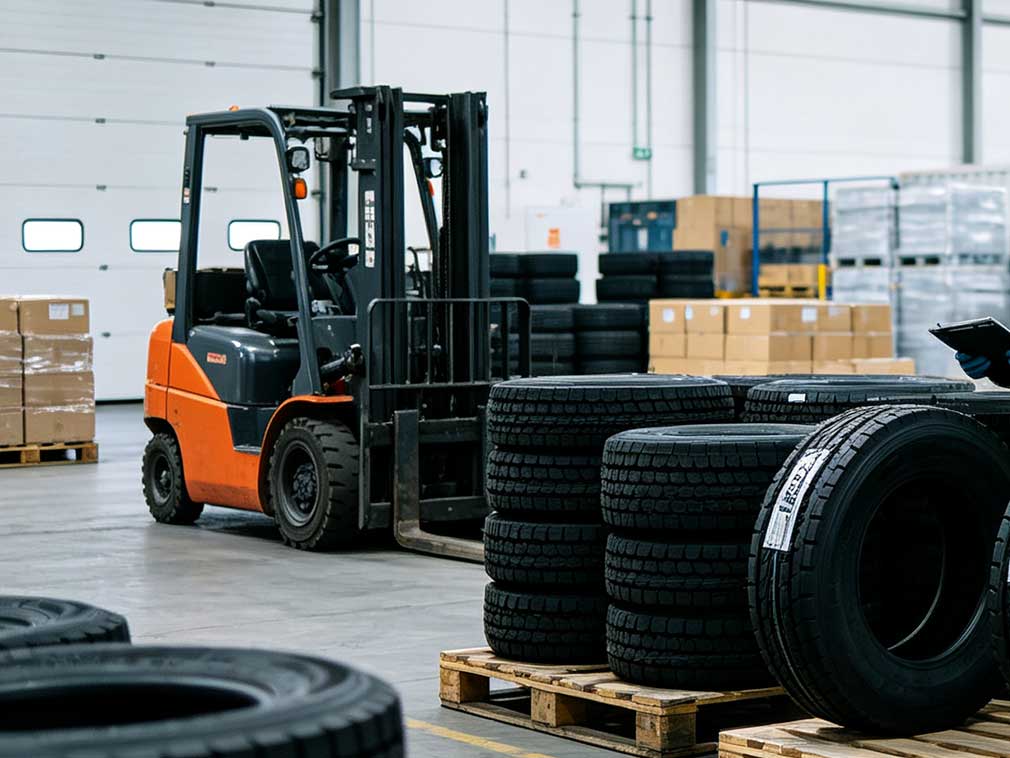
On July 8, the European Union announced the definitive findings of its AD733 anti-dumping investigation into Chinese truck and bus tires. Definitive duty rates were set between 4.3% and 45.3%. When added to the existing 4.5% basic import tariff, some exporters now face a cumulative tax burden approaching 50%, dramatically inflating their landed costs.
Anticipation of this outcome had already chilled demand: as early as May, China’s passenger car tire exports to the EU registered a year-on-year decline. This historically high-margin market is now in sustained contraction.
Middle East Disruption: Supply Chain Shocks Destabilize Trade Flows
The temporary closure of the Strait of Hormuz in late February triggered a precipitous drop in tire shipments to the Middle East in March. Although shipping lanes have since largely returned to normal, the incident has left lasting scars: elevated international freight costs, extended delivery cycles, and a profound loss of confidence among regional buyers. Export recovery to the Middle East has remained sluggish.
The simultaneous shrinkage of the EU and Middle East markets has forced Chinese tire makers to redirect surplus capacity toward price-sensitive, entry-level markets in Africa and Southeast Asia. This downstream shift in market mix has pulled average export prices even lower, structurally reinforcing the pattern of rising volume and falling value.
Three Uncertainty Clusters Weigh on the H2 2026 Outlook
Looking into the second half of 2026, China’s tire export sector will continue to navigate a complex risk landscape. Profit recovery and genuine market turnaround appear challenging. Three variables will be decisive.
Risk 1: Looming EU Countervailing Duties Add New Cost Layer
On July 6, the European Commission published its pre-disclosure for the countervailing duty case against Chinese tires. The final determination is scheduled for December 5, with no preliminary ruling or provisional measures to provide a buffer period. Once announced, the new duties will take immediate effect. Even well-positioned, compliant exporters will face incremental cost pressures, further compressing sector-wide margins.
Risk 2: Renewed Geopolitical Flashpoints Disrupt Supply Chains
Since early July, escalating U.S.-Iran tensions have again threatened free passage through the Strait of Hormuz. This not only pushes up raw material costs for key inputs such as natural rubber, but also directly suppresses demand across the broader Middle East region. Supply chain stability is once more in question, and the expected recovery rhythm for regional exports has been disrupted.
Risk 3: Overseas Production Capacity Cannibalizes Domestic Exports
Leading Chinese tire manufacturers have executed an aggressive global footprint strategy. Annual production capacity at overseas plants has surpassed 100 million units, with more than 20 Chinese companies now operating over 30 manufacturing bases worldwide. This massive localized capacity is steadily substituting for direct exports from China. Even if demand from the EU and other key markets recovers, the addressable share for domestic exporters will be structurally reduced – the cannibalization effect of China’s own offshore manufacturing is becoming a permanent feature.
Transitioning from Scale to Value: A Pivotal Phase for the Industry
China’s tire export sector has clearly moved beyond the era when volume expansion alone could deliver growth. It is now caught in a bottleneck defined by “volume without profit” and “risk as the new normal.”
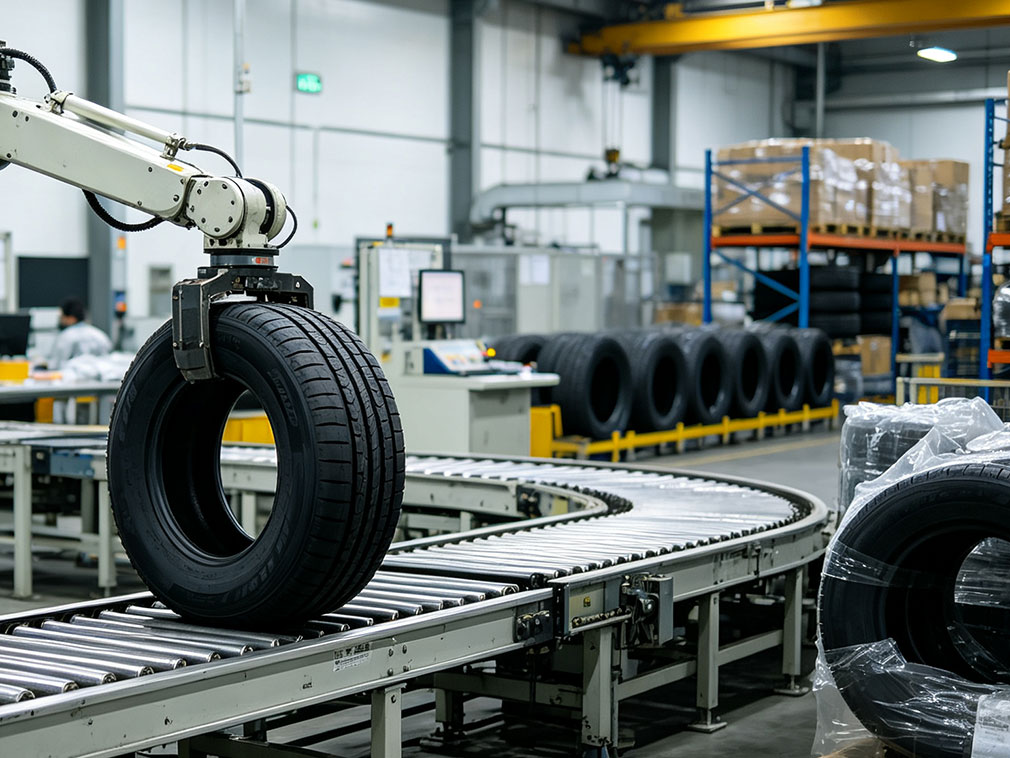
Amid high trade barriers, recurring geopolitical disruptions, and the pull of localized overseas production, the path forward hinges on a decisive strategic pivot. Breaking free from price-centric competition, elevating the product mix, increasing per-unit value, and building a resilient, high-value export framework – complemented by robust risk management mechanisms to buffer external volatility – have become imperatives for the second half of 2026 and beyond.
The industry has officially entered a critical phase of transformation and upgrading. Only by accelerating this transition can it weather the current cycle and rebuild lasting competitiveness.






