提升轮胎耐用性小贴士
作为汽车唯一与地面接触的部分,轮胎的耐磨性能直接关系到行车安全、运营成本及驾驶体验。许多车主在选购或使用轮胎时常常困惑:为何有些轮胎能轻松行驶超过10万公里,而有些仅几万公里便出现严重磨损?
实际上,轮胎的耐磨性并非由单一因素决定,而是受到轮胎设计、材料特性、使用习惯及路况等多重因素的综合影响。了解这些关键因素,有助于我们更科学地选择和保养轮胎,延长其使用寿命。
In reality, tire wear resistance is not determined by a single factor, but is influenced by a combination of factors including tire design, material properties, usage habits, and road conditions. Understanding these key factors can help us choose and maintain tires more scientifically, extending their lifespan.

从轮胎构造的角度来看,胶料配方是决定耐磨性的核心因素。轮胎橡胶主要由天然橡胶、合成橡胶及多种添加剂组成,不同配方的胶料在耐磨性上存在显著差异。
天然橡胶虽具备卓越的弹性与抓地力,但其耐磨性相对较弱;而合成橡胶(如丁苯橡胶和顺丁橡胶)则能通过调整分子结构,在耐磨性上实现突破。
目前,市场上主打耐磨性能的轮胎,往往会增加高耐磨炭黑和硅烷偶联剂等添加剂的比例。高耐磨炭黑能提升橡胶的硬度和抗撕裂性,减少行驶中因路面摩擦导致的橡胶磨损;硅烷偶联剂则加强了橡胶与填料间的结合力,防止在摩擦过程中橡胶颗粒过早脱落。
然而,调整橡胶配方存在一条“平衡法则”。过度追求耐磨性可能会导致轮胎弹性下降,从而影响舒适度和湿地抓地力。因此,制造商会根据轮胎的定位(如家庭舒适型、运动性能型、商用重型)来优化配方比例。
胎面花纹设计对耐磨性也有显著影响。设计合理的胎面结构能有效分散摩擦压力,延缓磨损。首先,胎面深度是关键指标;较深的胎面沟槽提供了更长的“磨损余量”,尤其是在粗糙路面上,更深的胎面能减少尖锐路面颗粒造成的直接磨损。
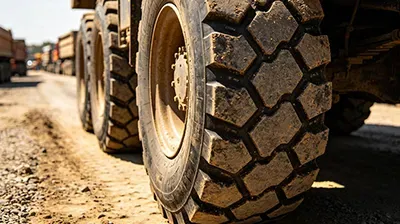
其次,胎面花纹块的大小与分布对压力分布的均匀性有重要影响。采用大尺寸连续花纹块的轮胎,其与地面的接触面积更大,能促使压力更均匀地分布,从而避免因局部应力过大而导致胎面区域快速磨损。
这种设计在商用卡车轮胎中颇为常见。尽管不对称花纹(常见于乘用车轮胎)在静音性和抓地力方面具有优势,但其相对较小的花纹块可能导致某些区域磨损显著加快,尤其是在粗糙路面上长时间使用时。
此外,胎面花纹的排水设计间接影响着耐磨性能。排水不畅会导致轮胎与路面之间产生“水滑效应”,增大异常摩擦,加速胎面磨损。
Tread pattern design also significantly impacts wear resistance. A well-designed tread structure effectively disperses frictional pressure and slows down wear. Firstly, tread depth is a key indicator; deeper tread grooves provide a longer "wear allowance," especially on rough roads, where deeper treads reduce direct wear from sharp road particles.
Secondly, the size and distribution of tread blocks affect the uniformity of stress distribution. Tires with large, continuous tread blocks have a larger contact area with the ground, resulting in more even pressure distribution and preventing rapid wear of localized tread areas due to excessive stress.
This design is common in commercial truck tires. While asymmetrical tread patterns, commonly used in passenger cars, offer advantages in quietness and grip, the relatively small tread blocks can lead to significantly faster wear in certain areas, especially under prolonged use on rough roads.
Furthermore, the drainage design of the tread grooves indirectly affects wear resistance. Poor drainage can cause a "hydroplaning effect" between the tire and the road surface, increasing abnormal friction and accelerating tread wear.

除了轮胎本身的因素外,驾驶习惯是影响耐磨性的关键“后天变量”。许多驾驶员的不良驾驶行为会显著缩短轮胎寿命。首先,胎压异常是导致轮胎磨损不均的主要原因。
轮胎气压过高或过低都会导致磨损不均。当胎压过高时,轮胎胎面与地面的接触面积减小,压力集中在中心部位,从而引发“中央磨损”。
当轮胎气压过低时,胎面与地面的接触面积增大,轮胎更容易发生变形,导致“偏磨”。同时,低气压还会增加滚动阻力,加剧轮胎与地面之间的摩擦。
其次,激进驾驶行为,如频繁的急加速、急刹车和急转弯,会对轮胎产生瞬时高强度摩擦。急加速增加了轮胎与地面间的滑动摩擦;急刹车则导致轮胎局部胎面温度迅速升高,引发橡胶老化硬化。而急转弯则将力量集中于轮胎外侧,造成“单边磨损”。
此外,长期超载是轮胎的“隐形杀手”。超载会使轮胎承受远超设计标准的负荷,导致胎面橡胶过度压缩,加速磨损,甚至可能损伤轮胎结构,增加爆胎风险。
道路状况,作为轮胎使用的“外部客观条件”,对轮胎的耐磨性同样有着重要影响。不同路况在摩擦系数、平整度及杂质含量上差异显著,直接决定了轮胎的磨损速度。
在铺装良好的城市道路上行驶时,路面平整,摩擦系数适中,轮胎磨损相对较慢。然而,在乡间砂石路或施工区域等粗糙路面上行驶时,路面布满尖锐的砂石和碎石。这些杂质如同“砂纸”般,不断磨擦轮胎胎面,导致橡胶颗粒脱落。此外,尖锐物体还可能刺入胎面花纹沟槽,引发裂纹,进一步加速磨损。
此外,长时间在潮湿或积水路面上行驶,由于水膜的存在,会降低轮胎与路面间的摩擦系数。为了保持牵引力,轮胎需增大滑动摩擦以确保稳定性,这间接加剧了胎面磨损。在结冰或积雪路面上,摩擦系数极低,车辆容易打滑。驾驶员频繁刹车以控制车辆,这进一步增加了轮胎与路面之间的摩擦。同时,冰雪中的杂质也会对轮胎胎面造成磨损。
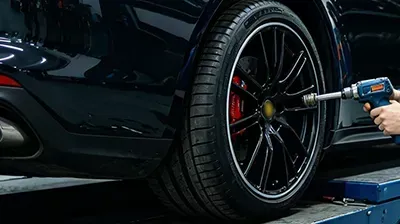
最后,日常维护对于延长轮胎寿命至关重要。适当的保养能有效减缓磨损。定期检查轮胎是必不可少的。车主应每月检查胎压,确保其符合车辆手册的规定。同时,还需观察轮胎花纹的磨损情况。若发现磨损不均(如单边磨损、中央磨损),则需进行专业的四轮定位或动平衡调整。
四轮定位不准确会导致轮胎偏向一侧行驶,造成胎面单侧过度磨损。而动态平衡失衡则会在轮胎高速旋转时引起振动,加剧轮胎与路面之间的异常摩擦。
Road conditions, as an "external objective condition" for tire use, also have a significant impact on tire wear resistance. Different road conditions vary greatly in their coefficient of friction, smoothness, and impurity content, directly determining the tire wear rate.
When driving on paved urban roads, the surface is smooth and the coefficient of friction is moderate, resulting in relatively slow tire wear. However, when driving on rough roads such as rural gravel roads or construction zones, the surface is covered with sharp gravel and pebbles. These impurities act like "sandpaper," repeatedly rubbing against the tire tread, causing rubber particles to fall off. Furthermore, sharp objects may pierce the tread grooves, leading to cracking and further accelerating wear.
Furthermore, prolonged driving on wet or flooded roads reduces the coefficient of friction between the tires and the road surface due to the water film. To maintain traction, the tires need to increase sliding friction to ensure stability, indirectly increasing tread wear. On icy or snowy roads, the coefficient of friction is extremely low, making the vehicle prone to skidding. Drivers frequently brake to control the vehicle, further increasing friction between the tires and the road surface. Additionally, impurities in the ice and snow also cause wear on the tire tread.
Finally, routine maintenance is crucial for extending tire lifespan. Proper care effectively slows down wear. Regular tire checks are essential. Owners should check tire pressure monthly to ensure it meets the vehicle's manual specifications. They should also observe tread wear. If uneven wear is found (e.g., one-sided wear, central wear), a professional four-wheel alignment or dynamic balancing adjustment is necessary.
A misaligned four-wheel alignment can cause tires to pull to one side, leading to excessive wear on one side of the tread. An unbalanced dynamic balance can cause vibrations when the tire rotates at high speeds, increasing abnormal friction between the tire and the road surface.

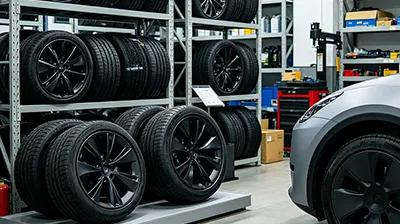
此外,定期对调轮胎能有效延长其使用寿命。通常建议每行驶5,000至8,000公里进行一次前后轮胎对调。这是因为前后轴的负荷不同(通常前轴比后轴承受更多重量),导致前后轮胎的磨损程度有所差异。
定期进行轮胎换位有助于实现更均匀的胎面磨损。同时,应避免长时间将车辆停放在布满尖锐物体或潮湿的环境中,以防外部因素导致轮胎胎面橡胶过早老化或受损。
轮胎耐磨性是轮胎自身特性与外部使用条件共同作用的结果。在选择轮胎时,应根据您的驾驶场景(如主要路况和驾驶习惯)挑选胶料配方和花纹设计适宜的轮胎。
在使用过程中,保持良好的驾驶习惯,定期检查与维护。
Tire wear resistance is the result of the combined effects of the tire's inherent characteristics and external usage conditions. When choosing tires, select tires with a suitable compound and tread pattern based on your driving scenarios (such as primary road conditions and driving habits).
During use, maintaining good driving habits, regularly checking and maintaining 轮胎,并且尽可能避开恶劣路况,将有助于最大化轮胎的耐磨性,从而降低运营成本,并为驾驶安全提供可靠保障。