偏压轮胎:对比与未来展望
斜交轮胎(又称偏线轮胎或传统轮胎)是轮胎发展史上的重要类别。其核心特征在于胎体帘布层与缓冲层的相邻帘线呈斜向交叉排列,与胎面中心线形成小于90°(通常为35°-55°)的夹角。
这种经典结构在轮胎市场中长期占据主导地位,即便是在子午线轮胎成为主流的今天,它在特定领域依然扮演着不可替代的角色。
This classic structure dominated the tire market for a long time, and even now, with radial tires becoming the mainstream, it still plays an irreplaceable role in specific areas.

从结构上看,斜交轮胎主要由四个核心部分组成:胎面、胎体帘布层、缓冲层和胎圈。胎面作为直接接触地面的表层,可分为胎冠、胎肩和胎侧。胎冠采用耐磨橡胶并设计有防滑花纹,承担着摩擦、承载及减震功能。胎肩通过优化花纹设计,兼顾散热与防滑性能。胎侧虽较薄,却需承受扭转变形,以保护胎体帘布层不受损害。
帘布层是轮胎骨架的核心部分,由多层涂胶帘线粘合而成。其层数通常为偶数,以确保载荷均匀分布。早期的帘布层采用棉线材质,后逐渐被尼龙、聚酯纤维等高强度材料取代。在保持相同承载能力的前提下,减少帘布层数可降低滚动阻力,延长轮胎使用寿命。
缓冲层位于胎面与帘布层之间,由稀疏排列的帘线和弹性极高的橡胶制成,起到缓冲路面冲击的作用,并在紧急刹车时防止胎面与帘布层脱离。胎圈由钢丝圈、帘布层包边和胎圈包布组成,以高刚性和强度确保轮胎牢固地固定在轮辋上。
在性能方面,斜交轮胎的结构决定了其具有明显的优缺点。优点包括纵向刚度高、胎面和侧壁完整性好、承载能力突出,尤其是在低速重载条件下压力稳定性极佳,结构简单,制造成本低,且维护便捷性高。
然而,其缺点同样显著:由于帘线交叉排列,高速行驶时层间摩擦剧烈,导致发热且耐热性差;接地印痕不稳定造成抓地力不足;胎面受力不均限制了耐磨性和使用寿命;加之胎侧刚度高,乘坐舒适性不佳,因此不适合高速驾驶。
The buffer layer, located between the tread and the ply layer, is made of sparsely spaced cords and highly elastic rubber. It cushions road impacts and prevents the tread from separating from the ply layer during emergency braking. The bead consists of a steel wire ring, ply layer edging, and bead wrapping, securing the tire firmly to the rim with high rigidity and strength.
In terms of performance, the structure of bias-ply tires determines their distinct advantages and disadvantages. Advantages include high longitudinal rigidity, good tread and sidewall integrity, outstanding load-bearing capacity, especially stable pressure resistance under low-speed, heavy-load conditions, simple structure, low manufacturing cost, and high ease of maintenance.
However, its shortcomings are equally significant: due to the cross-arrangement of the cords, the interlayer friction is intense at high speeds, leading to heat generation and poor heat resistance; the unstable contact patch results in insufficient grip; uneven stress on the tread limits its wear resistance and lifespan; and the high sidewall stiffness results in poor riding comfort, making it unsuitable for high-speed driving.

相较于现代主流子午线轮胎,其核心差异在于结构设计与性能表现。子午线轮胎采用径向排列的帘线(与胎面中心线呈90°角),并在胎冠部分设有独立的钢丝带束层,从而将胎冠与胎侧分离开来。
因此,它们具备接触面积大、滚动阻力小、耐磨性高以及燃油经济性佳等优点,但胎侧较为脆弱,导致横向稳定性稍逊。相比之下,斜交轮胎的特点是胎体整体刚性强,胎侧坚固,使其更能适应复杂路况下的冲击负荷;然而,其综合性能已被子午线轮胎超越。
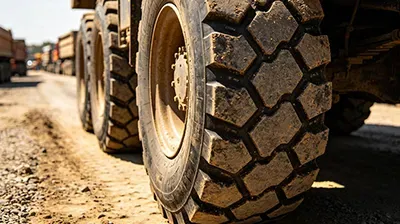
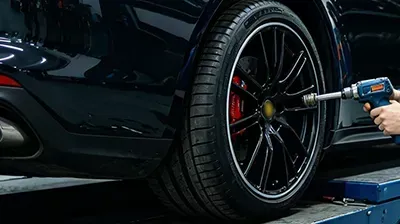
这一差异直接导致了应用场景的分化:子午线轮胎广泛应用于乘用车和高速商用车辆,而斜交轮胎则仅存于低速重型卡车、工程机械及农业机械领域——这些领域对高速性能要求较低,而对承载能力和抗冲击性有更高要求。
从行业发展的角度来看,斜交轮胎起源于19世纪末,于20世纪初成为汽车的主流轮胎类型,并在20世纪中叶因合成橡胶和高强度帘线材料的应用而实现了性能上的显著提升,迎来了发展的黄金时期。
This difference directly leads to a divergence in application scenarios: radial tires are widely used in passenger cars and high-speed commercial vehicles, while bias-ply tires remain only in low-speed heavy trucks, construction machinery, and agricultural machinery—fields with lower requirements for high-speed performance but higher requirements for load-bearing capacity and impact resistance.
From an industry development perspective, bias-ply tires originated in the late 19th century, became the mainstream tire type for automobiles in the early 20th century, and saw significant performance improvements in the mid-20th century with the application of synthetic rubber and high-strength cord materials, ushering in a golden age of development.

然而,自子午线轮胎问世以来,它们的市场份额逐渐缩小,现已退出主流乘用车市场,仅在特定的工农业领域保持需求。尽管如此,技术迭代的脚步并未停歇。
现代斜交轮胎
Modern bias-ply 轮胎,通过材料改进(如采用新型合成橡胶)及工艺优化,在承载效率与耐老化性能方面持续提升,以满足专业场景的特殊需求。