汽车轴承:功能与保养
驾驶时,你可能只关注发动机的动力和方向盘操控的便利性,却很少考虑藏在汽车内部的无名英雄:轴承。称它们为汽车的“关节”并不过分:我们手臂的灵活运动依赖于关节,而汽车车轮轴的运转和发动机曲轴的高速旋转也都依靠轴承来实现连接与运转。
它们的能力非常强大:将高摩擦的“滑动”运动转化为低摩擦的“滚动”运动。这不仅使部件能够更顺畅地旋转,还能支撑车辆的重量(例如,车轮支撑整个车辆)以及转弯时的侧向力。无论是发动机、变速箱、车轮还是转向系统,只要有旋转的地方,就会有轴承。轴承出现问题可能导致汽车无法转向,或者变得不稳定并产生噪音,从而影响安全性。
Their abilities are substantial: they transform high-friction "sliding" motion into low-friction "rolling" motion. This not only allows parts to rotate more smoothly, but also supports the vehicle's weight (for example, the wheels support the entire vehicle) and the lateral forces of cornering. Whether it's the engine, transmission, wheels, or steering system—wherever there's rotation, there are bearings. A bearing problem can mean the car will either stop turning or become shaky and noisy, compromising safety.
轴承还根据“工作类型”进行分类,不同的职位执行不同的任务。
轴承并不是万能的。就像工厂里不同岗位的工人有不同的职责一样,汽车中的轴承也根据其具体的工作需求进行分类。最常见的类型有滚动轴承和滑动轴承。大多数家用汽车使用滚动轴承,因为它们运转更平稳,精度更高。如果按照轴承的安装位置进行分类,你需要了解以下三种类型:
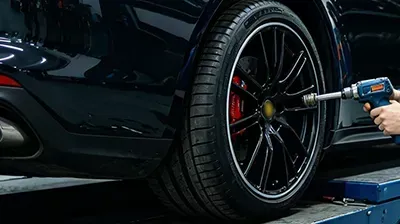
轮毂轴承:它们是车轮的忠实伙伴,既支撑着车辆的重量,又承受着转弯时的拉力。新款汽车的轮毂轴承现已升级,内置传感器可实时监测速度和温度,并向防抱死制动系统(ABS)和车身稳定系统(ESP)等安全系统发出信号。例如,当你紧急制动时,它们可以帮助实现防抱死制动,从而提供更高的稳定性。
Wheel hub bearings: These are the wheel's loyal companions, supporting the weight of the vehicle while also withstanding the pull of cornering. The wheel hub bearings in newer cars are now upgraded with built-in sensors that monitor speed and temperature in real time, alerting safety systems like ABS and ESP. For example, when you brake suddenly, they can help with anti-lock braking, ensuring greater stability.

发动机轴承:发动机的温度和压力都很高,因此轴承必须能够承受高温和高压。例如,曲轴轴承每分钟旋转数千转,依靠机油形成的油膜来减少磨损。现代汽车的轴承上还带有陶瓷涂层,以增强其耐磨性和耐热性。
齿轮箱轴承:齿轮箱用于换挡和传递动力,而轴承则帮助齿轮平稳旋转。如果轴承出现故障,换挡可能会变得顿挫甚至无法挂入档位。
随着新能源汽车和轻量化汽车的普及,轴承也在进行升级。
新能源汽车正变得越来越流行,随着车身变得更轻,轴承也在不断升级以适应需求。
新能源汽车中的电机转速极高,可达每分钟15000至20000转,远超传统发动机。普通轴承根本无法承受这样的速度。因此,制造商开发出了“陶瓷轴承”——由氮化硅陶瓷制成,重量不到钢的一半。这不仅降低了离心力和磨损,还能防止电机电流引起的“腐蚀”,使其极为耐用。
为了使汽车更轻盈且更节油(或节能),轴承也在实现“轻量化”:采用铝合金制造轴承座,用碳纤维制造保持架,使其比传统钢制部件轻30%以上,从而提升汽车的效率。
“智能轴承”也已面世。它们内置温度和振动传感器,就像为轴承装上了“温度计”和“振动监测器”。如果轴承出现磨损或异常振动,它会向车辆电脑发送警报,提醒您及时维修,从而避免半路发生故障——例如车轮突然卡死,这种情况可能极其危险。
注意日常汽车保养,以延长轴承的使用寿命。
为尽量减少轴承问题,请在驾驶和维护过程中注意以下几点:
避免突然加速和刹车:这会使轴承承受突然且过大的力量,导致磨损。
定期检查轮毂轴承:雨水和在恶劣路面上行驶容易导致泥沙进入轴承,损坏润滑脂。通常情况下,轮毂轴承润滑脂应每8万至10万公里更换一次。
"Smart bearings" are also available. They have built-in temperature and vibration sensors, acting like a "thermometer" and "vibration monitor" for the bearings. If a bearing wears or vibrates abnormally, it will send an alert to the vehicle's computer, reminding you it's time for repairs, thus preventing mid-road failures—such as a wheel suddenly seizing, which could be extremely dangerous.
Pay attention to daily car maintenance to extend the life of your bearings.
To minimize bearing problems, pay attention to the following points during driving and maintenance:
Avoid sudden acceleration and braking: This exposes the bearings to sudden and excessive forces, causing wear.
Check the wheel hub bearings regularly: Rain and driving on bad roads can easily cause mud and sand to enter the bearings, damaging the grease. Generally, wheel hub bearing grease should be changed every 80,000-100,000 kilometers.

不要随意更换机油:发动机轴承依靠机油润滑。使用劣质机油会导致杂质磨损轴承。机油添加过少会使轴承缺乏润滑而容易烧毁。
请注意这些迹象:如果在驾驶时听到车轮发出嗡嗡声,或者方向盘变重、车身无故抖动,可能是轴承问题。请立即前往维修店检查,不要拖延。
Be alert to these signs: If you hear a buzzing sound from the wheels while driving, or if the steering becomes heavy or the car body shakes unexplained, it's likely a bearing problem. Visit a repair shop immediately to get it checked out; don't delay.