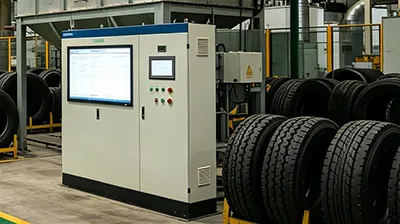
全钢子午线轮胎的优势
从结构设计的角度来看,全钢子午线轮胎的核心优势源于全钢胎体与子午线布局的完美结合。相较于传统的斜交轮胎,其胎体帘线呈径向排列(即垂直于轮胎周向),并在胎面下方紧密包裹着一层全钢带束层。这一结构如同轮胎的“钢筋铁骨”,赋予其卓越的支撑性能。
一方面,全钢带束层能够将胎面压力均匀分布至整个接地印痕,避免局部应力集中,从而显著提升了轮胎的承载能力。以重型卡车常用的12R22.5全钢子午线轮胎为例,单胎最大承载可达3000公斤以上,足以满足多轴货车的高载重需求。此外,即使在长期满载状态下,其胎体也不易发生形变与鼓包现象,为货运行业的“高载重、高速化”运营提供了结构支撑。
此外,径向排列的轮胎帘线减少了滚动过程中的摩擦和变形,显著降低了轮胎的滚动阻力。这不仅减少了车辆的动力损失,还避免了因过热导致的轮胎老化,从而延长了其使用寿命。
Furthermore, the radially arranged tire cord reduces friction and deformation during rolling, significantly lowering the tire's rolling resistance. This not only reduces vehicle power loss but also prevents tire aging due to excessive heat, extending its service life.

在实际使用中,全钢子午线轮胎的耐磨性是其最受认可的优点之一。商用车通常每年行驶超过10万公里,部分长途货运车辆甚至达到20万公里,这对轮胎的耐磨性能提出了极高要求。
胎面
The tread of 全钢子午线轮胎通常采用高耐磨橡胶配方,结合全钢带束层的刚性支撑,确保与地面的稳定接触并防止局部过度磨损。
数据显示,高品质的全钢子午线轮胎耐磨行驶里程可达8万至12万公里。部分针对恶劣路况(如矿山、建筑工地)设计的加强型轮胎,其耐磨行驶里程更是超过15万公里。相较于传统斜交轮胎3万至5万公里的使用寿命,全钢子午线轮胎大大降低了轮胎更换频率,从而降低了运营成本。
全钢子午线轮胎在安全性方面的表现是其另一大优势,尤其是在高速行驶和复杂路况下的商用车驾驶场景中。首先,全钢带束层的高强度使得轮胎在遭受外部冲击(如石块撞击、坑洼)时,不易出现胎面裂痕和胎体爆裂,有效降低了事故风险。
其次,径向结构提供了最佳的侧壁刚性——它具备一定的弹性以吸收路面震动,同时保持侧壁稳定性,减少转弯和刹车时的侧壁变形,从而提升驾驶稳定性。
此外,全钢子午线轮胎的胎面花纹设计注重排水与抓地性能。在雨雪湿滑路面上,花纹能迅速排开积水,防止水滑现象;而在干燥路面上,胎面与地面接触面积更大,提供更强的抓地力,有效缩短刹车距离。以公交车为例,在时速80公里的情况下,装配全钢子午线轮胎的车辆相较于普通轮胎,刹车距离可缩短3-5米,为乘客安全提供了重要保障。
Second, the radial construction provides optimal sidewall rigidity—it provides a certain degree of elasticity to absorb road vibration while maintaining sidewall stability, minimizing sidewall deformation during cornering and braking, and improving driving stability.
Furthermore, the tread pattern design of all-steel radial tires prioritizes drainage and grip. In rainy and slippery conditions, the tread pattern quickly drains away accumulated water, preventing hydroplaning. On dry roads, the tread provides a larger contact area with the ground, providing enhanced grip and shortening braking distances. Taking buses as an example, vehicles equipped with all-steel radial tires can reduce braking distance by 3-5 meters at 80 km/h compared to conventional tires, providing a crucial safeguard for passenger safety.

从经济角度来看,全钢子午线轮胎的成本效益不仅体现在其长久的使用寿命上,还在于燃油经济性和维护成本方面。如前所述,子午线结构降低了轮胎的滚动阻力,而滚动阻力每减少10%,车辆油耗便能降低1.5%至2%。
对于一辆年均行驶10万公里、百公里油耗30升的重型卡车而言,配备全钢子午线轮胎每年可节省约450至600升燃油。按当前柴油价格计算,这意味着每年可减少3000至4000元的燃油费用。
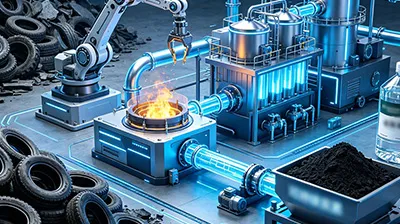
此外,全钢子午线轮胎具备更强的抗刺穿和抗老化能力,日常维护中无需频繁修补或更换,从而减少了因轮胎问题导致的车辆停驶时间,提升了运营效率。同时,部分全钢子午线轮胎可进行翻新使用——只要胎体完好,更换新胎面后即可再次投入使用,这不仅进一步降低了轮胎采购成本,也符合绿色交通和循环经济的发展方向。
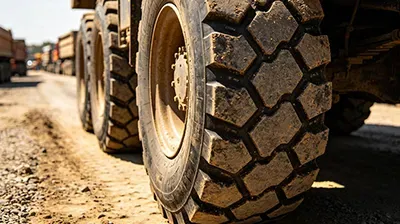
全钢子午线轮胎在特殊应用中也展现出显著的适应优势。针对矿山和建筑工地等恶劣路况,制造商推出了“加强型全钢子午线轮胎”。这类轮胎采用更厚的侧壁、加固的胎面橡胶以及增加的钢丝帘布层,以增强抗冲击和抗切割能力,即使在碎石崎岖的路面上也能保持稳定。
Furthermore, all-steel radial tires offer enhanced puncture and aging resistance, eliminating the need for frequent repairs or replacements during routine maintenance. This reduces vehicle downtime due to tire problems and improves operational efficiency. In addition, some all-steel radial tires are retreadable—if the tire carcass is intact, they can be used a second time by replacing the tread with a new one, further reducing tire procurement costs and aligning with the development of green transportation and a circular economy.
All-steel radial tires also offer significant adaptability advantages in specialized applications. For harsh road conditions like those found in mines and construction sites, manufacturers offer "reinforced all-steel radial tires." These tires feature thicker sidewalls, reinforced tread rubber, and increased steel wire plies to enhance impact and cut resistance, maintaining stability even on gravelly and bumpy roads.

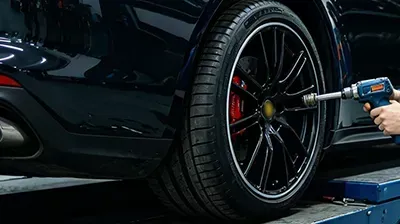
对于冷链运输车辆,采用低滚动阻力与低发热量的全钢子午线轮胎,能最大程度减少轮胎在低温环境下性能下降,保障运输稳定性。而针对乘用车辆,静音舒适型全钢子午线轮胎通过优化的胎体结构和橡胶配方,有效降低行驶噪音,提升乘坐体验。
For cold chain transport vehicles, all-steel radial tires with low rolling resistance and low heat generation minimize tire performance degradation in low-temperature environments, ensuring stable transportation. For passenger vehicles, quiet and comfortable all-steel radial tires utilize optimized carcass structure and rubber compound to reduce driving noise and enhance the passenger experience.